


x

Hızlı üretim ve esnek bitiş seçenekleriyle müze kalitesinde giclée veya kanvas baskı. ( El yapımı tablo satın al Görsel satın al)





























Eserin orijinal oranlarıyla uyumlu, önceden belirlenmiş boyutlarımız arasından seçim yapın.

Belirli bir çerçeveye veya alana uyması için kendi ölçülerinizi girebilirsiniz. Seçtiğiniz boyut orijinal görüntünün oranlarıyla eşleşmiyorsa, sanat eserini kırpacağız veya görüntüyü aynalanmış ya da düz dolgulu bir kenarlıkla genişleteceğiz. Üretim başlamadan önce onayınız için bir dijital taslak gönderilecektir.
Lütfen ekrandaki önizlemenin gerçek kırpma veya genişletmeyi yansıtmadığını unutmayın. Nihai kompozisyonu yalnızca taslak doğru bir şekilde gösterecektir.
Özel boyutlar mevcut olsa da, orijinal oranları korumak için önceden tanımlanmış listeden bir boyut seçmenizi öneririz.
Dünya Çapında Teslimat (); standart 4/5 hafta yerine 2 haftada. (18 Ağustos)


untitled (5971)
Reproduksiyon Boyutu
Edvard Munch's "Untitled (5971)," a watercolor and gouache landscape, isn’t merely a depiction of a rural scene; it’s a visceral plunge into the artist’s own turbulent psyche. Painted in 1893, during a period of intense personal struggle and burgeoning artistic experimentation, this work embodies the core tenets of Expressionism – a movement that sought to convey subjective emotions rather than objective reality. The piece immediately commands attention with its arresting palette: a dominant wash of deep blues and purples, punctuated by the stark crimson of a solitary building nestled amongst the pines. These colors aren’t chosen casually; they evoke a profound sense of isolation, twilight, and perhaps even impending doom – mirroring the emotional landscape Munch himself navigated so acutely.
While firmly rooted in the stylistic conventions of impressionism—noticeable in the loose brushstrokes, the emphasis on atmospheric perspective, and the blurring of sharp edges—"Untitled (5971)" transcends simple imitation. Munch deliberately distorts forms, flattening depth and simplifying shapes to amplify their emotional resonance. The trees aren’t rendered with meticulous detail; instead, they are suggested through undulating lines that seem to writhe with an unseen energy. The small building, a beacon of warmth against the cool backdrop, is similarly stylized, its red roof almost aggressively vibrant – a symbol perhaps of fleeting hope or the last vestiges of comfort in a world consumed by melancholy. The tilted composition itself contributes to this sense of unease, drawing the viewer’s eye into the scene and subtly unsettling their perception.
Understanding Edvard Munch requires acknowledging the profound impact of his life experiences. Born in 1863 amidst a family plagued by illness, premature death, and mental instability, Munch’s art is inextricably linked to his personal demons. His mother died when he was five, followed by his sister Johanne Sophie just two years later – both victims of tuberculosis. These early losses instilled within him a lifelong preoccupation with mortality, disease, and the fragility of human existence. The painting's somber mood and unsettling imagery are not accidental; they’re direct reflections of Munch’s own internal struggles. The recurring motif of sickness—evident in the muted colors and hazy atmosphere—underscores this deeply personal theme.
Beyond its immediate visual impact, “Untitled (5971)” is rich with symbolic potential. The solitary building could represent a refuge, a sanctuary from the encroaching darkness, or perhaps simply a reminder of lost connections. The pine trees, traditionally associated with mourning and remembrance, further reinforce this sense of sorrow. Many art historians believe that the painting alludes to Munch’s famous “The Scream,” capturing a similar feeling of existential dread and isolation. While not a direct copy, "Untitled (5971)" shares a core emotional intensity – a silent scream echoing through the landscape. The work invites contemplation on themes of loneliness, loss, and the human condition, offering a poignant glimpse into the artist’s troubled soul.
This evocative piece is more than just a painting; it's an invitation to confront the darker aspects of our own experience. Reproductions capture much of the original’s power, allowing viewers to bring this profound work into their homes and spaces – a testament to Munch’s enduring legacy as one of art history’s most emotionally resonant figures.
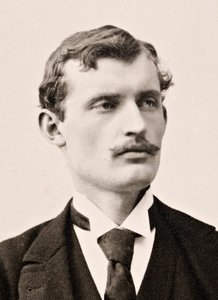
1863 - 1944 , İsveç

Explore the profound history and technical mastery of watercolor painting. From medieval manuscripts to the luminous works of John Singer Sargent, discover how artists capture light and transparency through this delicate, enduring medium.


En son sanat haberlerinden, özel tekliflerden ve dekorasyon fikirlerinden haberdar olun.
Projenizden bize bahsedin; sanat uzmanlarımız size özel 3 sanat eseri önerisi sunsun.
Size Özel 3 Seçeneği Ücretsiz Olarak Hazırlayalım!


 Önizleme yap
 Paylaş
 Paylaş
 Detayları Gör

 İndir
İndir
 Benzerlerini gör
 X-Işını
 Slayt Gösterisi

 Tümünü Gör







 Cam seçeneği yalnızca 110 cm altındaki boyutlar için mevcuttur.


