x

 Tuval Üzerine Yağlı BoyaDuvar SanatıMannerism
 1577Erken Modern Dönem
 191.0 x 152.0 cm
Hızlı üretim ve esnek bitiş seçenekleriyle müze kalitesinde giclée veya kanvas baskı. ( El yapımı tablo satın al Görsel satın al)





























Eserin orijinal oranlarıyla uyumlu, önceden belirlenmiş boyutlarımız arasından seçim yapın.

Belirli bir çerçeveye veya alana uyması için kendi ölçülerinizi girebilirsiniz. Seçtiğiniz boyut orijinal görüntünün oranlarıyla eşleşmiyorsa, sanat eserini kırpacağız veya görüntüyü aynalanmış ya da düz dolgulu bir kenarlıkla genişleteceğiz. Üretim başlamadan önce onayınız için bir dijital taslak gönderilecektir.
Lütfen ekrandaki önizlemenin gerçek kırpma veya genişletmeyi yansıtmadığını unutmayın. Nihai kompozisyonu yalnızca taslak doğru bir şekilde gösterecektir.
Özel boyutlar mevcut olsa da, orijinal oranları korumak için önceden tanımlanmış listeden bir boyut seçmenizi öneririz.
Dünya Çapında Teslimat (); standart 4/5 hafta yerine 2 haftada. (21 Ağustos)


Saint Sebastian
Reproduksiyon Boyutu
El Greco's "St. Sebastian," painted in 1577 during his pivotal years in Toledo, isn't merely a depiction of martyrdom; it’s a profound meditation on suffering, faith, and the enduring power of grace. This work, born from the turbulent religious landscape of the Counter-Reformation, showcases El Greco’s mastery of Mannerism – a style characterized by elongated forms, dramatic lighting, and intense emotional expression. The painting immediately captivates with its raw intensity, drawing the viewer into the saint's agonizing experience and prompting contemplation on themes of sacrifice and spiritual resilience.
El Greco’s technical brilliance is evident in every brushstroke. He employs a loose, expressive technique, layering oil paints to create rich textures and luminous skin tones – a departure from the smoother surfaces favored by his Venetian contemporaries like Titian. The elongated figure of Saint Sebastian, a signature element of El Greco's style, isn’t simply an aesthetic choice; it serves to amplify the sense of vulnerability and otherworldly suffering. Note how the artist subtly implies the arrows piercing the saint’s flesh rather than depicting them graphically, focusing instead on the emotional impact of the wound. The dramatic use of chiaroscuro – the stark contrast between light and shadow – is particularly masterful, sculpting the figure's body and intensifying his anguished expression, directing our gaze to the core of his torment.
Saint Sebastian’s story resonated deeply during the 16th century. He was a Roman soldier martyred for his Christian faith in the 3rd century AD, and became a popular saint invoked as a protector against disease – particularly plague – due to the association of arrows with pestilence. El Greco's relocation to Toledo in 1577 proved transformative. The city’s vibrant spiritual atmosphere, coupled with its rich artistic tradition, fueled his creative output, allowing him to refine and develop his unique style. This painting reflects the fervent religious climate of the Counter-Reformation, offering a potent visual testament to faith's unwavering strength even in the face of unimaginable suffering.
Beyond the literal depiction of Sebastian’s martyrdom, the painting is laden with symbolism. The saint’s upward gaze – a gesture of profound vulnerability – suggests a desperate plea for divine intervention or acceptance of his fate. The desolate landscape, rendered in muted earth tones, evokes a sense of isolation and spiritual wilderness, mirroring the saint's internal struggle. The composition itself—a diagonal thrust of the figure against a static background—creates a dynamic tension that further emphasizes Sebastian’s plight. It is a scene not just of physical pain, but of profound psychological and spiritual torment – a timeless representation of human vulnerability before the divine.
El Greco's "St. Sebastian" transcends its historical context to offer a powerful meditation on faith, suffering, and redemption. A hand-painted reproduction of this iconic artwork would be a stunning addition to any collection, bringing a touch of dramatic intensity and spiritual depth to your home or office. Its evocative imagery and masterful technique make it an ideal piece for those seeking inspiration or planning a sophisticated interior design project – a testament to the enduring legacy of one of art history’s most visionary figures.

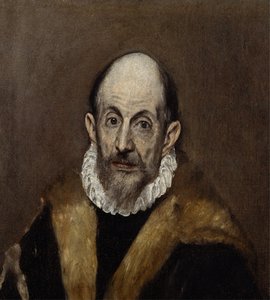
1541 - 1614 , Girit

Explore the dramatic evolution of Mannerism from High Renaissance perfection to El Greco's spiritual intensity. Discover the history, techniques, and enduring legacy of this transformative era through an expert art-history lens.

Explore the profound drama of Spanish Baroque art. Delve into the mastery of light, shadow, and realism through the legendary works of Diego Velázquez and the Spanish Golden Age with our expert-led historical guide.


En son sanat haberlerinden, özel tekliflerden ve dekorasyon fikirlerinden haberdar olun.
Projenizden bize bahsedin; sanat uzmanlarımız size özel 3 sanat eseri önerisi sunsun.
Size Özel 3 Seçeneği Ücretsiz Olarak Hazırlayalım!


 Önizleme yap
 Paylaş
 Paylaş
 Detayları Gör

 İndir
İndir
 Benzerlerini gör
 X-Işını
 Slayt Gösterisi
 Tümünü Gör







 Cam seçeneği yalnızca 110 cm altındaki boyutlar için mevcuttur.