Sanatınızı Satın
İstek Listesi Alışveriş Sepeti Cart
Önizleme yapÖnizleme yap AR ile önizleAR ile önizle Baskı satın al Baskı satın alEl yapımı tablo satın al El yapımı tablo satın al PaylaşPaylaş
Detayları GörDetayları Gör Favorilere ekle Favorilere ekle İndirİndir Benzerlerini görBenzerlerini gör X-IşınıX-Işını Slayt GösterisiSlayt Gösterisi

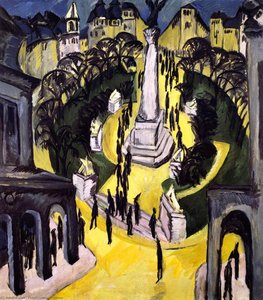
Rotes Eilsabethufer, Berlin

Experience Ernst Ludwig Kirchner's 'Rotes Elisabethufer,' a vibrant Expressionist cityscape capturing Berlin’s energy with bold colors and dynamic brushstrokes. A masterpiece of urban life.

Ernst Ludwig Kirchner (1880-1938): Alman Ekspresyonizminin önde gelen ismi ve Die Brücke grubunun kurucu üyesiydi. Şehrin atmosferini, insan figürünü çarpıcı renklerle ve duygusal ifadelerle yakalayan eserleriyle sanat tarihine geçti.

Çevrimiçi önizlemeden çok daha üstün, yüksek çözünürlüklü ve iyileştirilmiş bir dijital görüntü satın alın.

Her dosya, uzman ekibimiz tarafından gelişmiş araçlar ve titiz manuel rötuş teknikleri kullanılarak özenle hazırlanır. Her görüntünün olağanüstü netliğe, kusursuz renk doğruluğuna ve ince ayrıntılara sahip olduğundan emin oluruz.

Son dosya; profesyonel, editoryal ve baskı süreçlerinde anında kullanıma uygun şekilde optimize edilerek 72 saat içinde e-posta yoluyla teslim edilir. Bu, seçkin tasarım stüdyoları, yayıncılar ve galerilerin güvendiği aynı kalite standartlarındadır.

Dijital Görsel

Kişisel sergileme, baskı ve yaratıcı projeleriniz için yüksek çözünürlüklü bir dosya indirin. (Baskı satın al Baskı satın alEl yapımı tablo satın al El yapımı tablo satın al)

Toplam Tutar

$ 24,90

Her Dijital Görüntü Siparişinde Dahil Olanlar

Uzman Dijital Teslimat, Garantili

Most-Famous-Paintings.com seçtiğinizde, sadece bir görsel edinmekle kalmaz; titizlikle hazırlanmış, profesyonelce iyileştirilmiş dijital bir sanat eserine sahip olur ve memnuniyet garantisiyle güvence altına alınırsınız. Siparişinizle birlikte otomatik olarak sunulan her şey şunlardır:

shipping_icon
Hızlı E-posta ile Teslimat

Yüksek çözünürlüklü dijital görüntü dosyanız, siparişinizin üzerinden en geç 72 saat geçmeden e-posta ile size gönderilecektir; hemen kullanıma hazırdır.

canvas_icon
Yapay Zeka İle İyileştirilmiş Dijital Dosya

Sanat eseriniz; maksimum detay, netlik ve renk doğruluğu sağlamak amacıyla gelişmiş yapay zeka araçları ve manuel düzenleme kullanılarak profesyonelce optimize edilmektedir.

insurance_icon
Ömür Boyu Ücretsiz Yeniden Gönderim

Dosyanızı yanlışlıkla mı sildiniz yoksa kayıp mı oldu? Endişelenmeyin; dosyanızı dilediğiniz zaman size ücretsiz olarak tekrar göndereceğiz.

tax_icon
Hiçbir Zaman İthalat Ücreti Ödemeyin

Sanat eserinizin tadını gümrük vergisi, harç veya teslimat ücreti ödemeden anında çıkarın; dijital indirmeler her zaman vergiden muaftır.

color_icon
Renk Doğruluğu Garantisi

Profesyonel araçlar ve renk yönetimi kullanarak dijital görselinizin orijinal renklere mümkün olduğunca yakın yansıtılmasını sağlıyoruz.

return_icon
60 Günlük Memnuniyet Garantisi

If you're not satisfied with your digital image, we'll revise it or refund 100% within 60 days - no questions asked.

guarantee_icon
100% Para İadesi Garantisi

Memnun kalmadınız mı? Dijital dosyanızı aldıktan sonraki 60 gün içinde, hiçbir soru sorulmaksızın tam iade alın.

discount_icon
Toplu Sipariş İndirimleri

Buy 3 images, save 10% - Buy 5, save 15% - Buy 10+, save 20%. Great for creative projects, galleries, and agencies.

Hızlı Bilgiler

  • Medium: Oil on canvas
  • Notable elements: Red bridge, castle
  • Title: Rotes Elisabethufer, Berlin
  • Year: 1912
  • Artistic style: Bold colors, distortion
  • Artist: Ernst Ludwig Kirchner
  • Location: Staatsgalerie, Munich

Sanat Bilgisi Testi

Her soru için yalnızca bir doğru cevap bulunmaktadır.

Soru 1:
What artistic movement is Ernst Ludwig Kirchner’s ‘Rotes Eilsabethufer, Berlin’ primarily associated with?
Soru 2:
The painting ‘Rotes Eilsabethufer, Berlin’ depicts a scene primarily featuring:
Soru 3:
What is the approximate year in which ‘Rotes Eilsabethufer, Berlin’ was created?
Soru 4:
Kirchner frequently used bold colors in his paintings. What does the dominant red color in ‘Rotes Eilsabethufer, Berlin’ likely symbolize?
Soru 5:
‘Rotes Eilsabethufer, Berlin’ is housed in which museum?

Koleksiyon Detayları

A City’s Pulse: Ernst Ludwig Kirchner's *Rotes Elisabethufer*

Ernst Ludwig Kirchner’s *Rotes Elisabethufer*, painted in 1912, isn’t merely a cityscape; it’s a visceral snapshot of early 20th-century Berlin – a city brimming with restless energy and the anxieties of modernity. This oil on canvas, measuring a substantial 101 x 113 cm, housed within the Staatsgalerie in Munich, captures a pivotal moment in Kirchner's artistic journey and the broader trajectory of German Expressionism. The painting immediately assaults the senses with its bold palette: fiery reds dominate the composition, particularly in the prominent bridge that arches dramatically across the river, while blues and greens provide a stark contrast, hinting at both the industrial grit and the fleeting beauty of the urban landscape.

Kirchner was a central figure in Die Brücke (The Bridge), a group of artists who deliberately rejected the academic traditions of their time. They sought to express raw emotion and subjective experience through distorted forms, jarring colors, and an unflinching portrayal of modern life. *Rotes Elisabethufer* embodies this ethos perfectly. The figures depicted – pedestrians strolling along the embankment, individuals clustered near the bridge – are not rendered with realistic detail but rather as fragmented shapes, imbued with a sense of urgency and alienation. Their postures suggest movement, yet there’s no clear direction or destination; they seem caught in the relentless current of urban existence.

Composition and the Language of Distortion

The composition itself is deliberately unsettling. Kirchner employs a dynamic, almost frenetic approach to perspective, creating a sense of depth that feels simultaneously inviting and disorienting. The bridge, rendered in intense red, acts as a visual anchor, drawing the eye into the heart of the scene. However, its exaggerated form and vibrant hue contribute to the overall feeling of unease. The castle-like building on the opposite bank isn’t a comforting landmark but rather a looming presence, adding to the painting's sense of claustrophobia and impending doom – a common theme in Kirchner’s work reflecting the anxieties of his time.

Kirchner’s masterful technique lies not in meticulous realism but in his ability to convey emotion through brushwork. Thick, impasto strokes create a palpable texture, emphasizing the physicality of the paint itself. The colors are applied with an almost violent energy, creating a sense of movement and dynamism. The distortion of forms – elongated figures, skewed angles, and exaggerated proportions – is not arbitrary; it’s a deliberate strategy to communicate the psychological state of the subjects, reflecting the emotional turmoil simmering beneath the surface of modern life.

Symbolism and the Soul of Berlin

*Rotes Elisabethufer* resonates with deeper symbolic meaning. The “Red Elisabeth Bridge,” as it's often referred to, was a significant landmark in Berlin, connecting the city’s burgeoning industrial district with its historic center. However, Kirchner transforms this familiar scene into something far more complex and unsettling. The bridge becomes a symbol of transition, of the collision between tradition and modernity, between past and future. The river itself can be interpreted as a metaphor for the flow of time, carrying both promise and peril.

Furthermore, the painting’s vibrant colors – particularly the dominant red – are often associated with passion, energy, and even danger. Kirchner uses this color to heighten the emotional intensity of the scene, conveying a sense of urgency and excitement while simultaneously hinting at underlying anxieties. The overall effect is one of profound psychological depth, inviting viewers to contemplate the complexities of urban life and the human condition.

A Legacy of Expression

*Rotes Elisabethufer* stands as a cornerstone of German Expressionism and a testament to Kirchner’s unique artistic vision. Its influence can be seen in the works of subsequent generations of artists, who continued to explore themes of alienation, anxiety, and social critique. The painting's raw emotional power and innovative use of color and form continue to resonate with audiences today, solidifying its place as a masterpiece of modern art. Reproductions of this iconic work offer a powerful window into the soul of Berlin at the dawn of the 20th century – a city grappling with rapid change and searching for meaning in an increasingly complex world.

Sanatçı Özgeçmişi

Ernst Ludwig Kirchner (1880-1938): A Life Forged in Expression

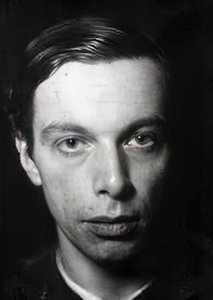
Ernst Ludwig Kirchner, a name inextricably linked to the visceral heart of German Expressionism, emerged from a period brimming with transformative upheaval—a genesis marked by displacement and fueled by an unwavering artistic conviction. His birth in Aschaffenburg, Bavaria, in 1880, initiated a journey profoundly shaped by familial circumstance and imbued with an early awareness of societal shifts. The landscapes of his formative years – dictated largely by his father’s profession as a paper scientist— instilled within him a sense of detachment that would become a recurring motif throughout his oeuvre, informing not only his subject matter but also the very essence of his artistic vision. From Frankfurt to Perlen, and ultimately settling in Chemnitz, Kirchner absorbed the anxieties inherent in Germany's accelerating modernization, immersing himself in an intellectual milieu characterized by fervent debate regarding artistic direction and social reform. Despite initial inclinations toward architecture at Königliche Technische Hochschule Dresden—a pursuit that provided him with foundational technical skills alongside exposure to humanist ideals—it was painting, driven by admiration for masters like Albrecht Dürer and a resolute rejection of academic formalism, that cemented his artistic path. He found kinship amongst fellow rebels – Fritz Bleyl, Karl Schmidt-Rottluff, Erich Heckel – forging bonds that irrevocably altered the trajectory of 20th-century art.

Early Life and Artistic Formation

Kirchner’s childhood was marked by frequent relocations due to his father's career demands, fostering a sensitivity to change and observation—qualities that would translate into meticulous detail in his paintings. He attended schools in Frankfurt and Perlen until securing the prestigious professorship at Chemnitz College of Technology, where he honed his artistic skills alongside kindred spirits who shared a radical worldview. This formative period witnessed the blossoming of his intellectual curiosity and cemented his commitment to exploring new artistic horizons—a pursuit that would culminate in his enrollment at Dresden’s Hochschule für Bildende Künste (Royal Academy of Fine Arts), where he studied architecture alongside fellow Expressionist pioneers. However, it was not architectural design alone that captivated him; rather, the intensive study of drawing and painting—particularly life drawing—provided him with invaluable techniques for capturing human form and emotion. His early artistic explorations were profoundly influenced by the works of Dürer and Rembrandt, whose mastery of etching and chiaroscuro served as models for Kirchner’s own printmaking endeavors. He recognized in these artists a kindred spirit—a dedication to portraying reality with uncompromising honesty and an unwavering belief in the transformative power of art.

Die Brücke: A Collective Pursuit of Expression

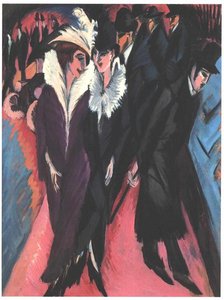
Kirchner's artistic trajectory took its decisive turn in 1905 when he joined *Die Brücke* (“The Bridge”), an avant-garde collective dedicated to forging a new aesthetic language—one that rejected the conventions of Impressionism and Academic painting. Alongside Bleyl, Schmidt-Rottluff, and Heckel, Kirchner established a studio in Dresden where they engaged in collaborative experimentation—a crucible for artistic innovation fueled by shared intellectual convictions. The group’s inspiration drew heavily from sources outside the mainstream art world—primitive art from Africa and Oceania; the bold chromatic palette of Vincent van Gogh; and Edvard Munch's haunting exploration of psychological anxieties. Rejecting idealized beauty, *Die Brücke* embraced distortion, jarring color combinations, and expressive brushwork to convey the pervasive sense of alienation and unease characterizing modern life. Kirchner’s early paintings—such as *The Street* (1908)—capture this atmosphere with remarkable acuity, depicting urban landscapes populated by figures rendered in fragmented forms and vibrant hues—a stylistic hallmark that distinguishes him from his contemporaries. The collective's ethos extended beyond mere artistic technique; it encompassed a broader philosophical stance—a rejection of bourgeois complacency and an embrace of spontaneity and emotional intensity.

Style and Technique: Exploring Psychological Depth

Kirchner’s distinctive artistic style is characterized by several key elements—most notably, his masterful manipulation of color and brushstroke. He eschewed the subtle gradations of Impressionistic painting in favor of bold, unmixed hues that heightened the expressive force of his compositions. His brushstrokes were energetic and visible, conveying a palpable sense of movement and dynamism—a technique he honed through extensive plein air studies and meticulous studio practice. Kirchner’s figures—often depicted nude or semi-nude—were rendered with unflinching realism but also subjected to distortion—a stylistic device that served to amplify emotional impact and convey psychological complexity. He employed techniques borrowed from Expressionist predecessors like Munch and Picasso, prioritizing subjective experience over objective representation. The influence of primitive art—particularly African sculpture—is evident in Kirchner’s sculptural works and informs his approach to form—a deliberate rejection of academic conventions in favor of a more primal aesthetic. His meticulous attention to detail—captured with charcoal and pastel—further underscores his commitment to portraying the human figure with uncompromising honesty.

Legacy and Recognition

Kirchner's artistic output spanned decades, culminating in a prolific oeuvre encompassing paintings, prints, sculptures, and decorative arts. Despite facing considerable opposition from conservative critics and institutions—particularly during the Nazi era—his work gained posthumous acclaim as a cornerstone of German Expressionism. In 1933, the Nazis deemed Kirchner’s art “degenerate”—a designation that resulted in the confiscation and destruction of numerous artworks—representing a devastating blow to his artistic career and personal life. Tragically afflicted by illness—likely schizophrenia—Kirchner retreated to Davos, Switzerland, where he continued to paint landscapes imbued with melancholic beauty. He succumbed to suicide on June 15, 1938, marking the end of a remarkable artistic journey. Nevertheless, Kirchner’s legacy persists as an enduring testament to the transformative power of art—a voice that continues to resonate across generations of artists and critics alike. His paintings—characterized by their uncompromising honesty and profound psychological depth—remain among the most iconic images of the Expressionist movement—solidifying his place as one of Germany's foremost artistic innovators.
  • Notable Works: *The Street*, *Nude Dancers*, *Five Women*, *Landscape with Figures*
  • Influences: Albrecht Dürer, Vincent van Gogh, Edvard Munch, Primitive Art (African & Oceanic)
Current Meta Description: Ernst Ludwig Kirchner (1880-1938): Key German Expressionist & Die Brücke co-founder. Explore bold, emotive paintings of urban life, nudes & landscapes. Current Meta Keywords: Ernst Ludwig Kirchner, Kirchner paintings, German Expressionism, Die Brücke, Expressionist art, Berlin street scenes, Woodcut prints, Modern German art, Nude figures, Kirchner artwork
Ernst Ludwig Kirchner

Ernst Ludwig Kirchner

1880 - 1938 , Almanya

Kısa Bilgiler

  • Artistic Movement Or Style: İkinci Dünya Savaşı Ekspresyonizmi
  • Artists Who Influenced This Artist:
    • Albrecht Dürer
    • Vincent van Gogh
    • Edvard Munch
  • Date Of Birth: 6 Mayıs 1880
  • Date Of Death: 15 Haziran 1938
  • Full Name: Ernst Ludwig Kirchner
  • Nationality: Alman
  • Notable Artworks:
    • Şehir Sokakları
    • Dansçı Üçlüsü
    • Kendinden Portresi
  • Place Of Birth: Aschaffenburg, Almanya