İstek Listesi Alışveriş Sepeti Cart
PreviewPreview Tabloyu Sipariş Et Tabloyu Sipariş EtGörseli Satın Al Görseli Satın Al PaylaşPaylaş
Detayları GörDetayları Gör Favorilere ekle Favorilere ekle İndirİndir Benzerlerini görBenzerlerini gör X-IşınıX-Işını Slayt GösterisiSlayt Gösterisi

Contrast of Forms

Contrast of Forms by Fernand Léger: This vibrant abstract painting utilizes bold reds, yellows, and blues to depict dynamic geometric shapes—circles, squares, triangles—reflecting the influence of industrial design and capturing the energy of the early 20th century.

Fernand Léger (1881-1955): Kübizm ve 'Tübizm'in öncüsü! Modern yaşamı, makineleri ve insan formunu kutlayan cesur resimler keşfedin – Pop Art'ın kilit bir habercisi.

Giclée / Sanat Baskısı

Hızlı üretim ve esnek bitiş seçenekleriyle müze kalitesinde giclée veya kanvas baskı.

P118B $10
P118H $10
P118W $10
P438Z $10
P508JH $12
P508YH $12
P805H $10
P805Z $10
P919BZ $10
P919G $10
P919XJ $10
P959ZH $10
P968JZ $12
W106C $8
W218G $10
W218JH $8
W218Y $10
W307PJ $10
W316G $10
W316PJ $8
W316Y $10
W398PJ $8
W4111J $10
W500HY $15
W500JH $15
W692G $12
W849H $8
W940BG $15
W953PJ $8

Standard
custom
CM
INCH

Eserin orijinal oranlarıyla uyumlu, önceden belirlenmiş boyutlarımız arasından seçim yapın.

genişlik
yükseklik

Belirli bir çerçeveye veya alana uyması için kendi ölçülerinizi girebilirsiniz. Seçtiğiniz boyut orijinal görüntünün oranlarıyla eşleşmiyorsa, sanat eserini kırpacağız veya görüntüyü aynalanmış ya da düz dolgulu bir kenarlıkla genişleteceğiz. Üretim başlamadan önce onayınız için bir dijital taslak gönderilecektir.
Lütfen ekrandaki önizlemenin gerçek kırpma veya genişletmeyi yansıtmadığını unutmayın. Nihai kompozisyonu yalnızca taslak doğru bir şekilde gösterecektir.
Özel boyutlar mevcut olsa da, orijinal oranları korumak için önceden tanımlanmış listeden bir boyut seçmenizi öneririz.

Dünya Çapında Teslimat (); standart 4/5 hafta yerine 2 haftada. (23 Temmuz)

why_choose_icon
Dünya Çapında Ücretsiz Ekspres Kargo
why_choose_icon
Yüksek Kaliteli Keten Tuval
why_choose_icon
Tam Kapsamlı Nakliye Sigortası
why_choose_icon
Gümrük Vergisi İade Garantisi
why_choose_icon
Gerçek Renk Uyumu Garantisi
why_choose_icon
60 Günlük İade Politikası (Sadece Kusurlu Ürünler İçin)
why_choose_icon
%100 Para İade Garantisi
why_choose_icon
Toplu Alım İndirimi

Toplam Fiyat

-

reproduction

Contrast of Forms

Giclée / Sanat Baskısı

Reproduksiyon Boyutu

-

Toplam Tutar

-

Hızlı Bilgiler

  • Influences: Georges Braque
  • Location: Private Collection
  • Artist: Fernand Léger
  • Subject or theme: Industrial Landscape
  • Artistic style: Abstract Expressionism
  • Year: 1918
  • Medium: Oil Paint

Sanat Bilgisi Testi

Her soru için yalnızca bir doğru cevap bulunmaktadır.

Soru 1:
What artistic movement is Fernand Léger primarily associated with?
Soru 2:
The painting prominently features geometric shapes like circles and squares. What does this symbolize in Léger's artistic vision?
Soru 3:
What color dominates the composition of Léger's artwork?
Soru 4:
Fernand Léger created this painting in what year?
Soru 5:
Léger’s style is characterized by its bold use of color and simplified forms. How does this approach reflect the cultural anxieties of the early 20th century?

Eser Açıklaması

A Symphony of Form and Color: Exploring Fernand Léger’s “Contrast of Forms”

The canvas breathes with an energy that transcends mere pigment; it pulsates with the rhythm of industrial progress, captured in the bold strokes and vibrant hues of Fernand Léger’s “Contrast of Forms,” painted in 1918. This monumental artwork isn't merely a depiction of shapes—it’s an assertion of their significance as conduits for conveying emotion and embodying the transformative forces reshaping European society at the dawn of the twentieth century. Léger, deeply influenced by Cubism’s fragmentation of perspective and its embrace of geometric abstraction, nevertheless refused to abandon entirely the tangible world he knew so intimately. He sought instead to synthesize these influences into a uniquely expressive style that would resonate with audiences grappling with anxieties about urbanization and technological advancement.

The Style: Geometric Abstraction Rooted in Observation

Léger’s distinctive approach can be characterized as geometric abstraction tempered by meticulous observation. Unlike many artists of his time who pursued pure abstraction, Léger painstakingly analyzed the forms found in factories and machines—the repetitive arcs of cranes, the angular planes of buildings, the rhythmic movement of pistons—translating these visual cues into simplified geometric shapes: circles, squares, triangles, rectangles. However, these shapes aren’t presented as sterile representations; they are imbued with color – predominantly reds, yellows, and blues – that convey a palpable sense of dynamism and excitement. The artist deliberately avoids blending colors smoothly, opting instead for juxtaposed hues that create visual tension and reinforce the artwork's underlying message about disruption and transformation.

Technique: Bold Brushstrokes and Layered Texture

The execution of “Contrast of Forms” exemplifies Léger’s masterful technique. He employed thick brushstrokes—often applied with a palette knife—to build up layers of textured paint, creating surfaces that appear to shimmer and vibrate with movement. This tactile quality is crucial to conveying the artwork's emotional impact; it invites viewers to engage physically with the painting, mirroring the physicality of industrial labor and stimulating their senses. Léger’s layering technique isn’t merely decorative; it serves a conceptual purpose—to represent the multifaceted nature of modernity itself, highlighting both its visual complexity and its underlying structural unity. The artist meticulously planned each brushstroke, ensuring that it contributed to the overall composition while simultaneously conveying a specific mood or feeling.

Historical Context: Embracing the Machine Age

“Contrast of Forms” emerged during a period of profound societal upheaval in Europe—the First World War had shattered illusions about progress and stability, accelerating urbanization and propelling industrialization at an unprecedented pace. Léger’s artwork reflects this turbulent climate by confronting viewers with images of machines and factories – symbols of both technological prowess and social alienation. The artist deliberately eschewed sentimental depictions of rural life, recognizing that the anxieties of his era demanded a new aesthetic vocabulary—one capable of capturing the unsettling beauty of the machine age. By presenting geometric shapes bathed in vibrant colors, Léger sought to articulate not only the visual characteristics of modernity but also its psychological consequences.

Symbolism: Red as Passion and Transformation

The dominant color palette – particularly the pervasive use of red – carries significant symbolic weight within “Contrast of Forms.” Traditionally associated with passion, energy, and revolution, red underscores Léger’s conviction that industrial progress represented a fundamental shift in human experience. The large red circle at the center of the painting symbolizes not merely visual dominance but also the transformative power of technology—its ability to reshape landscapes, cultures, and even consciousness itself. Léger's deliberate choice of color is therefore inseparable from his artistic vision: it’s an embodiment of the artwork’s core message about embracing change and confronting uncertainty with courage and conviction.

Emotional Impact: A Visionary Expression of Modern Anxiety

Ultimately, “Contrast of Forms” succeeds in conveying a powerful emotional response—a blend of exhilaration and apprehension that captures the spirit of its time. The artwork's dynamic composition and vibrant colors stimulate the senses, inviting viewers to contemplate the implications of industrialization for human existence. Léger’s bold brushstrokes and textured surfaces evoke a visceral connection with the materiality of the painting itself, mirroring the physicality of labor and stimulating contemplation about the relationship between humanity and technology. “Contrast of Forms” remains an enduring testament to Léger's artistic genius—a visionary expression of modern anxiety that continues to inspire audiences today.

Sanatçı Özgeçmişi

Sanatın Kalbinde Makine Çağı: Fernand Léger’in Hayatı ve Eserleri

Fernand Léger, Joseph Fernand Henri Léger olarak 4 Şubat 1881'de Normandiya kırsalının sakin kasabası Argentan’da doğdu. Çiftçilikle geçen çocukluğu, onu daha sonra Paris sanat sahnesinin kalbine taşıyacak olan bir tutkuyla resme yönelmesine zemin hazırladı. Mimarlık eğitimi almayı düşündüyse de, Léger'in sanata olan ilgisi onu başkentte, çizim tekniklerini öğrenirken ve kendini ifade etmenin yollarını ararken destek işleriyle geçinen bir sanatçıya dönüştürdü. Paul Cézanne’ın eserleriyle tanışması ise hayatının dönüm noktası oldu; bu karşılaşma, Léger'i geleneksel temsilden uzaklaştırarak formların temel yapılarını analiz etmeye ve onları tuvalde yeni bir ifade biçimiyle yeniden inşa etmeye teşvik etti. Bu dönem, sanatçı için sadece teknik bir gelişme değil, aynı zamanda modern dünyanın estetik anlayışını kökten değiştirecek bir uyanışı temsil ediyordu.

Tübism’in Doğuşu ve Altın Oran Grubu

1907'de Cézanne’ın retrospektifi, Léger’i geleneksel sanatsal kalıpların ötesine taşıdı. Formları parçalamaya, yapılarını anlamaya ve onları hacim ve sağlamlık vurgusuyla yeniden oluşturmaya başladı. Bu keşifler onu Kübizm’in içine çekti, ancak Léger, Picasso veya Braque'ın izlerini takip etmek yerine kendi özgün dilini geliştirdi. Eleştirmenlerin “Tübism” olarak adlandırdığı bu stil, silindirsel formlar, düzleştirilmiş yüzeyler ve cesur renk kontrastlarıyla makinelerin estetiğini henüz yaygın bir sanat akımı haline gelmeden önce kutladı. Sanatçı, endüstrileşen dünyayı gözlemleyerek işlevsel şekillerde ve mekanik ritimlerde güzellik buldu. Léger, bu dönemde Jean Metzinger, Henri Le Fauconnier, Francis Picabia ve Marcel Duchamp gibi sanatçılarla birlikte Puteaux Grubu olarak bilinen Altın Oran Grubu’na katılarak sanatsal arayışlarını derinleştirdi. Grup, matematiğin uyum ve orantı ilkelerini sanata entegre etmeye çalışarak, soyut sanatın gelecekteki gelişimine zemin hazırladı.

Savaş, Mekanizasyon ve Yeni Bir Estetik

Birinci Dünya Savaşı Léger’in hayatını ve eserlerini derinden etkiledi. 1914'ten 1916'ya kadar cephede geçirdiği süre boyunca modern savaşın acımasız gerçekleriyle yüzleşti – topçu bombardımanları, hava savaşları ve mekanize çatışmanın insanlık dışı etkileri. Bu deneyim onu hayal kırıklığına düşürmek yerine, makinelerle olan ilgisini daha da pekiştirdi. Hizmet sırasında yaptığı çizimler, yıkımın araçlarını sanatsal düşüncenin konularına dönüştürerek askeri teknolojinin sert güzelliğini belgeledi. Savaştan sonra Léger’in estetiği daha da gelişti; resimleri, endüstriyel dünyanın dinamizmini ve verimliliğini kutlayan daha akıcı bir mekanik duyarlılıkla karakterize edildi. * Tüpköylü* (1916) bu değişimi örneklendirerek basitleştirilmiş formlar ve cesur renklerle mekanik hassasiyet hissini uyandırdı. Bu sadece estetik bir seçim değildi; aynı zamanda modernliğin ilerleme ve yenilenme potansiyelini, yıkıcı çatışmanın bile ardından onaylayan felsefi bir beyitti.

Mirası ve Kalıcı Etkisi

Savaş sonrası yıllarında Léger, sanat ile endüstri arasındaki kesişimi keşfetmeye devam ederek hem soyutlama hem de figüratif temsili benzersiz bir şekilde harmanlayan eserler yarattı. 1921’deki *Canlı Manzaralar* serisinde figürler ve hayvanlar, organik ve inorganik formlar arasındaki sınırları bulanıklaştıran akıcı kompozisyonlara kusursuzca entegre edildi. Heykelcilik ve film yapımıyla da denemeler yaparak sanatsal pratiğini geleneksel resmin sınırlarının ötesine taşıdı. Léger’in sonraki nesillerdeki sanatçılar üzerindeki etkisi yadsınamaz. Formların cesur basitleştirmesi, endüstriyel imgelerin benimsenmesi ve popüler kültüre olan ilgisi, Pop Art'ın ortaya çıkışını yıllar öncesinden haber verdi. Roy Lichtenstein ve Andy Warhol gibi sanatçılar, Léger’in öncü çalışmalarına açık bir borçluluk duyuyorlar. Soyut sanat ile figüratif temsili bir araya getirme becerisiyle hem entelektüel açıdan titiz hem de görsel olarak ilgi çekici eserler yaratmayı başardı. Bugün Fernand Léger'ın resimleri, Fransa’daki Musée d'Art et d'Histoire ve sadece onun çalışmalarına adanmış olan Musée National Fernand Léger dahil olmak üzere dünyanın dört bir yanındaki büyük müzelerde sergileniyor. O, 20. yüzyıl sanatının önemli bir figürü olarak kalıyor – makine çağında güzellik bulan ve enerjisini eşsiz cesaret ve özgünlükle tuvale aktaran bir vizyoner. Mirası sadece bir ressam olmakla sınırlı değil; aynı zamanda modernliğin peygamberi. Günümüzde de izleyicilerle yankılanmaya devam eden gerçek bir öncü.
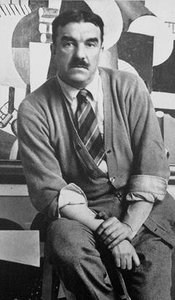
Fernand Léger

Fernand Léger

1881 - 1955 , Fransa

Kısa Bilgiler

  • Artistic Movement Or Style: Kübizm, Tübism
  • Artists Or Movements Influenced By This Artist: ['Pop Art']
  • Artists Who Influenced This Artist: ['Paul Cézanne']
  • Date Of Birth: 4 Şubat 1881
  • Date Of Death: 17 Ağustos 1955
  • Full Name: Fernand Léger
  • Nationality: Fransız
  • Notable Artworks:
    • The Sitted Woman
    • Machine Element
    • The Great Parade
    • The City
  • Place Of Birth: Argentan, Fransa
Temalara, stillere ve özelliklere göre düzenlenmiş sanat eserlerini keşfedin.