


x

Hızlı üretim ve esnek bitiş seçenekleriyle müze kalitesinde giclée veya kanvas baskı. ( El yapımı tablo satın al Görsel satın al)





























Eserin orijinal oranlarıyla uyumlu, önceden belirlenmiş boyutlarımız arasından seçim yapın.

Belirli bir çerçeveye veya alana uyması için kendi ölçülerinizi girebilirsiniz. Seçtiğiniz boyut orijinal görüntünün oranlarıyla eşleşmiyorsa, sanat eserini kırpacağız veya görüntüyü aynalanmış ya da düz dolgulu bir kenarlıkla genişleteceğiz. Üretim başlamadan önce onayınız için bir dijital taslak gönderilecektir.
Lütfen ekrandaki önizlemenin gerçek kırpma veya genişletmeyi yansıtmadığını unutmayın. Nihai kompozisyonu yalnızca taslak doğru bir şekilde gösterecektir.
Özel boyutlar mevcut olsa da, orijinal oranları korumak için önceden tanımlanmış listeden bir boyut seçmenizi öneririz.
Dünya Çapında Teslimat (); standart 4/5 hafta yerine 2 haftada. (22 Ağustos)


Stalingrad
Reproduksiyon Boyutu
In the vast landscape of twentieth-century modernism, few works capture the intersection of human tragedy and industrial power as viscerally as Fernand Léger’s Stalingrad. Created in 1954, this masterpiece transcends a mere historical chronicle of one of World War II's most devastating sieges; it serves as a profound meditation on the collision between man and machine. To gaze upon this canvas is to enter a world where the boundaries between organic life and mechanical force blur, creating an experience that is not merely seen through the eyes, but felt within the chest. Léger invites the viewer into a space where the echoes of battle are rendered through a language of pure, unadulterated form.
The artwork stands as a striking embodiment of Naïve Art, a movement that deliberately rejected the polished academic conventions of the past in favor of direct observation and raw emotional honesty. Rather than seeking to replicate the photographic reality of the Soviet battlefield, Léger utilizes a simplified visual vocabulary. He employs bold, decisive lines and flattened planes that strip away the illusion of depth, forcing the viewer to confront the essential geometry of conflict. This technique, heavily influenced by his fascination with industrial aesthetics, transforms the chaos of war into a structured, rhythmic composition of circles, squares, and triangles.
Léger’s technical mastery lies in his ability to imbue static shapes with an incredible sense of dynamism. By avoiding traditional shading and the subtle blending of colors, he relies instead on a vibrant palette of primary hues to drive the narrative forward. This lack of chiaroscuro creates a high-contrast environment where every element—from the jagged fragments of destroyed architecture to the silhouettes of advancing vehicles—pops with an urgent, electric energy. The artist’s signature linear style mirrors the relentless, grinding pace of mechanized warfare, where the movement of tanks and the trajectory of artillery become part of a larger, unstoppable mechanical dance.
This aesthetic choice serves a deeper symbolic purpose. In Stalingrad, the machine is not merely a tool of destruction but a central protagonist. Léger explores the complex relationship between humanity and technology, questioning whether the advancements of the industrial age have become inseparable from our capacity for violence. The geometric precision of the vehicles and weaponry contrasts sharply with the desperate human struggle, creating a tension that is both intellectually stimulating and emotionally harrowing. For the collector or designer, this piece offers a sophisticated dialogue between the structured beauty of abstraction and the profound weight of historical memory.
To understand the impact of this work, one must consider the historical gravity of its subject. The Siege of Stalingrad was a period of unimaginable hardship, characterized by starvation, bombardment, and an iron will to endure. Léger captures this atmosphere of desperation and determination with remarkable acuity. Amidst the debris of a shattered city, he portrays a landscape where the remnants of civilization are being reshaped by the forces of modern combat. The painting does not offer a literal or sanitized representation; instead, it offers a psychological portrait of a world in flux.
For those seeking to adorn a space with art that commands attention and provokes thought, Stalingrad is an incomparable choice. It brings a sense of historical depth and avant-garde strength to any interior, acting as a focal point that bridges the gap between mid-century modernism and contemporary emotional expression. Owning a high-quality reproduction of this work means possessing a fragment of art history—a piece that celebrates the resilience of the human spirit even when caught within the gears of an indifferent, mechanical age.

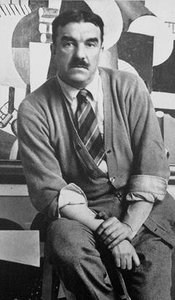
1881 - 1955 , Fransa

Explore the exquisite world of Victorian Illustration. Discover the masters of the Golden Age, from Arthur Rackham to Edmund Dulac, through an in-depth historical journey into the era's unparalleled detail and narrative artistry.


En son sanat haberlerinden, özel tekliflerden ve dekorasyon fikirlerinden haberdar olun.
Projenizden bize bahsedin; sanat uzmanlarımız size özel 3 sanat eseri önerisi sunsun.
Size Özel 3 Seçeneği Ücretsiz Olarak Hazırlayalım!


 Önizleme yap
 Paylaş
 Paylaş
 Detayları Gör

 İndir
İndir
 Benzerlerini gör
 X-Işını
 Slayt Gösterisi


 Tümünü Gör







 Cam seçeneği yalnızca 110 cm altındaki boyutlar için mevcuttur.


