


x

Sanatçılarımız tarafından sipariş üzerine hazırlanan; istediğiniz boyut ve çerçevede, tuval üzerine el boyaması yağlı boya. ( Baskıya Geç Görsele Geç)





























Eserin orijinal oranlarıyla uyumlu, önceden belirlenmiş boyutlarımız arasından seçim yapın.

Belirli bir çerçeveye veya alana uyması için kendi boyutlarınızı girebilirsiniz. Seçtiğiniz boyut orijinal görüntünün oranlarıyla eşleşmiyorsa, sanat eserini kırparak veya ek el boyaması öğelerle resmi uzatarak ayarlayacağız. Üretim başlamadan önce onayınız için dijital bir taslak gönderilecektir.
Lütfen ekrandaki önizlemenin gerçek kırpmayı veya uzatmayı yansıtmadığını unutmayın. Nihai kompozisyonu yalnızca hazırlanan taslak doğru şekilde gösterecektir.
Özel boyutlar mevcut olsa da, orijinal oranları korumak adına önceden tanımlanmış listeden bir boyut seçmenizi öneririz.
Dünya Çapında Teslimat (); standart 5 hafta yerine 3/4 haftada. (10 Ağustos). Kaliteden ödün verilmez.


Street
Reproduksiyon Boyutu
Fernand Léger's "Street" offers a captivating glimpse into the burgeoning dynamism of early 20th-century urban life, rendered with a distinctive naive style that simultaneously evokes a sense of primitive authenticity and sophisticated abstraction. Painted by one of the most influential figures of the Cubist movement, this artwork isn’t merely a depiction of a street scene; it's an exploration of how modernity – specifically the impact of industrialization and the machine age – was perceived and translated onto canvas. Léger, born Joseph Fernand Henri Léger in 1881 in Argentan, Normandy, brought a unique perspective to art, shaped by his upbringing amidst the rural landscapes that contrasted sharply with the burgeoning mechanical world he sought to capture.
Léger's artistic journey was profoundly influenced by the technological advancements of his time. He saw in the machine age not just a source of pollution or disruption, but also a new aesthetic – one characterized by clean lines, geometric shapes, and a sense of powerful movement. “Street” embodies this fascination, presenting figures and objects as fragmented yet recognizable forms, echoing the mechanical structures that were transforming urban landscapes. The bicycle, a symbol of personal mobility in an increasingly mechanized world, is rendered with particular attention to its angularity and solidity, reflecting Léger’s interest in the formal qualities of industrial design.
This approach was revolutionary for its time. While many artists retreated into pure abstraction, Léger sought to bridge the gap between the tangible world and the realm of artistic expression. He wasn't simply depicting a street; he was constructing a visual vocabulary that spoke directly to the anxieties and aspirations of a society undergoing rapid transformation.
Beyond its formal qualities, “Street” carries a subtle emotional weight. The figures, though rendered in a simplified style, convey a sense of everyday activity – people going about their business, interacting with one another. This focus on the ordinary elevates the scene to something more profound, suggesting that even the most mundane aspects of urban life could be imbued with artistic significance. Léger’s use of color and composition creates a dynamic tension, capturing both the energy and the potential alienation of modern city life.
The painting's naive style invites viewers to engage with it on an intuitive level, bypassing intellectual analysis and tapping into a primal sense of recognition. It is a testament to Léger’s belief that art should be accessible to all, regardless of their formal training or cultural background.
Fernand Léger's “Street” stands as a pivotal work in the history of modern art, demonstrating his unique ability to synthesize Cubist principles with a distinctly personal vision. His influence extended beyond painting, impacting sculpture, design, and architecture. Today, reproductions of this captivating artwork offer an opportunity to experience firsthand the innovative spirit of one of the 20th century’s most important artists – a reminder that even in the midst of technological change, the human element remains at the heart of artistic expression.

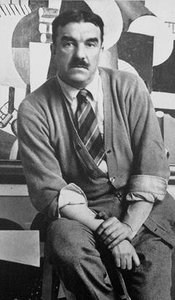
1881 - 1955 , Fransa

Explore 10 iconic modern artworks by Picasso, Monet & Van Gogh that redefined art history. Discover their stories, techniques & emotional power. Find museum-quality reproductions for your home at Most-Famous-Paintings.com.

Explore 10 iconic artworks capturing the Industrial Revolution’s grit & beauty. From Monet to Manet, discover realism, impressionism & powerful scenes of urban life. Find museum-quality reproductions for your home at Most-Famous-Paintings.com.
Katsushika Hokusai'nin en iyi 25 eserini keşfedin! Kanagawa'daki Büyük Dalga ve Fuji Dağı gibi ikonik ukiyo-e baskılarının hikayelerini öğrenin. Japon sanatının büyüsünü evinize taşıyın. Most-Famous-Paintings.com'da yüksek kaliteli sanat reproduksiyonları.

Explore the captivating world of realism in art history! Discover iconic street scenes & genre paintings from masters like Courbet & Brown. Expert analysis & museum-quality reproductions at Most-Famous-Paintings.

MoMA'nın en ikonik 25 eserini keşfedin! Van Gogh, Picasso, Warhol ve daha fazlasının ölümsüz tablolarının hikayelerini öğrenin. Evinizi modern sanatın büyüsüyle doldurun. Most-Famous-Paintings.com'da tüm şaheserleri keşfedin.


En son sanat haberlerinden, özel tekliflerden ve dekorasyon fikirlerinden haberdar olun.
Projenizden bize bahsedin; sanat uzmanlarımız size özel 3 sanat eseri önerisi sunsun.
Size Özel 3 Seçeneği Ücretsiz Olarak Hazırlayalım!


 Önizleme yap
 Paylaş
 Paylaş
 Detayları Gör

 İndir
İndir
 Benzerlerini gör
 X-Işını
 Slayt Gösterisi

 Tümünü Gör







 Cam seçeneği yalnızca 110 cm altındaki boyutlar için mevcuttur.


