


x

Çevrimiçi önizlemeden çok daha üstün, yüksek çözünürlüklü ve iyileştirilmiş bir dijital görüntü satın alın.
Her dosya, uzman ekibimiz tarafından gelişmiş araçlar ve titiz manuel rötuş teknikleri kullanılarak özenle hazırlanır. Her görüntünün olağanüstü netliğe, kusursuz renk doğruluğuna ve ince ayrıntılara sahip olduğundan emin oluruz.
Son dosya; profesyonel, editoryal ve baskı süreçlerinde anında kullanıma uygun şekilde optimize edilerek 72 saat içinde e-posta yoluyla teslim edilir. Bu, seçkin tasarım stüdyoları, yayıncılar ve galerilerin güvendiği aynı kalite standartlarındadır.
Kişisel sergileme, baskı ve yaratıcı projeleriniz için yüksek çözünürlüklü bir dosya indirin. ( Baskı satın al El yapımı tablo satın al)
Most-Famous-Paintings.com seçtiğinizde, sadece bir görsel edinmekle kalmaz; titizlikle hazırlanmış, profesyonelce iyileştirilmiş dijital bir sanat eserine sahip olur ve memnuniyet garantisiyle güvence altına alınırsınız. Siparişinizle birlikte otomatik olarak sunulan her şey şunlardır:

Yüksek çözünürlüklü dijital görüntü dosyanız, siparişinizin üzerinden en geç 72 saat geçmeden e-posta ile size gönderilecektir; hemen kullanıma hazırdır.

Sanat eseriniz; maksimum detay, netlik ve renk doğruluğu sağlamak amacıyla gelişmiş yapay zeka araçları ve manuel düzenleme kullanılarak profesyonelce optimize edilmektedir.

Dosyanızı yanlışlıkla mı sildiniz yoksa kayıp mı oldu? Endişelenmeyin; dosyanızı dilediğiniz zaman size ücretsiz olarak tekrar göndereceğiz.

Sanat eserinizin tadını gümrük vergisi, harç veya teslimat ücreti ödemeden anında çıkarın; dijital indirmeler her zaman vergiden muaftır.

Profesyonel araçlar ve renk yönetimi kullanarak dijital görselinizin orijinal renklere mümkün olduğunca yakın yansıtılmasını sağlıyoruz.

If you're not satisfied with your digital image, we'll revise it or refund 100% within 60 days - no questions asked.

Memnun kalmadınız mı? Dijital dosyanızı aldıktan sonraki 60 gün içinde, hiçbir soru sorulmaksızın tam iade alın.

Buy 3 images, save 10% - Buy 5, save 15% - Buy 10+, save 20%. Great for creative projects, galleries, and agencies.
This powerful panel is a cornerstone of Francis Bacon's emotionally charged oeuvre, born from profound personal tragedy. Created in the wake of his lover George Dyer’s death, it forms part of a larger triptych – a format Bacon increasingly favored for its capacity to explore multifaceted perspectives on a single subject. This work, and its companions, represent a raw and unflinching exploration of grief, isolation, and the fragmented nature of human existence, marking a pivotal shift towards his haunting “Black Triptychs.”
The right panel presents a solitary male figure seated before a mirror. Dressed in the conventional attire of a suit and tie – symbols of societal constraint and perhaps, in this context, the trappings of a life now irrevocably altered – the man’s head is deliberately turned away from our direct gaze. Instead, we are confronted with his reflection. This positioning isn't accidental; it creates an unsettling dynamic, denying us immediate access to his emotions while simultaneously forcing us to confront their distorted manifestation. The figure’s expression remains ambiguous, hinting at a complex inner turmoil – despair, resignation, or perhaps a detached self-observation born of trauma. Two subtly rendered figures in the background amplify the sense of claustrophobia and alienation. A chair and dining table anchor the scene within a domestic setting, yet render it profoundly unsettling.
Bacon’s signature style is immediately recognizable: brutally honest figuration pushed to the brink of abstraction. He employs loose, gestural brushstrokes and a deliberately limited color palette – dominated by blacks, greys, and fleshy tones – to create an atmosphere of raw emotional intensity. Anatomical accuracy is sacrificed in favor of distortion and fragmentation, reflecting Bacon’s belief in the inherent vulnerability and decay of the human form. The blurred lines and flattened perspective contribute to the painting's claustrophobic feel, trapping the figure within its own psychological space. This isn’t a portrait aiming for likeness; it’s an excavation of inner torment.
Francis Bacon (1909-1992) emerged as a leading voice in the post-war era, a period defined by existential questioning and disillusionment. His work grapples with themes of violence, mortality, and the absurdity of life – reflecting a broader cultural anxiety. The triptych format itself was crucial to Bacon’s process; he described seeing images “in series,” believing that three panels allowed for a more complete exploration of a subject without imposing a fixed narrative. The 1971 triptychs are particularly poignant, directly addressing his personal grief following Dyer's suicide and transforming private anguish into universal statements about loss. The mirror isn’t merely a reflective surface; it symbolizes self-confrontation, the fractured identity born of trauma, and the inescapable nature of mortality.
*Triptych, 1971 (Right Panel)* is not an easy painting to encounter. It evokes feelings of unease, isolation, and profound sadness. The distorted figure and oppressive atmosphere compel viewers to confront uncomfortable truths about the human condition. However, within this darkness lies a strange beauty – a testament to Bacon’s ability to find poetry in pain and capture the raw essence of experience.
This panel is more than just a painting; it's a visceral experience that challenges viewers to confront their own mortality and the complexities of the human psyche – a powerful statement piece for those who appreciate art with depth and emotional resonance.

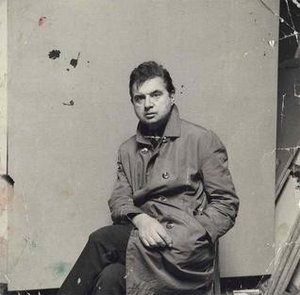
1909 - 1992 , İrlanda


En son sanat haberlerinden, özel tekliflerden ve dekorasyon fikirlerinden haberdar olun.
Projenizden bize bahsedin; sanat uzmanlarımız size özel 3 sanat eseri önerisi sunsun.
Size Özel 3 Seçeneği Ücretsiz Olarak Hazırlayalım!


 Önizleme yap
 Paylaş
 Paylaş
 Detayları Gör

 İndir
İndir
 Benzerlerini gör
 X-Işını
 Slayt Gösterisi

 Tümünü Gör


