


x

 Preview
 Baskıyı satın al Görseli Satın Al
 Paylaş
 Detayları Gör
 Favorilere ekle
 İndir
İndir
 Benzerlerini gör
 X-Işını
 Slayt Gösterisi
 Woodblock PrintGerman Expressionism
 33.0 x 30.0 cm
 Franz Marc Müzesi
Sanatçılarımız tarafından sipariş üzerine hazırlanan; istediğiniz boyut ve çerçevede, tuval üzerine el boyaması yağlı boya.





























Eserin orijinal oranlarıyla uyumlu, önceden belirlenmiş boyutlarımız arasından seçim yapın.

Belirli bir çerçeveye veya alana uyması için kendi boyutlarınızı girebilirsiniz. Seçtiğiniz boyut orijinal görüntünün oranlarıyla eşleşmiyorsa, sanat eserini kırparak veya ek el boyaması öğelerle resmi uzatarak ayarlayacağız. Üretim başlamadan önce onayınız için dijital bir taslak gönderilecektir.
Lütfen ekrandaki önizlemenin gerçek kırpmayı veya uzatmayı yansıtmadığını unutmayın. Nihai kompozisyonu yalnızca hazırlanan taslak doğru şekilde gösterecektir.
Özel boyutlar mevcut olsa da, orijinal oranları korumak adına önceden tanımlanmış listeden bir boyut seçmenizi öneririz.
Dünya Çapında Teslimat (); standart 5 hafta yerine 3/4 haftada. (23 Temmuz). Kaliteden ödün verilmez.


Tiger
Reproduksiyon Boyutu
Franz Marc’s “Tiger,” a striking woodcut print from 1912, isn’t merely a depiction of an animal; it’s a profound meditation on the interconnectedness of nature and the spiritual realm. Created during a period of intense personal and artistic exploration for the German Expressionist painter, this work embodies Marc's lifelong fascination with animals as symbols of primal instinct, intuition, and ultimately, a connection to something larger than the human ego. The image immediately commands attention – a powerful, almost overwhelming presence of the tiger rendered in stark black ink against a subtly textured cream-colored background. It’s a visual statement that transcends simple representation, inviting viewers into a world where form and feeling are inextricably linked.
Marc's mastery lies in his deliberate manipulation of line – a defining characteristic of woodcut printing. The bold, graphic lines delineate the tiger’s muscular form with an almost brutal honesty, yet they are simultaneously softened by the artist’s expressive hand. Notice how he employs hatching and cross-hatching to suggest texture and volume, creating a sense of depth without relying on traditional shading techniques. This technique isn't about replicating reality; it’s about conveying the *essence* of the tiger – its power, its wildness, its vital energy – through the controlled application of line. The deliberate flatness of the image, a consequence of the woodcut process, contributes to a feeling of immediacy and raw emotion, pulling the viewer directly into the heart of the scene.
“Tiger” is deeply rooted in Marc’s spiritual beliefs. He viewed animals as embodiments of divine qualities – courage, strength, instinct, and a connection to the earth. The tiger itself represents primal energy, untamed spirit, and the forces of nature. The surrounding elements—birds circling overhead, a snake slithering through the undergrowth—further amplify this symbolism, creating a microcosm of the natural world teeming with life and interconnectedness. Marc’s choice of monochrome – black ink on cream paper – is crucial to understanding the work's emotional impact. It strips away any distractions, focusing solely on form, line, and the inherent drama of the subject matter. The limited palette evokes a sense of timelessness and universality, suggesting that this primal scene transcends specific time or place.
“Tiger” is a quintessential example of German Expressionism, a movement characterized by its subjective interpretation of reality and its emphasis on emotional expression. Unlike academic art that sought to represent the world accurately, Expressionists aimed to convey their inner feelings and perceptions through distorted forms, jarring colors (though Marc’s work avoids color), and emotionally charged imagery. Marc's exploration of spirituality within his art is a hallmark of this movement. He wasn’t interested in simply depicting a tiger; he was trying to capture its *spirit*, its essence – the feeling it evokes within him. The image resonates with a sense of both power and vulnerability, reflecting Marc’s own complex relationship with nature and the human condition. It's a work that invites contemplation, prompting viewers to consider their own connection to the natural world and the deeper mysteries of existence.

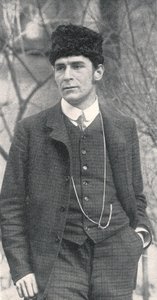
1880 - 1916 , Almanya
Marc Chagall'ın en ikonik 25 eserini keşfedin! Rüya gibi renkler, Yahudi folkloru ve modern sanatın büyülü dünyasına yolculuk yapın. Sanat tarihinin bu önemli figürünün tablolarını inceleyin ve evinizi Most-Famous-Paintings kalitesiyle süsleyin. Koleksiyonu online keşfedin!
Explore 10 defining German Expressionism masterpieces – from Munch's 'The Scream' to Kandinsky’s abstracts. Discover the artists, stories & bold colors behind this powerful art movement. Find museum-quality reproductions at Most-Famous-Paintings.com.

New York Metropolitan Müzesi'nin en ikonik 25 eserini keşfedin! Van Gogh, Monet ve Rembrandt gibi ustaların hikayelerini öğrenin. Eviniz için sanat baskısı ve dekorasyon fikirleri Most-Famous-Paintings.com'da. Koleksiyonu şimdi inceleyin!

Explore the profound world of Franz Marc's Expressionist paintings. Discover his spiritual connection to animals, innovative use of color, and lasting impact on modern art history. Learn more at Most-Famous-Paintings.

MoMA'nın en ikonik 25 eserini keşfedin! Van Gogh, Picasso, Warhol ve daha fazlasının ölümsüz tablolarının hikayelerini öğrenin. Evinizi modern sanatın büyüsüyle doldurun. Most-Famous-Paintings.com'da tüm şaheserleri keşfedin.


En son sanat haberlerinden, özel tekliflerden ve dekorasyon fikirlerinden haberdar olun.
Projenizden bize bahsedin; sanat uzmanlarımız size özel 3 sanat eseri önerisi sunsun.
Size Özel 3 Seçeneği Ücretsiz Olarak Hazırlayalım!


 Paylaş

 Tümünü Gör







 Cam seçeneği yalnızca 110 cm altındaki boyutlar için mevcuttur.


