x

 Acrylic On CanvasWallArtSymbolist Movement
 1884
1884 116.0 x 257.0 cm
 Tate Britain
Çevrimiçi önizlemeden çok daha üstün, yüksek çözünürlüklü ve iyileştirilmiş bir dijital görüntü satın alın.
Her dosya, uzman ekibimiz tarafından gelişmiş araçlar ve titiz manuel rötuş teknikleri kullanılarak özenle hazırlanır. Her görüntünün olağanüstü netliğe, kusursuz renk doğruluğuna ve ince ayrıntılara sahip olduğundan emin oluruz.
Son dosya; profesyonel, editoryal ve baskı süreçlerinde anında kullanıma uygun şekilde optimize edilerek 72 saat içinde e-posta yoluyla teslim edilir. Bu, seçkin tasarım stüdyoları, yayıncılar ve galerilerin güvendiği aynı kalite standartlarındadır.
Kişisel sergileme, baskı ve yaratıcı projeleriniz için yüksek çözünürlüklü bir dosya indirin. ( Baskı satın al El yapımı tablo satın al)
Most-Famous-Paintings.com seçtiğinizde, sadece bir görsel edinmekle kalmaz; titizlikle hazırlanmış, profesyonelce iyileştirilmiş dijital bir sanat eserine sahip olur ve memnuniyet garantisiyle güvence altına alınırsınız. Siparişinizle birlikte otomatik olarak sunulan her şey şunlardır:

Yüksek çözünürlüklü dijital görüntü dosyanız, siparişinizin üzerinden en geç 72 saat geçmeden e-posta ile size gönderilecektir; hemen kullanıma hazırdır.

Sanat eseriniz; maksimum detay, netlik ve renk doğruluğu sağlamak amacıyla gelişmiş yapay zeka araçları ve manuel düzenleme kullanılarak profesyonelce optimize edilmektedir.

Dosyanızı yanlışlıkla mı sildiniz yoksa kayıp mı oldu? Endişelenmeyin; dosyanızı dilediğiniz zaman size ücretsiz olarak tekrar göndereceğiz.

Sanat eserinizin tadını gümrük vergisi, harç veya teslimat ücreti ödemeden anında çıkarın; dijital indirmeler her zaman vergiden muaftır.

Profesyonel araçlar ve renk yönetimi kullanarak dijital görselinizin orijinal renklere mümkün olduğunca yakın yansıtılmasını sağlıyoruz.

If you're not satisfied with your digital image, we'll revise it or refund 100% within 60 days - no questions asked.

Memnun kalmadınız mı? Dijital dosyanızı aldıktan sonraki 60 gün içinde, hiçbir soru sorulmaksızın tam iade alın.

Buy 3 images, save 10% - Buy 5, save 15% - Buy 10+, save 20%. Great for creative projects, galleries, and agencies.
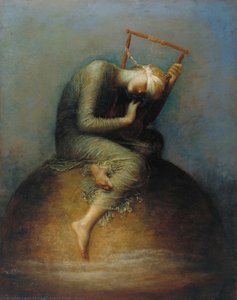
George Frederic Watts' “Eve Tempted,” painted in 1884, isn’t merely a depiction of the biblical Fall; it’s a profound exploration of human desire, vulnerability, and the fraught relationship between innocence and experience. Created during a period when Symbolism was challenging academic realism, Watts eschewed straightforward narrative for a richly layered allegory, inviting viewers to contemplate the complexities of choice and its consequences. The painting immediately draws the eye with its dramatic lighting – a stark contrast between the shadowed depths of the garden and the luminous glow surrounding Eve – suggesting a world poised on the brink of revelation, both alluring and terrifying.
Watts was deeply rooted in the artistic traditions of his time, yet he forged a distinctly personal style. “Eve Tempted” exemplifies this fusion. The composition is heavily influenced by Renaissance painting, particularly Botticelli’s “Primavera,” evident in the graceful pose of Eve and the lush, almost dreamlike quality of the foliage. However, Watts departs from traditional idealism, imbuing the scene with a palpable sense of melancholy and foreboding. His technique is characterized by meticulous detail – observe the intricate folds of Eve's dress, the delicate texture of the fruit, and the subtle variations in color—combined with a masterful use of chiaroscuro (the dramatic contrast between light and dark). The painting’s palette leans towards somber hues: deep greens, browns, and purples dominate, punctuated by the vibrant red of the apple, which acts as a visual focal point, radiating both temptation and danger. Watts' earlier exposure to Elgin Marbles also informed his work, particularly in the idealized forms of the figures.
Beyond the immediate narrative of the Fall, “Eve Tempted” is saturated with symbolic meaning. The garden itself represents Paradise, a state of blissful innocence and harmony. The dog beneath the tree – often interpreted as representing primal instinct or even Satan—watches over the scene, suggesting the ever-present threat to this idyllic existence. Eve’s posture, with one hand shielding her face and the other holding the apple, embodies both shame and defiance. Her nudity isn't presented as overtly sensual but rather as a symbol of vulnerability and exposure – she is stripped bare not just physically, but emotionally and spiritually. The apple itself is laden with symbolism: it represents knowledge, transgression, and the potential for both enlightenment and destruction. The surrounding flowers—particularly lilies, associated with purity—are subtly corrupted by the presence of the forbidden fruit, hinting at the irreversible nature of Eve’s choice.
“Eve Tempted” is more than just a biblical illustration; it's a powerful depiction of Victorian sensibilities – a period characterized by intense introspection, moral anxieties, and a fascination with hidden emotions. Watts was deeply concerned with the psychological complexities of his subjects, and this painting reflects that preoccupation. The scene evokes a sense of quiet desperation, capturing the moment before the irrevocable fall. It’s a poignant meditation on human nature, exploring themes of temptation, guilt, and the enduring struggle between good and evil. The painting's emotional resonance continues to captivate viewers today, offering a timeless reflection on the choices we make and their lasting consequences. The work speaks to the universal experience of confronting difficult truths and navigating the complexities of our own desires.


1817 - 1904


En son sanat haberlerinden, özel tekliflerden ve dekorasyon fikirlerinden haberdar olun.
Projenizden bize bahsedin; sanat uzmanlarımız size özel 3 sanat eseri önerisi sunsun.
Size Özel 3 Seçeneği Ücretsiz Olarak Hazırlayalım!


 Önizleme yap
 Paylaş
 Paylaş
 Detayları Gör

 İndir
İndir
 Benzerlerini gör
 X-Işını
 Slayt Gösterisi
 Tümünü Gör