x

 Preview
 Baskıyı satın al Tabloyu Sipariş Et
 Paylaş
 Detayları Gör
 Favorilere ekle
 İndir
İndir
 Benzerlerini gör
 X-Işını
 Slayt Gösterisi
 Oil On CanvasWallArtPhotorealism
 1983
1983 80.0 x 65.0 cm
Çevrimiçi önizlemeden çok daha üstün, yüksek çözünürlüklü ve iyileştirilmiş bir dijital görüntü satın alın.
Her dosya, uzman ekibimiz tarafından gelişmiş araçlar ve titiz manuel rötuş teknikleri kullanılarak özenle hazırlanır. Her görüntünün olağanüstü netliğe, kusursuz renk doğruluğuna ve ince ayrıntılara sahip olduğundan emin oluruz.
Son dosya; profesyonel, editoryal ve baskı süreçlerinde anında kullanıma uygun şekilde optimize edilerek 72 saat içinde e-posta yoluyla teslim edilir. Bu, seçkin tasarım stüdyoları, yayıncılar ve galerilerin güvendiği aynı kalite standartlarındadır.
Kişisel sergileme, baskı ve yaratıcı projeleriniz için yüksek çözünürlüklü bir dosya indirin.
Most-Famous-Paintings.com seçtiğinizde, sadece bir görsel edinmekle kalmaz; titizlikle hazırlanmış, profesyonelce iyileştirilmiş dijital bir sanat eserine sahip olur ve memnuniyet garantisiyle güvence altına alınırsınız. Siparişinizle birlikte otomatik olarak sunulan her şey şunlardır:

Yüksek çözünürlüklü dijital görüntü dosyanız, siparişinizin üzerinden en geç 72 saat geçmeden e-posta ile size gönderilecektir; hemen kullanıma hazırdır.

Sanat eseriniz; maksimum detay, netlik ve renk doğruluğu sağlamak amacıyla gelişmiş yapay zeka araçları ve manuel düzenleme kullanılarak profesyonelce optimize edilmektedir.

Dosyanızı yanlışlıkla mı sildiniz yoksa kayıp mı oldu? Endişelenmeyin; dosyanızı dilediğiniz zaman size ücretsiz olarak tekrar göndereceğiz.

Sanat eserinizin tadını gümrük vergisi, harç veya teslimat ücreti ödemeden anında çıkarın; dijital indirmeler her zaman vergiden muaftır.

Profesyonel araçlar ve renk yönetimi kullanarak dijital görselinizin orijinal renklere mümkün olduğunca yakın yansıtılmasını sağlıyoruz.

If you're not satisfied with your digital image, we'll revise it or refund 100% within 60 days - no questions asked.

Memnun kalmadınız mı? Dijital dosyanızı aldıktan sonraki 60 gün içinde, hiçbir soru sorulmaksızın tam iade alın.

Buy 3 images, save 10% - Buy 5, save 15% - Buy 10+, save 20%. Great for creative projects, galleries, and agencies.
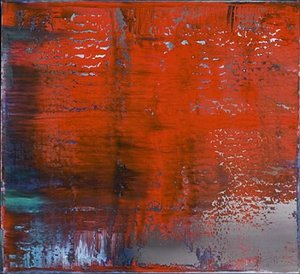
Gerhard Richter’s 1983 painting, “Skull,” isn’t a celebration of death, but rather an intensely contemplative meditation on the fragility of existence and the enduring power of memory. Rendered in oil on canvas with a deceptively simple palette – primarily stark white against muted grays and blues – the work immediately commands attention not through dramatic gesture or vibrant color, but through its profound stillness and unsettling intimacy. The skull itself, presented in close-up, possesses an almost unnerving realism; it’s not idealized or romanticized, but a tangible representation of mortality, stripped bare of any embellishment. Richter's masterful control of texture – achieved through subtle brushstrokes and the layering of paint – creates a surface that is both smooth and subtly tactile, inviting the viewer to reach out and touch (though, of course, it’s impossible). This deliberate ambiguity, this refusal to offer easy answers, is characteristic of much of Richter's oeuvre and contributes significantly to the painting’s enduring power.
The genesis of “Skull” lies within a period of profound personal and historical upheaval for Richter. Born in Dresden in 1932, his childhood was shaped by the escalating tensions of Nazi Germany and the subsequent devastation of World War II. This experience instilled within him a deep-seated sense of uncertainty and a questioning spirit – qualities that would become central to his artistic practice. The skull itself can be interpreted as a visual echo of this trauma; it’s a symbol of loss, displacement, and the inescapable awareness of our own mortality. Richter's decision to photograph the skull before painting it suggests an initial attempt to capture its essence directly, but ultimately, he transforms the image through his artistic process, imbuing it with layers of meaning that extend far beyond mere representation.
Richter’s technique in “Skull” is a fascinating blend of realism and abstraction. He began by projecting a photograph of a human skull onto the canvas, meticulously tracing its outline with graphite. This foundational layer provides a sense of grounding and establishes the image's initial form. However, Richter then proceeded to paint over these lines, not with a single, decisive stroke, but with multiple layers of oil paint – often incorporating subtle variations in color and texture. This layering process is crucial to understanding Richter’s artistic approach; it’s a deliberate act of deconstruction, where the original image is gradually obscured and transformed into something new. The resulting surface is not perfectly smooth or uniform; instead, it exhibits a delicate interplay of textures – areas of subtle glossiness juxtaposed with matte patches, creating a sense of depth and complexity.
The muted color palette—primarily whites, grays, and blues—further contributes to the painting’s somber mood. Richter avoids bright or saturated colors, opting instead for tones that are both understated and evocative. The subtle shifts in hue create a sense of atmospheric perspective, drawing the viewer's eye into the heart of the image. Notably, Richter often employed this technique of overpainting photographs – a practice he termed “photo-paintings” – to explore the relationship between representation and reality. He wasn’t simply replicating images; he was actively engaging with them, transforming them through his own artistic vision.
Beyond its technical merits, "Skull" is rich in symbolic meaning. The skull, of course, is a universal symbol of mortality, but Richter’s painting transcends the purely literal. It speaks to the ephemeral nature of life, the inevitability of death, and the enduring power of memory. The stark simplicity of the image – the skull presented against a blurred background – creates a sense of isolation and vulnerability. The lack of context forces the viewer to confront the subject directly, without any mediating elements. This directness is both unsettling and profoundly moving.
Furthermore, Richter’s deliberate blurring of the background suggests a desire to detach the skull from its original context – perhaps even from time itself. It becomes an archetypal image, stripped of specific historical or personal associations, and presented as a timeless meditation on human existence. The subtle brushstrokes and layered textures contribute to this sense of ambiguity, creating a surface that is both familiar and strangely alien.
Most-Famous-Paintings offers meticulously crafted hand-painted reproductions of Gerhard Richter’s “Skull,” allowing art lovers to experience the painting's profound beauty and complexity in their own homes. Our skilled artists carefully replicate Richter’s nuanced technique, capturing the subtle variations in texture and color that define this iconic work. Each reproduction is created using archival-quality materials, ensuring its longevity and preserving the integrity of the original image. Whether you are a seasoned art collector or simply seeking to add a touch of contemplative beauty to your interior space, a Most-Famous-Paintings reproduction of “Skull” offers a unique opportunity to engage with one of Richter’s most compelling and enduring works.

1932 - , Almanya


En son sanat haberlerinden, özel tekliflerden ve dekorasyon fikirlerinden haberdar olun.
Projenizden bize bahsedin; sanat uzmanlarımız size özel 3 sanat eseri önerisi sunsun.
Size Özel 3 Seçeneği Ücretsiz Olarak Hazırlayalım!


 Paylaş

 Tümünü Gör