


x

Hızlı üretim ve esnek bitiş seçenekleriyle müze kalitesinde giclée veya kanvas baskı. ( El yapımı tablo satın al Görsel satın al)





























Eserin orijinal oranlarıyla uyumlu, önceden belirlenmiş boyutlarımız arasından seçim yapın.

Belirli bir çerçeveye veya alana uyması için kendi ölçülerinizi girebilirsiniz. Seçtiğiniz boyut orijinal görüntünün oranlarıyla eşleşmiyorsa, sanat eserini kırpacağız veya görüntüyü aynalanmış ya da düz dolgulu bir kenarlıkla genişleteceğiz. Üretim başlamadan önce onayınız için bir dijital taslak gönderilecektir.
Lütfen ekrandaki önizlemenin gerçek kırpma veya genişletmeyi yansıtmadığını unutmayın. Nihai kompozisyonu yalnızca taslak doğru bir şekilde gösterecektir.
Özel boyutlar mevcut olsa da, orijinal oranları korumak için önceden tanımlanmış listeden bir boyut seçmenizi öneririz.
Dünya Çapında Teslimat (); standart 4/5 hafta yerine 2 haftada. (22 Ağustos)


Nature studies (12)
Reproduksiyon Boyutu
Giuseppe Arcimboldo’s oeuvre defies easy categorization, standing apart from the artistic currents of his time as a testament to singular vision and intellectual daring. Born in Milan in 1527, Arcimboldo emerged from the humanist Renaissance—a period characterized by renewed interest in classical learning and an embrace of empirical observation—to forge a path unlike any other.
These weren’t mere visual puzzles; they were profound statements about the human condition and a masterful embodiment of Renaissance symbolism. Arcimboldo's father, Biagio Arcimboldo, instilled in him an artistic sensibility that would propel him toward unprecedented experimentation.
Arcimboldo’s technique was revolutionary for its era. He employed watercolor—a medium favored by artists seeking luminous effects—with painstaking precision. Each element of his composite heads—fruits, vegetables, flowers, books—was painstakingly positioned to create a unified image that simultaneously represented the sitter and conveyed complex allegorical meanings.
The symbolism embedded within Arcimboldo’s works speaks volumes about the Renaissance preoccupation with humanist ideals and cosmological understanding. Each object selected carried specific connotations, referencing biblical narratives, mythological figures, and philosophical concepts.
Arcimboldo’s composite heads evoke a sense of wonder and intellectual curiosity. They compel viewers to engage in active interpretation, prompting reflection on themes of mortality, transformation, and the interconnectedness of nature and human intellect.

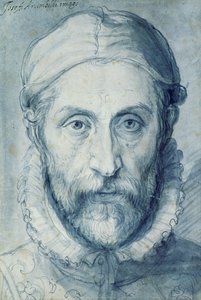
1527 - 1593 , İtalya

Explore the profound history and technical mastery of watercolor painting. From medieval manuscripts to the luminous works of John Singer Sargent, discover how artists capture light and transparency through this delicate, enduring medium.


En son sanat haberlerinden, özel tekliflerden ve dekorasyon fikirlerinden haberdar olun.
Projenizden bize bahsedin; sanat uzmanlarımız size özel 3 sanat eseri önerisi sunsun.
Size Özel 3 Seçeneği Ücretsiz Olarak Hazırlayalım!


 Önizleme yap
 Paylaş
 Paylaş
 Detayları Gör

 İndir
İndir
 Benzerlerini gör
 X-Işını
 Slayt Gösterisi


 Tümünü Gör







 Cam seçeneği yalnızca 110 cm altındaki boyutlar için mevcuttur.


