


x

Çevrimiçi önizlemeden çok daha üstün, yüksek çözünürlüklü ve iyileştirilmiş bir dijital görüntü satın alın.
Her dosya, uzman ekibimiz tarafından gelişmiş araçlar ve titiz manuel rötuş teknikleri kullanılarak özenle hazırlanır. Her görüntünün olağanüstü netliğe, kusursuz renk doğruluğuna ve ince ayrıntılara sahip olduğundan emin oluruz.
Son dosya; profesyonel, editoryal ve baskı süreçlerinde anında kullanıma uygun şekilde optimize edilerek 72 saat içinde e-posta yoluyla teslim edilir. Bu, seçkin tasarım stüdyoları, yayıncılar ve galerilerin güvendiği aynı kalite standartlarındadır.
Kişisel sergileme, baskı ve yaratıcı projeleriniz için yüksek çözünürlüklü bir dosya indirin. ( Baskı satın al El yapımı tablo satın al)
Most-Famous-Paintings.com seçtiğinizde, sadece bir görsel edinmekle kalmaz; titizlikle hazırlanmış, profesyonelce iyileştirilmiş dijital bir sanat eserine sahip olur ve memnuniyet garantisiyle güvence altına alınırsınız. Siparişinizle birlikte otomatik olarak sunulan her şey şunlardır:

Yüksek çözünürlüklü dijital görüntü dosyanız, siparişinizin üzerinden en geç 72 saat geçmeden e-posta ile size gönderilecektir; hemen kullanıma hazırdır.

Sanat eseriniz; maksimum detay, netlik ve renk doğruluğu sağlamak amacıyla gelişmiş yapay zeka araçları ve manuel düzenleme kullanılarak profesyonelce optimize edilmektedir.

Dosyanızı yanlışlıkla mı sildiniz yoksa kayıp mı oldu? Endişelenmeyin; dosyanızı dilediğiniz zaman size ücretsiz olarak tekrar göndereceğiz.

Sanat eserinizin tadını gümrük vergisi, harç veya teslimat ücreti ödemeden anında çıkarın; dijital indirmeler her zaman vergiden muaftır.

Profesyonel araçlar ve renk yönetimi kullanarak dijital görselinizin orijinal renklere mümkün olduğunca yakın yansıtılmasını sağlıyoruz.

If you're not satisfied with your digital image, we'll revise it or refund 100% within 60 days - no questions asked.

Memnun kalmadınız mı? Dijital dosyanızı aldıktan sonraki 60 gün içinde, hiçbir soru sorulmaksızın tam iade alın.

Buy 3 images, save 10% - Buy 5, save 15% - Buy 10+, save 20%. Great for creative projects, galleries, and agencies.
Giuseppe Arcimboldo (1527-1593) wasn't merely a painter; he was an architect of perception, a master illusionist who transformed the mundane into the magnificent. His "Nature Studies," particularly those featuring vibrant depictions of flora and fauna interwoven to create arresting portraits, stand as testaments to his singular vision and a profound engagement with the intellectual currents of the late Renaissance. These aren’t simple still lifes; they are carefully constructed allegories, brimming with symbolism that speaks volumes about the era's fascination with nature, humanism, and the delicate balance between the earthly and the divine.
Born in Milan, Arcimboldo initially honed his skills as a court painter for the Habsburg emperors in Vienna and Prague. However, it was during his time at Rudolf II’s court in Prague that he truly blossomed, developing his signature style – composite portraits built entirely from meticulously arranged fruits, vegetables, flowers, and even animal parts. This technique wasn't born of mere whimsy; it reflected a deep understanding of Renaissance philosophy, particularly the Neoplatonic belief that all things are interconnected through nature’s divine order. The emperor himself, a renowned collector of curiosities and an avid patron of the arts and sciences, provided the perfect environment for Arcimboldo's inventive spirit to flourish.
Arcimboldo’s technique was deceptively complex. He didn’t simply glue objects onto a canvas; he painstakingly sculpted them, layering textures and colors to create an illusion of depth and volume. The use of watercolor on parchment – a medium known for its delicate transparency and ability to capture subtle nuances of color – further enhanced the ethereal quality of his works. The careful selection of each element—the precise arrangement of leaves, the ripeness of the fruit, the angle of a flower—was deliberate, contributing to the overall composition’s harmony and conveying specific meanings. The portraits themselves are remarkably detailed, inviting close inspection and revealing an astonishing level of technical skill.
Consider, for example, “The Librarian” (1591), where Arcimboldo transforms a man's head into a towering stack of books, scrolls, and writing implements. Each element—the spectacles perched on the nose, the quill pen held aloft—is not merely decorative but symbolic. The abundance of books represents knowledge and learning, while the inclusion of various instruments (a lute, a trumpet) suggests musicality and intellectual pursuits. Even seemingly random objects, like the curtain forming the man’s beard, carry significance, referencing the organized structure of a library.
Arcimboldo's work is rich in symbolism, reflecting the core values of the Renaissance. The emphasis on nature—a central theme throughout his oeuvre—mirrors the humanist belief that humans are inherently connected to the natural world. The use of seasonal elements – fruits, vegetables, and flowers – speaks to the cyclical rhythms of life and death, mirroring the Neoplatonic concept of reincarnation. Furthermore, the composite portraits themselves can be interpreted as allegories for the emperor’s reign, embodying his wisdom, power, and connection to the natural order.
The choice of specific objects within each portrait often held particular significance. For instance, in “Vertumnus,” a painting depicting the Roman god of fertility and seasons, Arcimboldo employed an astonishing array of fruits and vegetables—pears, apples, grapes, pumpkins—to create a vibrant representation of Rudolf II’s power and dominion over nature. The inclusion of these elements wasn't arbitrary; it was carefully calculated to convey specific messages about the emperor’s authority and his connection to the natural world.
Giuseppe Arcimboldo’s “Nature Studies” remain captivating works of art, offering a unique glimpse into the intellectual and artistic landscape of the Renaissance. His innovative technique, combined with his profound understanding of symbolism and humanist ideals, cemented his place as one of the most original and influential artists of his time. Today, these remarkable portraits continue to inspire awe and wonder, reminding us of the power of art to transform our perception of reality and reveal the hidden beauty within the ordinary.

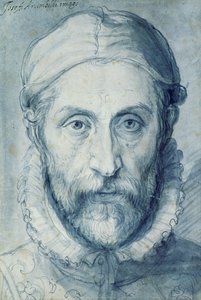
1527 - 1593 , İtalya


En son sanat haberlerinden, özel tekliflerden ve dekorasyon fikirlerinden haberdar olun.
Projenizden bize bahsedin; sanat uzmanlarımız size özel 3 sanat eseri önerisi sunsun.
Size Özel 3 Seçeneği Ücretsiz Olarak Hazırlayalım!


 Önizleme yap
 Paylaş
 Paylaş
 Detayları Gör

 İndir
İndir
 Benzerlerini gör
 X-Işını
 Slayt Gösterisi

 Tümünü Gör


