x

 Tuval Üzerine Yağlı BoyaDuvar SanatıMannerist Style
 1563Rönesans
 84.0 x 57.0 cm
 Kunsthistorisches Museum
Hızlı üretim ve esnek bitiş seçenekleriyle müze kalitesinde giclée veya kanvas baskı. ( El yapımı tablo satın al Görsel satın al)





























Eserin orijinal oranlarıyla uyumlu, önceden belirlenmiş boyutlarımız arasından seçim yapın.

Belirli bir çerçeveye veya alana uyması için kendi ölçülerinizi girebilirsiniz. Seçtiğiniz boyut orijinal görüntünün oranlarıyla eşleşmiyorsa, sanat eserini kırpacağız veya görüntüyü aynalanmış ya da düz dolgulu bir kenarlıkla genişleteceğiz. Üretim başlamadan önce onayınız için bir dijital taslak gönderilecektir.
Lütfen ekrandaki önizlemenin gerçek kırpma veya genişletmeyi yansıtmadığını unutmayın. Nihai kompozisyonu yalnızca taslak doğru bir şekilde gösterecektir.
Özel boyutlar mevcut olsa da, orijinal oranları korumak için önceden tanımlanmış listeden bir boyut seçmenizi öneririz.
Dünya Çapında Teslimat (); standart 4/5 hafta yerine 2 haftada. (17 Ağustos)


Yaz Baharı
Reproduksiyon Boyutu
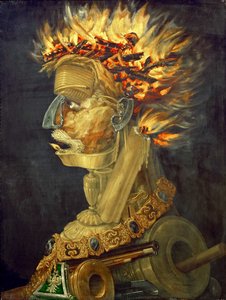
Giuseppe Arcimboldo's “Summer 1,” completed in 1563, stands as a singular achievement within the Mannerist movement—a stylistic crossroads between Renaissance idealism and Baroque drama. More than just a portrait, it’s an audacious reimagining of human representation, transforming a man’s face into a breathtaking tapestry woven from meticulously arranged fruits, vegetables, flowers, and grains.
This artwork immediately captivates the viewer with its paradoxical juxtaposition: a recognizable human form rendered entirely from organic matter. Arcimboldo wasn't merely decorating; he was communicating—expressing complex ideas about seasonality, fertility, and the ephemeral nature of existence through visual symbolism. The tilted head adds dynamism to the composition, drawing attention across the canvas and inviting contemplation.
The palette employed by Arcimboldo is remarkably vibrant, dominated by deep greens mirroring lush foliage, punctuated by fiery reds representing ripeness and passion—particularly evident in cherries and plums. Warm yellows illuminate the central figure’s complexion, while earthy browns ground the image with textural richness derived from woven garments and woody elements.
Arcimboldo's masterful brushwork meticulously captures the surfaces of his subjects – the rough texture of fruits like apples and pears contrasts sharply with the smoother skin of the human face. This dedication to detail elevates “Summer 1” beyond mere decoration, transforming it into a sensory experience that reflects the splendor of the Renaissance.
"Summer 1" is inextricably linked to Arcimboldo’s broader artistic project—the “Four Seasons”—commissioned by Emperor Maximilian I. Each piece serves as an allegorical representation of its respective season, embodying not only natural beauty but also profound philosophical concepts. The inclusion of decaying produce – withered wheat stalks and bruised plums – isn't a mere accident; it underscores the poignant reminder that even in abundance, life is inevitably accompanied by decline.
These elements speak to the humanist preoccupation with understanding the cycle of existence—a core tenet of Renaissance intellectual discourse. Arcimboldo’s genius lies in his ability to distill these ideas into a single unforgettable image, cementing “Summer 1”'s place as one of the most enduring symbols of artistic innovation and contemplative reflection.
Arcimboldo’s technique aligns closely with Baroque still life painting—characterized by dramatic chiaroscuro (light and shadow) and meticulous layering. He achieves remarkable realism through painstaking observation and skillful blending, creating an illusion of depth that draws the viewer into the scene. The composition is deliberately cropped, focusing solely on the figure's face and upper torso, maximizing impact and emphasizing the central subject’s expressive power.
Ultimately, “Summer 1” transcends its formal conventions to convey a powerful emotional resonance—a celebration of life’s vitality tempered by an awareness of mortality. It remains a testament to Arcimboldo's unparalleled vision and his enduring contribution to art history.

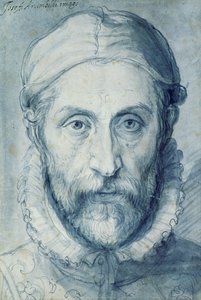
1527 - 1593 , İtalya

Explore the rich history of still life painting & the symbolism of fruit across art movements. Discover masterpieces from Caravaggio to Cézanne with Most-Famous-Paintings – expert guidance & museum-quality reproductions.

Explore the rich history of still life painting with Most-Famous-Paintings. Discover Dutch Masters, decode vanitas symbolism & learn about collecting timeless art. Expert insights and museum-quality reproductions.

Explore the rich history & symbolism of still life painting with Most-Famous-Paintings. Discover masterpieces from the Dutch Golden Age, learn about vanitas art, and find expert guidance for collecting timeless artworks.
René Magritte'in en ikonik 25 eserini keşfedin! Sürrealizmin gizemli dünyasına dalın, her tablonun ardındaki hikayeyi öğrenin. Ev dekorasyonunuz için modern sanat baskıları Most-Famous-Paintings'ta. Koleksiyonu şimdi inceleyin!

Explore the profound beauty of fruit arrangement masterpieces. From Dutch Golden Age opulence to Baroque chiaroscuro, discover the art history, symbolism, and timeless elegance of classical still life paintings for the discerning collector.


En son sanat haberlerinden, özel tekliflerden ve dekorasyon fikirlerinden haberdar olun.
Projenizden bize bahsedin; sanat uzmanlarımız size özel 3 sanat eseri önerisi sunsun.
Size Özel 3 Seçeneği Ücretsiz Olarak Hazırlayalım!


 Önizleme yap
 Paylaş
 Paylaş
 Detayları Gör

 İndir
İndir
 Benzerlerini gör
 X-Işını
 Slayt Gösterisi
 Tümünü Gör







 Cam seçeneği yalnızca 110 cm altındaki boyutlar için mevcuttur.