x


 Preview
 Baskıyı satın al Görseli Satın Al
 Paylaş
 Detayları Gör
 Favorilere ekle
 İndir
İndir
 Benzerlerini gör
 X-Işını
 Slayt Gösterisi
 Tuval Üzerine Yağlı BoyaDuvar SanatıContemporary Realism
 186219. Yüzyıl
 120.0 x 74.0 cm
 Metropolitan Sanat Müzesi
Sanatçılarımız tarafından sipariş üzerine hazırlanan; istediğiniz boyut ve çerçevede, tuval üzerine el boyaması yağlı boya.





























Eserin orijinal oranlarıyla uyumlu, önceden belirlenmiş boyutlarımız arasından seçim yapın.

Belirli bir çerçeveye veya alana uyması için kendi boyutlarınızı girebilirsiniz. Seçtiğiniz boyut orijinal görüntünün oranlarıyla eşleşmiyorsa, sanat eserini kırparak veya ek el boyaması öğelerle resmi uzatarak ayarlayacağız. Üretim başlamadan önce onayınız için dijital bir taslak gönderilecektir.
Lütfen ekrandaki önizlemenin gerçek kırpmayı veya uzatmayı yansıtmadığını unutmayın. Nihai kompozisyonu yalnızca hazırlanan taslak doğru şekilde gösterecektir.
Özel boyutlar mevcut olsa da, orijinal oranları korumak adına önceden tanımlanmış listeden bir boyut seçmenizi öneririz.
Dünya Çapında Teslimat (); standart 5 hafta yerine 3/4 haftada. (26 Temmuz). Kaliteden ödün verilmez.


The Source
Reproduksiyon Boyutu
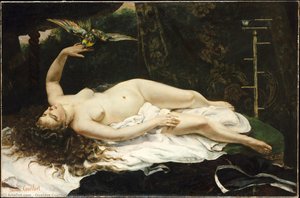
Gustave Courbet’s “The Source,” completed in 1862, stands as an undeniable cornerstone of Realism—a movement that vehemently rejected the idealized conventions of Romantic art and championed a brutally honest depiction of everyday life. More than just a painting; it's a manifesto declaring defiance against artistic dogma and asserting the primacy of observation.
The painting portrays a nude woman positioned before a waterfall or fountain, her back turned towards the viewer—a deliberate choice that underscores Courbet’s rejection of traditional female figures modeled after classical ideals. Instead, he presents us with an unvarnished portrayal of femininity, stripped bare of embellishment and imbued with palpable vulnerability.
Composition & Elements: The scene unfolds against a backdrop of rugged rocks and verdant trees—a carefully constructed landscape designed to heighten the emotional impact of the central figure. A potted plant adds depth and textural complexity, subtly reinforcing the painting’s connection to the natural world. Courbet's meticulous brushstrokes capture the shimmering surface of the water, conveying its coolness and dynamism.
Historical Context & Influence: Courbet’s work emerged in response to the prevailing artistic landscape of France during his time—a period dominated by academic art that prioritized idealized beauty and mythological narratives. He actively opposed these conventions, aligning himself with artists like Jean-Auguste-Dominique Ingres who had previously championed a more restrained aesthetic. Ingres's painting “The Source,” exhibited in Paris the preceding year, served as an indirect stimulus for Courbet’s own artistic exploration—a shared preoccupation with capturing the essence of natural beauty and rejecting artificial ornamentation.
Artistic Movement: “The Source” epitomizes Realism—a movement characterized by its unflinching commitment to portraying subjects in a truthful and accurate manner. Unlike Romantic art's penchant for emotional excess and imaginative embellishment, Realism sought to represent the world as it appeared to ordinary people—without sentimentality or moral judgment. Courbet’s stylistic innovations—particularly his use of bold color palettes and loose brushwork—were instrumental in shaping the trajectory of subsequent artistic movements, including Impressionism and Cubism.
Symbolism & Emotional Impact: Beyond its formal qualities, “The Source” resonates with profound symbolic significance. The woman’s posture—facing away from the viewer—suggests introspection and contemplation—a deliberate gesture that invites viewers to engage in a dialogue about beauty, vulnerability, and the relationship between humanity and nature. Courbet's masterful depiction of light and shadow contributes to the painting’s evocative atmosphere—creating an image that transcends mere representation and speaks directly to the human spirit.
Related Works: Courbet’s artistic legacy extends beyond “The Source,” encompassing masterpieces such as “Woman with a Parrot” (1866) and “Nude with Flowering Branch” (1862)—all housed at The Metropolitan Museum of Art. These paintings demonstrate Courbet's unparalleled ability to capture the sublime beauty of everyday life—challenging artistic conventions and establishing him as one of the most influential artists of his era.


1819 - 1877 , Fransa

Claude Monet'nin en iyi 25 eserini keşfedin! İzlenimci sanatın büyülü dünyasına dalın, her tablonun hikayesini öğrenin. Ev dekorasyonunuz için yüksek kaliteli sanat reproduksiyonları Most-Famous-Paintings'ta. Koleksiyonu şimdi keşfedin!

Paul Cézanne'ın en iyi 25 eserini keşfedin! Modern sanatın öncüsü Cézanne'ın post empresyonist tabloları, natürmortları ve renkli manzaralarıyla evinizi sanatsal bir atmosfere taşıyın. Most-Famous-Paintings.com'da yüksek kaliteli sanat baskıları ve dekor fikirleri sizi bekliyor.
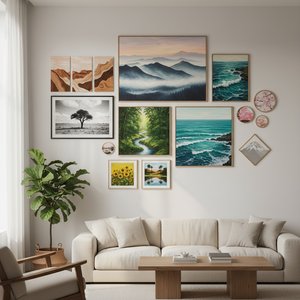
Journey through 10 breathtaking landscape paintings by Monet, Van Gogh & more! Explore iconic artworks, artistic techniques & find inspiration for your home decor. Museum-quality reproductions at Most-Famous-Paintings.com. Discover all masterpieces on Most-Famous-Paintings.com

Romantizm sanatının en etkileyici 10 başyapıtını keşfedin! Friedrich, Turner gibi ustaların büyüleyici manzaralarıyla evinizi dönüştürün. Sanat tarihi ve dekorasyon rehberi Most-Famous-Paintings.com'da tüm koleksiyonu inceleyin.
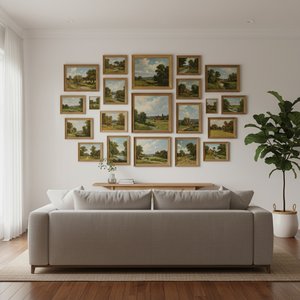
John Constable'ın en iyi 25 eserini keşfedin! İngiliz manzara sanatının büyülü dünyasına dalın, romantizm akımını ve kırsal yaşamı yansıtan tablolarla evinizi zenginleştirin. Sanat reproduksiyonları Most-Famous-Paintings'ta.


En son sanat haberlerinden, özel tekliflerden ve dekorasyon fikirlerinden haberdar olun.
Projenizden bize bahsedin; sanat uzmanlarımız size özel 3 sanat eseri önerisi sunsun.
Size Özel 3 Seçeneği Ücretsiz Olarak Hazırlayalım!


 Paylaş

 Tümünü Gör







 Cam seçeneği yalnızca 110 cm altındaki boyutlar için mevcuttur.