Sanatınızı Satın
İstek Listesi Alışveriş Sepeti Cart
Önizleme yapÖnizleme yap AR ile önizleAR ile önizle Baskı satın al Baskı satın alEl yapımı tablo satın al El yapımı tablo satın al PaylaşPaylaş
Detayları GörDetayları Gör Favorilere ekle Favorilere ekle İndirİndir Benzerlerini görBenzerlerini gör X-IşınıX-Işını Slayt GösterisiSlayt Gösterisi

Bacchanale

Gustave Moreau’s "Bacchanale" plunges viewers into a dreamlike Symbolist scene of primal ecstasy and childbirth within a shadowy forest grove, showcasing the artist's masterful blend of Impressionism and psychological depth. Discover this iconic artwork and bring its enigmatic beauty home.

Gustave Moreau’nın ikonik eserleri ve sembolizm tarzıyla sanat tarihine yön verdiğini vurgulayarak etkileyici bir Türkçe meta açıklaması oluşturuldu. İncil temalı tabloları ve benzersiz görsel diliyle öne çıkan Moreau, sanatseverlerin ilgisini çekmeyi hedefledi.

Çevrimiçi önizlemeden çok daha üstün, yüksek çözünürlüklü ve iyileştirilmiş bir dijital görüntü satın alın.

Her dosya, uzman ekibimiz tarafından gelişmiş araçlar ve titiz manuel rötuş teknikleri kullanılarak özenle hazırlanır. Her görüntünün olağanüstü netliğe, kusursuz renk doğruluğuna ve ince ayrıntılara sahip olduğundan emin oluruz.

Son dosya; profesyonel, editoryal ve baskı süreçlerinde anında kullanıma uygun şekilde optimize edilerek 72 saat içinde e-posta yoluyla teslim edilir. Bu, seçkin tasarım stüdyoları, yayıncılar ve galerilerin güvendiği aynı kalite standartlarındadır.

Dijital Görsel

Kişisel sergileme, baskı ve yaratıcı projeleriniz için yüksek çözünürlüklü bir dosya indirin. (Baskı satın al Baskı satın alEl yapımı tablo satın al El yapımı tablo satın al)

Toplam Tutar

$ 24,90

Her Dijital Görüntü Siparişinde Dahil Olanlar

Uzman Dijital Teslimat, Garantili

Most-Famous-Paintings.com seçtiğinizde, sadece bir görsel edinmekle kalmaz; titizlikle hazırlanmış, profesyonelce iyileştirilmiş dijital bir sanat eserine sahip olur ve memnuniyet garantisiyle güvence altına alınırsınız. Siparişinizle birlikte otomatik olarak sunulan her şey şunlardır:

shipping_icon
Hızlı E-posta ile Teslimat

Yüksek çözünürlüklü dijital görüntü dosyanız, siparişinizin üzerinden en geç 72 saat geçmeden e-posta ile size gönderilecektir; hemen kullanıma hazırdır.

canvas_icon
Yapay Zeka İle İyileştirilmiş Dijital Dosya

Sanat eseriniz; maksimum detay, netlik ve renk doğruluğu sağlamak amacıyla gelişmiş yapay zeka araçları ve manuel düzenleme kullanılarak profesyonelce optimize edilmektedir.

insurance_icon
Ömür Boyu Ücretsiz Yeniden Gönderim

Dosyanızı yanlışlıkla mı sildiniz yoksa kayıp mı oldu? Endişelenmeyin; dosyanızı dilediğiniz zaman size ücretsiz olarak tekrar göndereceğiz.

tax_icon
Hiçbir Zaman İthalat Ücreti Ödemeyin

Sanat eserinizin tadını gümrük vergisi, harç veya teslimat ücreti ödemeden anında çıkarın; dijital indirmeler her zaman vergiden muaftır.

color_icon
Renk Doğruluğu Garantisi

Profesyonel araçlar ve renk yönetimi kullanarak dijital görselinizin orijinal renklere mümkün olduğunca yakın yansıtılmasını sağlıyoruz.

return_icon
60 Günlük Memnuniyet Garantisi

If you're not satisfied with your digital image, we'll revise it or refund 100% within 60 days - no questions asked.

guarantee_icon
100% Para İadesi Garantisi

Memnun kalmadınız mı? Dijital dosyanızı aldıktan sonraki 60 gün içinde, hiçbir soru sorulmaksızın tam iade alın.

discount_icon
Toplu Sipariş İndirimleri

Buy 3 images, save 10% - Buy 5, save 15% - Buy 10+, save 20%. Great for creative projects, galleries, and agencies.

Hızlı Bilgiler

  • Notable elements or techniques: Dreamlike imagery; Symbolic representation
  • Artist: Gustave Moreau
  • Medium: Oil on canvas
  • Location: Musée national Gustave Moreau
  • Title: Bacchanale
  • Movement: Symbolism

Koleksiyon Detayları

Gustave Moreau’s Bacchanale: A Descent into Mythic Ecstasy

Moreau's "Bacchanale," painted circa 1890, stands as a cornerstone of Symbolist art—a mesmerizing tableau that transcends mere representation to embody profound psychological and spiritual exploration. Captured in oil on canvas, the artwork depicts a dramatic scene unfolding within a shadowy forest grove, dominated by a woman undergoing childbirth amidst a throng of nude figures. This isn’t simply a depiction of human anatomy; it's an invocation of primal forces—a visual manifestation of Dionysian ecstasy and the fecundity of nature itself.

Style and Technique: Dreamlike Impressionism

Moreau eschewed the objective realism championed by his contemporaries, opting instead for a style that blended elements of Impressionism with Symbolist principles. Like Monet and Renoir before him, he skillfully employed broken brushstrokes to capture fleeting light effects—particularly the dappled illumination filtering through the dense foliage. However, unlike Impressionists focused on capturing sensory experience, Moreau prioritized conveying inner emotion and subconscious imagery. His meticulous layering of paint creates an illusionistic depth that draws viewers into a dreamlike realm, mirroring the psychological turmoil at the heart of the scene. The artist’s masterful use of color—deep reds, greens, and blues—intensifies the dramatic atmosphere and underscores the painting's symbolic significance.

Historical Context: Nietzschean Influence & The Quest for Transcendence

Moreau’s artistic vision was deeply rooted in the intellectual ferment of late 19th-century Europe, particularly influenced by Friedrich Nietzsche’s philosophy of eternal recurrence and his critique of Christian morality. Nietzsche argued that humanity must confront its own mortality and embrace the chaotic beauty of existence—a sentiment powerfully reflected in Moreau's depiction of childbirth as a symbol of rebirth and renewal. The painting aligns with broader Symbolist concerns regarding mythology, religion, and the exploration of the unconscious mind—themes prevalent throughout European art at the time. It represents a deliberate rejection of bourgeois values and an affirmation of primal instincts.

Symbolism Unleashed: Fertility, Sacrifice & Dionysian Ritual

The imagery within "Bacchanale" is laden with symbolic references. The woman in labor embodies both vulnerability and divine potential—a representation of feminine strength confronting the inevitability of death while simultaneously initiating a new life cycle. Surrounding her are nude figures engaged in ritualistic gestures, mirroring ancient Dionysiac rites dedicated to celebrating fertility and overcoming fear. The dogs flanking the central figure serve as guardians of sacred space and symbolize primal instincts – reminding us of our connection to nature and the darker aspects of human experience. Moreau’s deliberate use of symbolism elevates the painting beyond a mere visual spectacle; it invites contemplation on fundamental questions about life, death, and spirituality.

Emotional Impact: A Profound Meditation on Existence

Moreau's "Bacchanale" doesn’t offer comfort or reassurance but confronts viewers with an unsettling yet undeniably captivating vision of human existence. The painting evokes feelings of awe, terror, and ecstasy—reflecting the artist’s own preoccupation with confronting mortality and embracing the irrational forces that shape our inner lives. It remains a testament to Moreau's ability to transform psychological anxieties into breathtaking artistic beauty—a masterpiece that continues to inspire artists and collectors alike. Its haunting stillness speaks volumes about the complexities of human experience and the enduring power of mythic symbolism.

Sanatçı Özgeçmişi

A Dream Weaver of Symbolism: The Life and Art of Gustave Moreau

Gustave Moreau, a name synonymous with the ethereal beauty and enigmatic depths of Symbolist painting, emerged from 19th-century Paris as a singular artistic voice. Born in 1826 into a bourgeois family—his father an architect and archivist—Moreau’s early life was steeped in intellectual curiosity and aesthetic sensibility. From a young age, he displayed a remarkable gift for drawing, nurtured through traditional academic training at the École des Beaux-Arts under figures like François-Édouard Picot. However, Moreau's artistic path would diverge sharply from the prevailing Realist and Impressionist currents of his time. He wasn’t interested in capturing fleeting moments or objective reality; instead, he sought to unlock the hidden realms of myth, religion, and the human psyche through a deeply personal and symbolic visual language. His journey was one of inward exploration, translating subjective emotions and spiritual yearnings onto canvas with an obsessive attention to detail and a vibrant, often opulent palette.

The Forge of Imagination: Influences and Artistic Development

Moreau’s artistic development wasn't born in a vacuum. While rejecting the dominant trends of his era, he drew inspiration from diverse sources. The dramatic use of color and exotic subject matter found in the works of Eugène Delacroix resonated deeply with him, igniting a passion for narrative painting imbued with emotional intensity. He also held Renaissance masters like Michelangelo and Leonardo da Vinci in high esteem, admiring their mastery of composition, anatomy, and psychological insight. Yet, Moreau wasn’t merely imitating these artists; he was synthesizing their influences into something entirely new. His travels to Italy in the 1850s proved pivotal, immersing him in the art of antiquity and the Renaissance, providing a wealth of motifs and stylistic cues that would populate his future works. He meticulously copied Old Master paintings, not as an exercise in replication, but as a means of absorbing their techniques and unlocking their secrets. This dedication to craft, combined with his burgeoning interest in mythology and literature, laid the foundation for his unique artistic vision. Moreau’s formative years were marked by a profound engagement with intellectual currents—particularly Neo-Platonism—which profoundly shaped his worldview and informed his artistic practice. Influenced by thinkers like Plato and Plotinus, Moreau believed that art possessed the capacity to elevate the soul beyond the limitations of earthly existence, striving for transcendence through symbolic representation. This conviction fueled his relentless pursuit of stylistic innovation and aesthetic grandeur, propelling him toward the forefront of Symbolist painting. His early training at the École des Beaux-Arts instilled in him a disciplined approach to artistic technique—a cornerstone of his distinctive style—while fostering connections with fellow artists who shared his passion for exploring psychological depths and spiritual mysteries. The friendship he cultivated with Théodore Chassériau, a kindred spirit captivated by Delacroix’s expressive power, served as an invaluable catalyst for artistic experimentation and collaborative creativity.

A World of Symbols: Themes and Techniques

Moreau's paintings are not simply illustrations of myths or biblical stories; they are complex allegories that invite contemplation and interpretation. He delved into narratives like those of Salome, Orpheus, Jupiter and Semele, and countless others, not to retell them literally, but to explore their underlying psychological and spiritual truths. His canvases teem with symbolic imagery—serpents representing temptation, jewels signifying earthly desires, and figures embodying abstract concepts like grief, loss, or redemption. He masterfully created a dreamlike atmosphere through intricate detail, rich textures, and an often unsettling juxtaposition of light and shadow. Moreau’s technique was characterized by meticulous layering of paint, creating surfaces that shimmer with iridescent colors and evoke a sense of otherworldly beauty. His use of gold leaf further enhanced this effect, lending his works a Byzantine quality that underscored their spiritual dimension. He wasn't concerned with capturing realistic textures or perspectives; instead, he prioritized the expressive power of color and form to convey mood and meaning. Moreau’s artistic output spanned decades—producing over 15,000 paintings, watercolors, and drawings—a testament to his unwavering commitment to creative exploration. His stylistic evolution mirrored broader trends in European art during the latter half of the 19th century—moving from Academic Realism toward Symbolist abstraction while retaining a fascination with classical motifs and Byzantine influences. He achieved considerable renown for his depictions of biblical figures and mythological subjects, earning recognition at the Paris Salon and establishing himself as one of the most prominent artists of his generation. His enduring legacy resides not merely in the sheer volume of his artistic creations but also in their profound exploration of human psychology and spiritual yearning—a contribution that continues to inspire artists and scholars alike. ## Notable Works
  • Salome Dancing before Herod: Perhaps his most famous work, this painting exemplifies Moreau’s opulent style and fascination with biblical narratives.
  • Jupiter and Semele: A dramatic depiction of the Greek myth, showcasing Moreau's mastery of composition and color.
  • Orpheus: Several paintings by Moreau explore the myth of Orpheus, reflecting themes of loss, grief, and artistic inspiration.
  • The Apparition: Demonstrates his skill in creating ethereal and otherworldly scenes.
  • Desdemona: A poignant portrayal of Shakespeare's tragic heroine.
## Legacy and Influence: The Enduring Power of Symbolism Though initially met with mixed reactions, Moreau became a central figure in the burgeoning Symbolist movement during the 1890s. Unlike some of his contemporaries who actively sought public attention, he remained somewhat reclusive, preferring to work independently and avoid artistic debates. However, his influence was undeniable. In 1893, he accepted a professorship at the École des Beaux-Arts, where he profoundly impacted generations of artists, including Henri Matisse and Georges Rouault. He encouraged his students to embrace imagination, symbolism, and individual expression, urging them to break free from conventional artistic norms. While Symbolism eventually waned in popularity after Moreau’s death in 1898, his work experienced a significant reevaluation in the latter half of the 20th century. Today, he is widely regarded as one of the most important figures in the movement and a precursor to modern art. The Musée Gustave Moreau, housed in his former studio and home in Paris, stands as a testament to his enduring legacy—a sanctuary where visitors can immerse themselves in the captivating world of this extraordinary artist. His paintings continue to resonate with audiences today, offering glimpses into the hidden depths of the human soul and reminding us of the power of art to transcend the boundaries of reality.

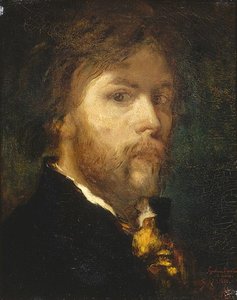
Gustave Moreau

Gustave Moreau

1826 - 1898 , Fransa

Kısa Bilgiler

  • Artistic Movement Or Style: Sembolizm
  • Artists Who Influenced This Artist:
    • Eugène Delacroix
    • Michelangelo
    • Leonardo da Vinci
  • Date Of Birth: 6 Nisan 1826
  • Date Of Death: 18 Nisan 1898
  • Full Name: Gustave Moreau
  • Nationality: Fransa
  • Notable Artworks:
    • Salome Dansante devant Hérod
    • Jupiter et Sémèle
    • Orphée
  • Place Of Birth: Paris, Fransa