x

Hızlı üretim ve esnek bitiş seçenekleriyle müze kalitesinde giclée veya kanvas baskı. ( El boyaması versiyona geç Görsele Geç)





























Eserin orijinal oranlarıyla uyumlu, önceden belirlenmiş boyutlarımız arasından seçim yapın.

Belirli bir çerçeveye veya alana uyması için kendi ölçülerinizi girebilirsiniz. Seçtiğiniz boyut orijinal görüntünün oranlarıyla eşleşmiyorsa, sanat eserini kırpacağız veya görüntüyü aynalanmış ya da düz dolgulu bir kenarlıkla genişleteceğiz. Üretim başlamadan önce onayınız için bir dijital taslak gönderilecektir.
Lütfen ekrandaki önizlemenin gerçek kırpma veya genişletmeyi yansıtmadığını unutmayın. Nihai kompozisyonu yalnızca taslak doğru bir şekilde gösterecektir.
Özel boyutlar mevcut olsa da, orijinal oranları korumak için önceden tanımlanmış listeden bir boyut seçmenizi öneririz.
Dünya Çapında Teslimat (); standart 4/5 hafta yerine 2 haftada. (11 Ağustos)


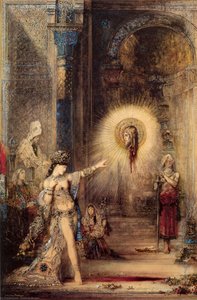
Sultane
Reproduksiyon Boyutu
Gustave Moreau's *Sultane*, painted during his most intensely Symbolist period, is not merely a depiction of a man in red; it’s an immersion into a world of veiled secrets and potent symbolism. Created between 1882 and 1885, this enigmatic work embodies the core tenets of the Symbolist movement – a deliberate rejection of objective representation in favor of exploring subjective emotions, spiritual ideas, and fantastical narratives. Moreau, deeply influenced by mythology, religion, and the burgeoning field of psychology, sought to evoke an atmosphere of dreamlike intensity rather than offering a straightforward visual record.
Moreau's *Sultane* is deeply rooted in the Symbolist fascination with ancient myths and religious iconography. Sultan Ibrahim Effendi himself was a renowned collector of oriental artifacts, including a famed collection of Persian carpets, which heavily influenced Moreau’s artistic vision. The scene evokes elements of the Ottoman court, but more importantly, it functions as a symbolic representation of power, knowledge, and perhaps even madness. The raised hands of the Sultan suggest a moment of revelation or contemplation – a descent into the subconscious. The kneeling attendant could represent submission, obedience, or perhaps a conduit for divine inspiration.
Beyond its immediate visual impact, *Sultane* is laden with symbolic meaning. The Sultan’s raised hands can be interpreted as a gesture of prayer, contemplation, or even madness – a common motif in Symbolist art. The kneeling attendant represents subservience and loyalty, but also potentially the vulnerability of those who seek knowledge. The overall composition suggests a fragmented narrative, inviting viewers to actively participate in constructing their own interpretations. Moreau deliberately avoided providing clear answers, preferring instead to stimulate the viewer’s imagination and emotional response.

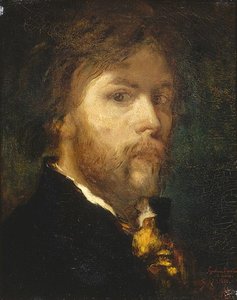
1826 - 1898 , Fransa

Explore the evocative world of Symbolist painting. Discover how masters like Gustave Moreau rejected realism to capture dreams, myths, and the subconscious through fine art history and expert analysis.

Explore the profound history and technical mastery of woodcut relief printing. From ancient origins to German Expressionism, discover how artists use the subtractive process to create iconic works. A definitive guide for art students, collectors, and historians.

Discover the technical mastery behind Most-Famous-Paintings.com's premium Giclée canvas prints. Our guide for elite collectors explores archival pigment inks, museum-grade substrates, and the science of high-fidelity reproduction to ensure lasting beauty and historical accuracy.


En son sanat haberlerinden, özel tekliflerden ve dekorasyon fikirlerinden haberdar olun.
Projenizden bize bahsedin; sanat uzmanlarımız size özel 3 sanat eseri önerisi sunsun.
Size Özel 3 Seçeneği Ücretsiz Olarak Hazırlayalım!


 Önizleme yap
 Paylaş
 Paylaş
 Detayları Gör

 İndir
İndir
 Benzerlerini gör
 X-Işını
 Slayt Gösterisi

 Tümünü Gör







 Cam seçeneği yalnızca 110 cm altındaki boyutlar için mevcuttur.