x

Hızlı üretim ve esnek bitiş seçenekleriyle müze kalitesinde giclée veya kanvas baskı. ( El yapımı tablo satın al Görsel satın al)





























Eserin orijinal oranlarıyla uyumlu, önceden belirlenmiş boyutlarımız arasından seçim yapın.

Belirli bir çerçeveye veya alana uyması için kendi ölçülerinizi girebilirsiniz. Seçtiğiniz boyut orijinal görüntünün oranlarıyla eşleşmiyorsa, sanat eserini kırpacağız veya görüntüyü aynalanmış ya da düz dolgulu bir kenarlıkla genişleteceğiz. Üretim başlamadan önce onayınız için bir dijital taslak gönderilecektir.
Lütfen ekrandaki önizlemenin gerçek kırpma veya genişletmeyi yansıtmadığını unutmayın. Nihai kompozisyonu yalnızca taslak doğru bir şekilde gösterecektir.
Özel boyutlar mevcut olsa da, orijinal oranları korumak için önceden tanımlanmış listeden bir boyut seçmenizi öneririz.
Dünya Çapında Teslimat (); standart 4/5 hafta yerine 2 haftada. (20 Ağustos)


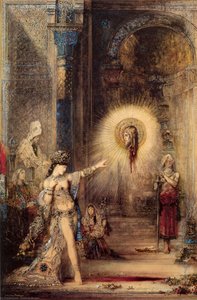
Tête d'Orphée
Reproduksiyon Boyutu
Gustave Moreau’s “Tête d'Orphée” (Head of Orpheus) is not merely a portrait; it’s an immersion. Painted during the heart of the Symbolist movement in late 19th-century Paris, this oil on canvas transcends simple representation, offering instead a profound meditation on myth, emotion, and the human condition. The painting depicts a woman – her identity deliberately obscured – framed by a richly detailed forest backdrop, immediately establishing a connection to ancient narratives and the power of storytelling. Moreau’s work, deeply rooted in the traditions of academic art training yet radically independent in its aims, sought to evoke not what was seen, but what *felt*—a core tenet of Symbolism.
Moreau's artistic vision was profoundly influenced by the intellectual currents of his time. He rejected the objective realism championed by movements like Impressionism, instead embracing a subjective approach rooted in Romanticism and the burgeoning field of psychology. He drew heavily from classical mythology, medieval symbolism, and esoteric traditions – elements that would become hallmarks of the Symbolist style. This wasn’t about depicting a literal scene; it was about conveying an *idea*, a mood, a spiritual resonance. The painting's title itself, “Head of Orpheus,” suggests a focus on the musician’s soul, his ability to move and inspire, rather than simply his physical appearance.
“Tête d'Orphée” is saturated with symbolic meaning. The woman herself can be interpreted as representing both earthly beauty and divine inspiration. The forest, a recurring motif in Moreau’s work, symbolizes the unconscious mind—a realm of hidden emotions and forgotten memories. The necklace, a subtle detail, might allude to Orpheus's lyre, or perhaps to a connection with the spiritual world. More than just a beautiful image, this painting evokes a powerful sense of melancholy, longing, and contemplation – qualities that are central to the Symbolist aesthetic. The overall effect is one of profound introspection, inviting the viewer to confront their own emotions and beliefs.
Moreau’s “Tête d'Orphée” remains a captivating work of art, demonstrating his mastery of technique and his ability to tap into universal themes. Its evocative imagery and profound symbolism continue to resonate with audiences today. Most-Famous-Paintings.com offers meticulously crafted hand-painted reproductions that faithfully capture the beauty and depth of this iconic Symbolist masterpiece, allowing you to bring its timeless allure into your home or office.
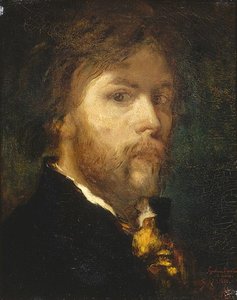
1826 - 1898 , Fransa

Explore the evocative world of Symbolist painting. Discover how masters like Gustave Moreau rejected realism to capture dreams, myths, and the subconscious through fine art history and expert analysis.

Elevate your collection with Most-Famous-Paintings.com. Discover the exquisite differences between our hand-painted oil reproductions, archival Giclée canvases, and fine art prints. Expert guidance for discerning collectors seeking museum-quality mastery and bespoke artistry.

Unlock your creative potential with Most-Famous-Paintings. Learn how art students and creators can scale their business through premium oil reproductions, print-on-demand royalties, and global distribution of their artistic legacy.


En son sanat haberlerinden, özel tekliflerden ve dekorasyon fikirlerinden haberdar olun.
Projenizden bize bahsedin; sanat uzmanlarımız size özel 3 sanat eseri önerisi sunsun.
Size Özel 3 Seçeneği Ücretsiz Olarak Hazırlayalım!


 Önizleme yap
 Paylaş
 Paylaş
 Detayları Gör

 İndir
İndir
 Benzerlerini gör
 X-Işını
 Slayt Gösterisi

 Tümünü Gör







 Cam seçeneği yalnızca 110 cm altındaki boyutlar için mevcuttur.