x

 Acrylic On CanvasWallArtFauvist Expressionism
 1902
1902 64.0 x 46.0 cm
Hızlı üretim ve esnek bitiş seçenekleriyle müze kalitesinde giclée veya kanvas baskı. ( El yapımı tablo satın al Görsel satın al)





























Eserin orijinal oranlarıyla uyumlu, önceden belirlenmiş boyutlarımız arasından seçim yapın.

Belirli bir çerçeveye veya alana uyması için kendi ölçülerinizi girebilirsiniz. Seçtiğiniz boyut orijinal görüntünün oranlarıyla eşleşmiyorsa, sanat eserini kırpacağız veya görüntüyü aynalanmış ya da düz dolgulu bir kenarlıkla genişleteceğiz. Üretim başlamadan önce onayınız için bir dijital taslak gönderilecektir.
Lütfen ekrandaki önizlemenin gerçek kırpma veya genişletmeyi yansıtmadığını unutmayın. Nihai kompozisyonu yalnızca taslak doğru bir şekilde gösterecektir.
Özel boyutlar mevcut olsa da, orijinal oranları korumak için önceden tanımlanmış listeden bir boyut seçmenizi öneririz.
Dünya Çapında Teslimat (); standart 4/5 hafta yerine 2 haftada. (19 Ağustos)


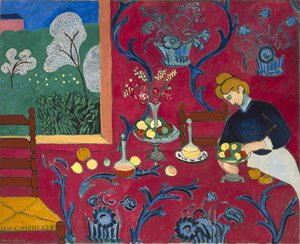
Still Life
Reproduksiyon Boyutu
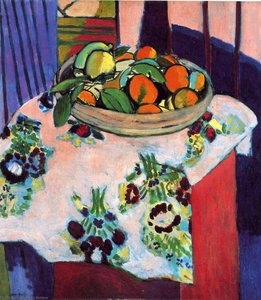
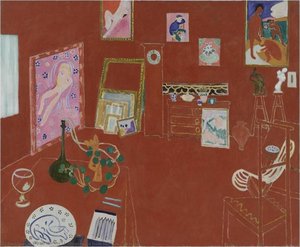
Henri Matisse’s “Still Life,” painted in 1902, stands as a cornerstone of the Fauvist movement—a radical departure from Impressionism that championed pure color and expressive brushstrokes above meticulous representation. This deceptively simple composition captures a moment of domestic tranquility: a table laden with earthenware bowls, cups, and vases overflowing with blossoms, alongside scattered apples offering textural contrast.
Matisse’s technique is instantly recognizable. Abandoning the subtle gradations of light and shadow favored by his predecessors, he applied pigment directly onto the canvas in bold, unmixed hues—primarily reds, yellows, and blues—creating a vibrant tapestry that assaults the senses with its intensity. This deliberate disregard for naturalistic color was intended to convey emotion rather than merely depict what the eye sees. As Matisse himself famously stated, “I want to paint what I see, not what I think.”
The painting’s genesis lies in a period of significant artistic experimentation. Following his convalescence from appendicitis, Matisse rediscovered painting as a passion and enrolled at the École Nationale des Beaux-Arts. Influenced by Cézanne's geometric simplification and Gauguin’s expressive use of color, he began to forge his own distinctive style—one that would soon propel him to international acclaim.
Beyond its visual dynamism, “Still Life” carries subtle symbolic weight. The flowers represent beauty and fragility, mirroring the fleeting nature of life itself. The apples symbolize ripeness and abundance, yet their scattered placement introduces an element of disorder—perhaps hinting at the complexities inherent in everyday existence. Matisse’s masterful control over color and form elevates this seemingly commonplace subject into a profound meditation on artistic expression.
"Still Life" isn't merely a visual spectacle; it evokes a feeling of warmth, serenity, and joy. The artist’s confident brushstrokes convey an unwavering belief in the transformative power of color—a conviction that continues to inspire artists and collectors alike. Reproductions of this iconic artwork offer a captivating glimpse into Matisse’s artistic vision and its enduring legacy.


1869 - 1954 , Fransa

Explore the profound evolution of Post-Impressionist landscapes. From Van Gogh's emotional brushwork to Cézanne's structural mastery, discover how these visionaries redefined art history through color and form in this expert guide for fine art enthusiasts.

Explore the transformative era of Post-Impressionism. Discover how masters like Van Gogh moved beyond light to embrace emotion, structure, and vibrant color, redefining modern art history through expressive brushwork and symbolic depth.


En son sanat haberlerinden, özel tekliflerden ve dekorasyon fikirlerinden haberdar olun.
Projenizden bize bahsedin; sanat uzmanlarımız size özel 3 sanat eseri önerisi sunsun.
Size Özel 3 Seçeneği Ücretsiz Olarak Hazırlayalım!


 Önizleme yap
 Paylaş
 Paylaş
 Detayları Gör

 İndir
İndir
 Benzerlerini gör
 X-Işını
 Slayt Gösterisi
 Tümünü Gör







 Cam seçeneği yalnızca 110 cm altındaki boyutlar için mevcuttur.