


x

 Tuval Üzerine Akrilik BoyaDuvar SanatıFauvism
 1938Modern
 46.0 x 38.0 cm
Hızlı üretim ve esnek bitiş seçenekleriyle müze kalitesinde giclée veya kanvas baskı. ( El yapımı tablo satın al Görsel satın al)





























Eserin orijinal oranlarıyla uyumlu, önceden belirlenmiş boyutlarımız arasından seçim yapın.

Belirli bir çerçeveye veya alana uyması için kendi ölçülerinizi girebilirsiniz. Seçtiğiniz boyut orijinal görüntünün oranlarıyla eşleşmiyorsa, sanat eserini kırpacağız veya görüntüyü aynalanmış ya da düz dolgulu bir kenarlıkla genişleteceğiz. Üretim başlamadan önce onayınız için bir dijital taslak gönderilecektir.
Lütfen ekrandaki önizlemenin gerçek kırpma veya genişletmeyi yansıtmadığını unutmayın. Nihai kompozisyonu yalnızca taslak doğru bir şekilde gösterecektir.
Özel boyutlar mevcut olsa da, orijinal oranları korumak için önceden tanımlanmış listeden bir boyut seçmenizi öneririz.
Dünya Çapında Teslimat (); standart 4/5 hafta yerine 2 haftada. (22 Ağustos)


The Arm
Reproduksiyon Boyutu
Henri Matisse’s “The Arm,” painted in 1938, isn't merely a depiction of a woman’s limb; it’s an explosion of vibrant emotion rendered with the audacious spirit that defined the Fauvist movement. This intimate yet powerfully expressive work immediately commands attention, drawing the viewer into a world where color reigns supreme and traditional representational concerns are delightfully abandoned. The painting captures a fleeting moment – perhaps a gesture, a contemplation – imbued with a sense of intense feeling through Matisse’s masterful manipulation of hue and brushstroke. It's a testament to his belief that color itself could be a subject, capable of conveying mood, emotion, and even narrative.

At first glance, the composition appears deceptively simple: a green dress against a backdrop of blue. However, this is precisely where Matisse’s genius lies. He doesn't merely paint colors; he orchestrates them. The intense emerald green of the dress vibrates against the cool, almost ethereal blue of the background, creating a dynamic tension that immediately grabs the eye. These aren’t naturalistic shades; they are deliberately heightened and saturated, characteristic of Fauvist technique. Notice how Matisse employs thick, visible brushstrokes – a deliberate rejection of illusionism – to build up layers of color and texture. The interplay between these bold hues generates a palpable sense of energy and movement, suggesting not just the form of the arm but also the underlying passion within.
“The Arm” is a quintessential example of Fauvist art, a movement that emerged around 1904 and profoundly challenged the established conventions of painting. The term “Fauve,” meaning “wild beast,” aptly describes this style’s unrestrained use of color and its rejection of academic realism. Matisse, along with André Derain, spearheaded this revolution, prioritizing expressive power over accurate representation. This wasn't about depicting reality; it was about conveying feeling through the language of color. The painting reflects a shift towards subjective experience, where the artist’s emotional response becomes paramount. It’s important to note that Matisse’s work in Fauvism built upon earlier influences, particularly the Impressionists and Post-Impressionists, but he pushed these ideas to their most radical conclusion.
Beyond its purely Fauvist qualities, “The Arm” also reveals subtle echoes of Orientalist themes – a stylistic influence that was prevalent in Matisse’s work. The use of bold patterns and vibrant colors reminiscent of Middle Eastern textiles suggests an awareness of the exotic and the sensual. However, unlike traditional Orientalist paintings, which often depicted idealized or romanticized scenes, Matisse's approach is far more direct and emotionally charged. The painting transcends its specific influences, offering a universal exploration of human form and emotion—a testament to Matisse’s ability to distill complex ideas into a single, captivating image. It invites contemplation on themes of beauty, desire, and the power of color to evoke profound feelings.


1869 - 1954 , Fransa
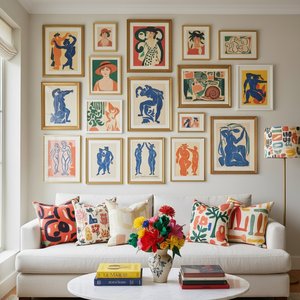
Henri Matisse'ın en ikonik 25 eserini keşfedin! Fauvism akımının öncüsü olan bu modern sanat dehasının renkli dünyasına yolculuk yapın. Sanat baskıları ve ev dekorasyonu için Most-Famous-Paintings.com'da ilham alın. Koleksiyonu şimdi keşfedin!

Explore 10 Fauvist masterpieces by Matisse, Derain & Vlaminck that ignited Modern Art! Discover bold colors, expressionist landscapes & the history of this revolutionary movement. Find museum-quality prints at Most-Famous-Paintings.com.
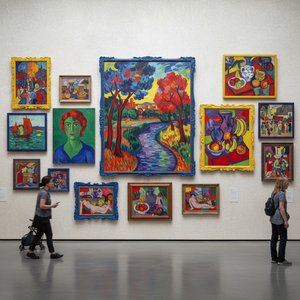
Fauvizm'in en etkileyici 10 başyapıtını keşfedin! Matisse, Derain ve Vlamink gibi ustaların renkli dünyasına dalın. Sanat tarihi, ifadeci sanat ve ev dekorasyonunda fauvist esintiler... Most-Famous-Paintings.com’da tüm eserleri inceleyin!

Immerse yourself in the captivating world of slate blue! Explore 10 iconic paintings by Monet, Van Gogh & Renoir. Discover their stories, techniques & find museum-quality art reproductions for your home at .

Explore the rich history & symbolism of green in art! Discover iconic paintings, techniques, and how to bring verdant harmony into your home with Most-Famous-Paintings's expert guide.


En son sanat haberlerinden, özel tekliflerden ve dekorasyon fikirlerinden haberdar olun.
Projenizden bize bahsedin; sanat uzmanlarımız size özel 3 sanat eseri önerisi sunsun.
Size Özel 3 Seçeneği Ücretsiz Olarak Hazırlayalım!


 Önizleme yap
 Paylaş
 Paylaş
 Detayları Gör

 İndir
İndir
 Benzerlerini gör
 X-Işını
 Slayt Gösterisi
 Tümünü Gör







 Cam seçeneği yalnızca 110 cm altındaki boyutlar için mevcuttur.


