x

Hızlı üretim ve esnek bitiş seçenekleriyle müze kalitesinde giclée veya kanvas baskı. ( El yapımı tablo satın al Görsel satın al)





























Eserin orijinal oranlarıyla uyumlu, önceden belirlenmiş boyutlarımız arasından seçim yapın.

Belirli bir çerçeveye veya alana uyması için kendi ölçülerinizi girebilirsiniz. Seçtiğiniz boyut orijinal görüntünün oranlarıyla eşleşmiyorsa, sanat eserini kırpacağız veya görüntüyü aynalanmış ya da düz dolgulu bir kenarlıkla genişleteceğiz. Üretim başlamadan önce onayınız için bir dijital taslak gönderilecektir.
Lütfen ekrandaki önizlemenin gerçek kırpma veya genişletmeyi yansıtmadığını unutmayın. Nihai kompozisyonu yalnızca taslak doğru bir şekilde gösterecektir.
Özel boyutlar mevcut olsa da, orijinal oranları korumak için önceden tanımlanmış listeden bir boyut seçmenizi öneririz.
Dünya Çapında Teslimat (); standart 4/5 hafta yerine 2 haftada. (19 Ağustos)


untitled (3432)
Reproduksiyon Boyutu
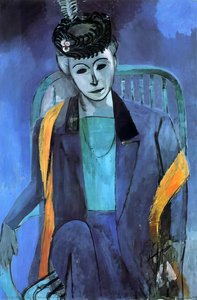
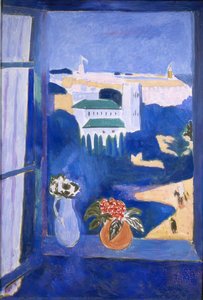
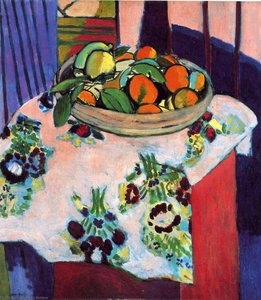
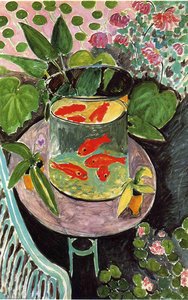
Henri Matisse (1869-1954) stands as one of the most influential figures in 20th-century art, a painter whose unwavering devotion to color revolutionized artistic expression. Born in Le Cateau-Cambrésis, France, Matisse initially pursued law but swiftly abandoned it for the liberating embrace of painting after a debilitating illness – an experience that profoundly shaped his artistic vision.
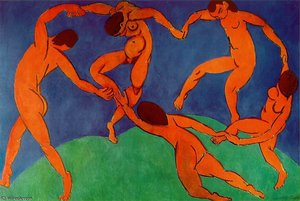
His early works demonstrated Impressionistic tendencies, capturing fleeting moments of light and atmosphere with delicate brushstrokes. However, Matisse’s breakthrough arrived in 1905 with “The Dance,” marking the genesis of Fauvism—a movement he spearheaded alongside André Derain and Maurice Denis. This bold stylistic choice distinguished itself from its predecessors by rejecting naturalistic representation in favor of vibrant, unmodulated hues, prioritizing emotional impact over photographic accuracy.
"The Dance," housed in Tate Modern, exemplifies Matisse’s masterful manipulation of color palettes—a dazzling interplay of reds, yellows, and blues that pulsates with energy. The figures are stylized, almost abstracted, yet convey a palpable sense of movement and rhythm. Matisse deliberately avoided blending colors, opting instead for juxtaposing them directly on the canvas to achieve maximum visual intensity.
Matisse’s technique was characterized by meticulous layering of paint—often applied in thin glazes over underlayers—creating luminous surfaces that shimmer with reflected light. He favored oil paints, meticulously blending pigments to achieve subtle tonal variations while maintaining the vibrancy of his chosen colors. Furthermore, Matisse experimented extensively with collage techniques, incorporating paper cutouts and textured fabrics into his compositions.
His use of collage wasn’t merely decorative; it served as a crucial element in conveying mood and atmosphere. The incorporation of organic materials—such as jute and burlap—added tactile dimension to the artwork, grounding its ethereal colors in tangible reality. This approach reflects Matisse's belief that art should engage all senses, fostering contemplation and emotional resonance.
Throughout his prolific career, Matisse explored themes of joy, beauty, and spirituality—often expressed through depictions of figures engaged in simple activities like dancing or gardening. These scenes are imbued with a profound sense of serenity and optimism, reflecting Matisse’s personal philosophy that “happiness is the goal.”
Consider "Still Life with Guitar," currently residing in The Metropolitan Museum of Art. The composition—featuring a guitar, a vase of flowers, and a draped cloth—is rendered in Matisse's signature palette of warm reds and yellows. These colors evoke feelings of warmth, comfort, and vitality, inviting viewers to savor the beauty of everyday life.
Henri Matisse’s influence extends far beyond his own artistic output. He championed a humanist aesthetic that prioritized expressive color and form over academic conventions—inspiring generations of artists who followed him. His unwavering commitment to experimentation and innovation cemented his place as a cornerstone of modern art, ensuring that “The Dance” and countless other masterpieces continue to captivate audiences worldwide.
Reproductions of Matisse’s paintings offer an unparalleled opportunity to experience the transformative power of color firsthand—bringing a touch of Matisse's radiant vision into any interior space. Explore Most-Famous-Paintings.com for exceptional quality reproductions that capture the essence of his artistic legacy.


1869 - 1954 , Fransa

Explore the vibrant revolution of Fauvism. Discover how masters like Henri Matisse liberated color from reality to express pure emotion. A deep dive into art history for students and collectors seeking to understand the 'Wild Beasts' of modern art.


En son sanat haberlerinden, özel tekliflerden ve dekorasyon fikirlerinden haberdar olun.
Projenizden bize bahsedin; sanat uzmanlarımız size özel 3 sanat eseri önerisi sunsun.
Size Özel 3 Seçeneği Ücretsiz Olarak Hazırlayalım!


 Önizleme yap
 Paylaş
 Paylaş
 Detayları Gör

 İndir
İndir
 Benzerlerini gör
 X-Işını
 Slayt Gösterisi
 Tümünü Gör







 Cam seçeneği yalnızca 110 cm altındaki boyutlar için mevcuttur.