


x

Sanatçılarımız tarafından sipariş üzerine hazırlanan; istediğiniz boyut ve çerçevede, tuval üzerine el boyaması yağlı boya. ( Baskı satın al Görsel satın al)





























Eserin orijinal oranlarıyla uyumlu, önceden belirlenmiş boyutlarımız arasından seçim yapın.

Belirli bir çerçeveye veya alana uyması için kendi boyutlarınızı girebilirsiniz. Seçtiğiniz boyut orijinal görüntünün oranlarıyla eşleşmiyorsa, sanat eserini kırparak veya ek el boyaması öğelerle resmi uzatarak ayarlayacağız. Üretim başlamadan önce onayınız için dijital bir taslak gönderilecektir.
Lütfen ekrandaki önizlemenin gerçek kırpmayı veya uzatmayı yansıtmadığını unutmayın. Nihai kompozisyonu yalnızca hazırlanan taslak doğru şekilde gösterecektir.
Özel boyutlar mevcut olsa da, orijinal oranları korumak adına önceden tanımlanmış listeden bir boyut seçmenizi öneririz.
Dünya Çapında Teslimat (); standart 5 hafta yerine 3/4 haftada. (23 Ağustos). Kaliteden ödün verilmez.


Atlantic Codex (Codex Atlanticus), f. 1069 recto.
Reproduksiyon Boyutu
Within the vast archives of the Biblioteca Ambrosiana in Milan resides a treasure unlike any other – folio 1069 recto from Leonardo da Vinci's *Codex Atlanticus*. This monochrome sketch, rendered on aged parchment with meticulous precision, isn’t merely a drawing; it’s a direct portal into the mind of one of history’s most brilliant polymaths. Dating back to 1482, this page encapsulates Leonardo’s relentless pursuit of knowledge across disciplines – engineering, mechanics, hydraulics, and even philosophy – revealing a visionary far ahead of his time.
The image is dominated by a densely packed network of interconnected designs: gears, pulleys, levers, and other complex contraptions arranged seemingly at random. There's no single focal point; instead, the viewer is invited to trace the intricate pathways of Leonardo’s thought process. Thin lines, indicative of careful drafting with pen or stylus, define geometric shapes – circles, squares, triangles – representing the fundamental components of his inventive mind. The texture of the parchment itself adds a layer of authenticity and historical weight, evoking the atmosphere of a scholar's workspace centuries ago.
This sketch exemplifies the distinctive style of Renaissance technical drawing, prioritizing accuracy and detail over purely aesthetic considerations. Leonardo’s approach wasn’t about creating a beautiful image; it was about documenting and understanding complex systems. The deliberate lack of shading or color emphasizes the schematic nature of the design, focusing attention on the precise relationships between its elements. This technique reflects the prevailing scientific spirit of the era – an obsession with observation, measurement, and rational analysis.
The dry sketching method employed—likely using charcoal or ink—highlights Leonardo’s preference for direct representation. Unlike later artistic styles that layered paint to create illusionistic depth, Leonardo sought to capture reality through a series of carefully drawn lines, creating a sense of tangible construction. The rudimentary perspective further reinforces the sketch's preliminary status – a working model rather than a finished rendering, revealing the iterative nature of Leonardo’s creative process.
More than just a collection of mechanical designs, folio 1069 recto embodies Leonardo’s profound intellectual curiosity. The drawings depict a range of ambitious projects – devices for breathing underwater with a float, machines to lift and pump water, and even colossal cochleas intended to draw water from rivers. These weren't idle fantasies; they were tangible explorations of possibilities, reflecting Leonardo’s desire to harness the power of nature through ingenious engineering.
The *Codex Atlanticus* as a whole represents Leonardo’s relentless pursuit of knowledge and understanding through observation and design. It is a testament to his belief that art and science are not separate disciplines but rather complementary pathways to truth. This single folio offers a rare glimpse into the mind of a genius, inviting us to contemplate the boundless potential of human ingenuity and the enduring legacy of Leonardo da Vinci.

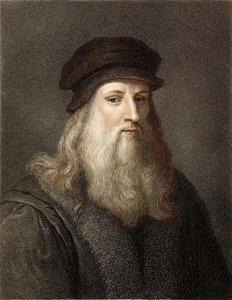
1452 - 1519 , İtalya

Explore the profound genius of the Renaissance Trinity. Delve into a comparative study of Leonardo da Vinci, Michelangelo, and Raphael, uncovering their unique contributions to art history, technique, and the enduring legacy of Italian High Renaissance mastery.


En son sanat haberlerinden, özel tekliflerden ve dekorasyon fikirlerinden haberdar olun.
Projenizden bize bahsedin; sanat uzmanlarımız size özel 3 sanat eseri önerisi sunsun.
Size Özel 3 Seçeneği Ücretsiz Olarak Hazırlayalım!


 Önizleme yap
 Paylaş
 Paylaş
 Detayları Gör

 İndir
İndir
 Benzerlerini gör
 X-Işını
 Slayt Gösterisi

 Tümünü Gör







 Cam seçeneği yalnızca 110 cm altındaki boyutlar için mevcuttur.


