x


 Tabloyu Sipariş Et Görseli Satın Al
 Paylaş
 Detayları Gör
 Favorilere ekle
 İndir
İndir
 Benzerlerini gör
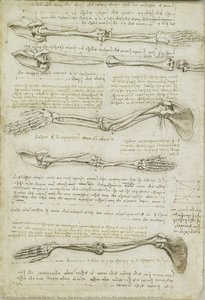
 X-Işını
 Slayt Gösterisi
Hızlı üretim ve esnek bitiş seçenekleriyle müze kalitesinde giclée veya kanvas baskı.





























Eserin orijinal oranlarıyla uyumlu, önceden belirlenmiş boyutlarımız arasından seçim yapın.

Belirli bir çerçeveye veya alana uyması için kendi ölçülerinizi girebilirsiniz. Seçtiğiniz boyut orijinal görüntünün oranlarıyla eşleşmiyorsa, sanat eserini kırpacağız veya görüntüyü aynalanmış ya da düz dolgulu bir kenarlıkla genişleteceğiz. Üretim başlamadan önce onayınız için bir dijital taslak gönderilecektir.
Lütfen ekrandaki önizlemenin gerçek kırpma veya genişletmeyi yansıtmadığını unutmayın. Nihai kompozisyonu yalnızca taslak doğru bir şekilde gösterecektir.
Özel boyutlar mevcut olsa da, orijinal oranları korumak için önceden tanımlanmış listeden bir boyut seçmenizi öneririz.
Dünya Çapında Teslimat (); standart 4/5 hafta yerine 2 haftada. (22 Temmuz)


Ceiling decoration
Reproduksiyon Boyutu
Within the imposing Castello Sforzesco in Milan resides a fresco that transcends mere decoration—it is a meticulously crafted microcosm, a testament to Leonardo da Vinci’s boundless curiosity and artistic genius. Known as “Sala delle Asse” (Room of the Tower), this ceiling decoration, completed between 1496 and 1498, represents far more than just a painted surface; it embodies a profound exploration of nature, geometry, and the human condition. Commissioned by Ludovico Sforza, Duke of Milan, as part of his ambitious plan to transform the castle into a family mausoleum, the fresco was initially intended to adorn the chapel’s vaulted ceiling. Leonardo, already a celebrated artist in Florence, was invited to Milan, where he found himself unexpectedly tasked with this monumental project – a shift from his usual focus on portraiture and narrative scenes.
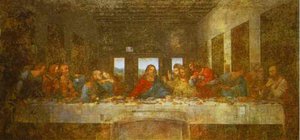
The creation of “Sala delle Asse” coincided with a pivotal moment in Leonardo’s career. He had recently completed the ‘Last Supper,’ a work that demanded an entirely new approach to painting—one that prioritized capturing fleeting expressions and dramatic moments rather than traditional, idealized representations. This experience undoubtedly informed his meticulous planning for the ceiling, which he approached with the same scientific rigor and observational acuity that characterized his anatomical studies and engineering designs. The project’s timeline was fraught with challenges; Leonardo's inconsistent schedule and frequent revisions led to a protracted process, ultimately requiring significant intervention from assistants.
What immediately captivates the viewer is the astonishing illusion of depth and space created within the relatively small confines of the Sala delle Asse. Leonardo masterfully employs a complex system of perspective to render a dense, interwoven forest that appears to erupt from the walls themselves. The composition is dominated by towering tree trunks, their branches reaching upwards towards the lunettes (triangular spaces) above, forming a verdant canopy that blankets the ceiling. Interspersed amongst these colossal trees are delicate flowering plants and fruiting vines, creating a vibrant tapestry of life.
Leonardo’s technique is equally remarkable. He utilized tempera paint on a gessoed wall, a method less forgiving than fresco painting, allowing for greater flexibility in altering the design as he worked. The meticulous layering of colors and the subtle blending create an astonishingly realistic effect—one that invites the viewer to step into this imagined woodland realm. The use of monochrome elements – particularly the roots penetrating layers of rock – adds a layer of symbolic depth, hinting at themes of growth, decay, and the interconnectedness of all things.
Beyond its purely aesthetic qualities, “Sala delle Asse” is rich in symbolism. The forest itself can be interpreted as a metaphor for the human soul—a complex and dynamic entity constantly striving for growth and enlightenment. The intertwining branches represent the interconnectedness of all living things, while the flowering plants symbolize beauty, fertility, and spiritual renewal. The presence of roots suggests an underlying connection to the earth, reminding us of our origins and grounding.
Leonardo’s fascination with nature is evident throughout the fresco. He meticulously studied plant life, documenting its forms and patterns in his notebooks. “Sala delle Asse” can be seen as a culmination of this research—a visual representation of his deep understanding of the natural world. The composition also subtly references classical mythology, particularly the story of Daphne, who transformed herself into a laurel tree to escape Apollo’s pursuit. This allusion adds another layer of meaning to the fresco, suggesting themes of transformation and metamorphosis.
“Sala delle Asse” is more than just a beautiful painting; it's an immersive experience—a testament to Leonardo da Vinci’s unparalleled artistic vision. The fresco evokes a sense of awe, wonder, and quiet contemplation. The sheer scale of the composition, combined with its intricate detail and masterful illusionism, creates a truly unforgettable spectacle. It is a reminder of the power of art to transport us beyond our everyday lives and into realms of imagination and beauty.
Today, “Sala delle Asse” continues to captivate audiences around the world. Reproductions of this extraordinary fresco offer a glimpse into Leonardo’s genius—a chance to experience firsthand the magic of his creative mind. Whether viewed in person or through a high-quality print, this masterpiece remains a timeless symbol of human ingenuity and artistic achievement.


1452 - 1519 , İtalya

Commission breathtaking bespoke fantasy art with skilled oil painters. Explore techniques, artist selection & preservation tips. Invest in a unique masterpiece today!

Transform your cherished photos into timeless oil paintings with Most-Famous-Paintings's expert artists. Museum-quality reproductions & custom portraits, crafted to last a lifetime. Discover the art of personal legacy.

Explore 10 Renaissance Humanism masterpieces by Leonardo da Vinci, Michelangelo & Raphael. Discover the stories behind these iconic paintings & sculptures and bring timeless art into your home with museum-quality reproductions from Most-Famous-Paintings.com. Explore the full collection online!
Raffaello'nun en iyi 25 eserini keşfedin! Rönesans sanatının zirvesinden ikonik tablolar, freskler ve portrelerin hikayelerini okuyun. Ev dekorasyonunuz için yüksek çözünürlüklü sanat baskıları Most-Famous-Paintings'ta. Koleksiyonu şimdi keşfedin!

Journey through art history with our Top 10 oil paintings! Explore iconic works by Van Gogh, Monet & Rembrandt. Discover timeless masterpieces and find museum-quality reproductions for your home at .


En son sanat haberlerinden, özel tekliflerden ve dekorasyon fikirlerinden haberdar olun.
Projenizden bize bahsedin; sanat uzmanlarımız size özel 3 sanat eseri önerisi sunsun.
Size Özel 3 Seçeneği Ücretsiz Olarak Hazırlayalım!


 Paylaş


 Tümünü Gör







 Cam seçeneği yalnızca 110 cm altındaki boyutlar için mevcuttur.