x

 Baskıyı satın al Görseli Satın Al
 Paylaş
 Detayları Gör
 Favorilere ekle
 İndir
İndir
 Benzerlerini gör
 X-Işını
 Slayt Gösterisi
 Panel Üzerine Yağlı BoyaItalian Renaissance
 1480Rönesans
 103.0 x 75.0 cm
 Pinacoteca Vaticana
Sanatçılarımız tarafından sipariş üzerine hazırlanan; istediğiniz boyut ve çerçevede, tuval üzerine el boyaması yağlı boya.





























Eserin orijinal oranlarıyla uyumlu, önceden belirlenmiş boyutlarımız arasından seçim yapın.

Belirli bir çerçeveye veya alana uyması için kendi boyutlarınızı girebilirsiniz. Seçtiğiniz boyut orijinal görüntünün oranlarıyla eşleşmiyorsa, sanat eserini kırparak veya ek el boyaması öğelerle resmi uzatarak ayarlayacağız. Üretim başlamadan önce onayınız için dijital bir taslak gönderilecektir.
Lütfen ekrandaki önizlemenin gerçek kırpmayı veya uzatmayı yansıtmadığını unutmayın. Nihai kompozisyonu yalnızca hazırlanan taslak doğru şekilde gösterecektir.
Özel boyutlar mevcut olsa da, orijinal oranları korumak adına önceden tanımlanmış listeden bir boyut seçmenizi öneririz.
Dünya Çapında Teslimat (); standart 5 hafta yerine 3/4 haftada. (18 Temmuz). Kaliteden ödün verilmez.


St Jerome
Reproduksiyon Boyutu
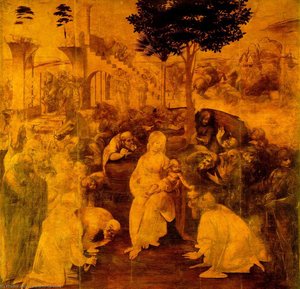
Leonardo da Vinci’s “St Jerome in the Wilderness,” painted around 1480, is more than just a religious depiction; it's a profound exploration of human spirituality and an intriguing window into the artist's own psyche. Housed within the Pinacoteca Vaticana, this unfinished masterpiece offers a unique perspective on da Vinci’s artistic process and his evolving style during the High Renaissance.
The painting portrays St. Jerome, the renowned theologian and translator of the Bible, seated amidst a desolate landscape. He is depicted as an aged hermit, deeply engrossed in contemplation. Da Vinci masterfully employs sfumato, his signature technique of blurring lines and softening transitions to create a hazy, atmospheric effect. This lends a dreamlike quality to the scene, enhancing the sense of solitude and introspection. The composition is drafted in monochrome onto the primed wooden panel, showcasing da Vinci’s experimental approach. The use of light and shadow emphasizes Jerome's aged features and the ruggedness of his surroundings. Noticeable are the anatomical studies evident in the rendering of Jerome's neck muscles – a testament to Da Vinci’s scientific curiosity and meticulous observation.
The Italian Renaissance was a period of immense intellectual and artistic flourishing, marked by a renewed interest in classical learning and humanism. Da Vinci, as one of the era's leading figures, embodied this spirit of inquiry. The choice of St. Jerome as a subject reflects the religious fervor of the time, but also allows for exploration of themes like solitude, penance, and intellectual pursuit. Da Vinci’s departure from traditional depictions of St. Jerome – often portrayed in opulent settings – to a stark wilderness setting is significant. It highlights his desire to portray the inner life of the saint rather than external grandeur. The painting's unfinished state provides valuable insight into da Vinci’s working methods, revealing layers of sketches and underpainting that would typically be concealed in a completed work.
The painting is rich with symbolic meaning. St. Jerome is accompanied by a lion, representing both his power over the animal kingdom (legend states he tamed a lion) and a symbol of Christ's strength. The rock he clutches signifies penance and self-mortification – a key aspect of Jerome’s spiritual journey. The distant church faintly sketched in the background hints at Jerome’s aspiration for salvation and his connection to the divine. The barren landscape itself symbolizes the harshness of the desert, representing the challenges and sacrifices inherent in a life dedicated to religious devotion. Even the saint's posture—hunched and weary—speaks volumes about the burdens of spiritual struggle.
“St Jerome in the Wilderness” evokes a profound sense of melancholy and introspection. The painting is not merely a depiction of a saint; it's an exploration of human vulnerability, faith, and the search for meaning. Some art historians suggest that the work reflects da Vinci’s own personal struggles and anxieties, particularly following accusations of sodomy in his youth. Regardless of its biographical context, the painting resonates with viewers through its raw emotional honesty and Da Vinci’s unparalleled ability to capture the complexities of the human spirit.

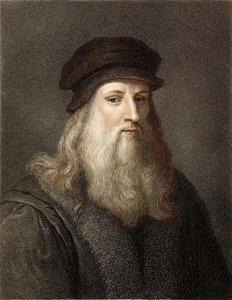
1452 - 1519 , İtalya
Leonardo da Vinci'nin en iyi 25 eserini keşfedin! Rönesans sanatının zirvesinden Mona Lisa, Son Akşam Yemeği ve daha fazlası… Sanat tarihine yolculuk yapın, teknikleri öğrenin. Most-Famous-Paintings.com’da yüksek kaliteli reproduksiyonlarla evinizi zenginleştirin.

Explore 10 Renaissance Humanism masterpieces by Leonardo da Vinci, Michelangelo & Raphael. Discover the stories behind these iconic paintings & sculptures and bring timeless art into your home with museum-quality reproductions from Most-Famous-Paintings.com. Explore the full collection online!

Explore Leonardo da Vinci’s timeless masterpieces with Most-Famous-Paintings. Discover insights into his art, science, and legacy – trusted expertise for discerning collectors seeking authentic reproductions & investment opportunities.

Louvre Müzesi'nin en ikonik 25 eserini keşfedin! Leonardo da Vinci’den antik heykellere, sanat tarihine yolculuk yapın. Ev dekorasyonunuz için ilham alın ve Louvre koleksiyonunun güzelliğini Most-Famous-Paintings.com ile yaşayın.

Floransa Uffizi Galerisi'nin en ikonik 25 eserini keşfedin! Leonardo da Vinci, Botticelli ve Michelangelo gibi Rönesans ustalarının eşsiz tablolarının hikayelerini öğrenin. Sanat tarihiyle dolu bir yolculuk için Most-Famous-Paintings.com'da koleksiyonu inceleyin.


En son sanat haberlerinden, özel tekliflerden ve dekorasyon fikirlerinden haberdar olun.
Projenizden bize bahsedin; sanat uzmanlarımız size özel 3 sanat eseri önerisi sunsun.
Size Özel 3 Seçeneği Ücretsiz Olarak Hazırlayalım!


 Paylaş

 Tümünü Gör







 Cam seçeneği yalnızca 110 cm altındaki boyutlar için mevcuttur.