


x


Hızlı üretim ve esnek bitiş seçenekleriyle müze kalitesinde giclée veya kanvas baskı. ( Switch to hand made Painting Switch to Image)





























Eserin orijinal oranlarıyla uyumlu, önceden belirlenmiş boyutlarımız arasından seçim yapın.

Belirli bir çerçeveye veya alana uyması için kendi ölçülerinizi girebilirsiniz. Seçtiğiniz boyut orijinal görüntünün oranlarıyla eşleşmiyorsa, sanat eserini kırpacağız veya görüntüyü aynalanmış ya da düz dolgulu bir kenarlıkla genişleteceğiz. Üretim başlamadan önce onayınız için bir dijital taslak gönderilecektir.
Lütfen ekrandaki önizlemenin gerçek kırpma veya genişletmeyi yansıtmadığını unutmayın. Nihai kompozisyonu yalnızca taslak doğru bir şekilde gösterecektir.
Özel boyutlar mevcut olsa da, orijinal oranları korumak için önceden tanımlanmış listeden bir boyut seçmenizi öneririz.
Dünya Çapında Teslimat (); standart 4/5 hafta yerine 2 haftada. (29 Temmuz)


Sphere
Reproduksiyon Boyutu
Lucio Fontana's 1957 work, simply titled 'Sphere,' is not merely a depiction of two balls; it’s an intensely felt exploration of space, materiality, and the very act of artistic creation. This seemingly simple composition, executed in black and yellow against a stark white backdrop, embodies the core tenets of Fontana's Spatialism – a movement he pioneered that sought to liberate art from traditional representational constraints by engaging directly with the fourth dimension: space itself. The photograph captures two spheres, one textured and dark, the other smooth and luminous, resting on a plane that feels both solid and infinitely receding. Scattered around them are smaller circles, echoing and amplifying the central theme of expansion and fragmentation.
Born in Rosario, Argentina, in 1899, Lucio Fontana’s artistic trajectory was shaped by a unique duality – his Argentinian heritage and his immersion in European avant-garde movements. Initially trained as a sculptor, influenced by his father's work, Fontana’s early explorations were rooted in traditional form. However, the post-war period witnessed a profound shift in artistic thinking, fueled by developments in physics (Einstein’s theory of relativity) and a growing fascination with the subconscious. This context directly informed Spatialism, which sought to visualize the idea that artists could cut into, puncture, or otherwise transform painted surfaces to reveal the underlying space behind them – a concept profoundly influenced by the notion of infinite space.
Fontana’s technique in ‘Sphere’ is deceptively straightforward. The bold use of contrasting colors—the deep black and vibrant yellow—immediately draws the eye, yet it's the subtle variations in texture that truly elevate the work. The rougher surface of the black sphere suggests a physicality, an engagement with the material itself, while the smoother yellow sphere evokes a sense of luminosity and ethereal quality. This deliberate juxtaposition highlights Fontana’s interest in exploring the relationship between tactile experience and visual perception. The inclusion of smaller circles isn't merely decorative; they function as echoes, reinforcing the idea of expanding space and disrupting any sense of static representation.
'Sphere' resonates with a profound sense of mystery and possibility. It’s a work that invites contemplation about the nature of reality, the limits of perception, and the potential for artistic transformation. The act of presenting these spheres – seemingly simple objects – within this context elevates them to symbols of boundless space and infinite potential. Fontana wasn’t simply painting; he was creating a visual metaphor for a radical shift in how we understand our relationship with the world around us. This piece speaks to a desire for liberation, a yearning to break free from conventional boundaries, and an embrace of the unknown – emotions that continue to resonate powerfully with viewers today.


1899 - 1968 , Arjantin

New York Metropolitan Müzesi'nin en ikonik 25 eserini keşfedin! Van Gogh, Monet ve Rembrandt gibi ustaların hikayelerini öğrenin. Eviniz için sanat baskısı ve dekorasyon fikirleri Most-Famous-Paintings.com'da. Koleksiyonu şimdi inceleyin!
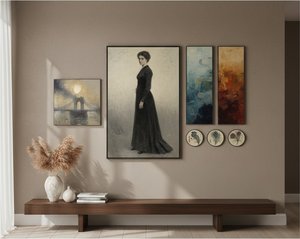
James Abbott McNeill Whistler'ın en iyi 25 eserini keşfedin! Amerikan empresyonizminin öncüsü Whistler'ın nocturne resimleri, portreleri ve sanat tarihine damga vuran diğer başyapıtları Most-Famous-Paintings.com'da. Ev dekorasyonunuz için lüks tabloları inceleyin.
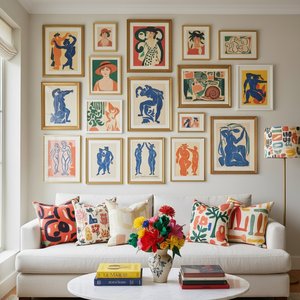
Henri Matisse'ın en ikonik 25 eserini keşfedin! Fauvism akımının öncüsü olan bu modern sanat dehasının renkli dünyasına yolculuk yapın. Sanat baskıları ve ev dekorasyonu için Most-Famous-Paintings.com'da ilham alın. Koleksiyonu şimdi keşfedin!
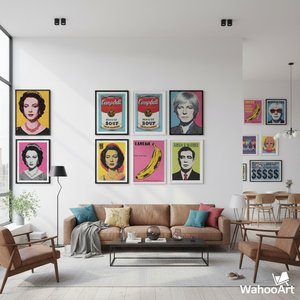
Andy Warhol'un en iyi 25 eserini keşfedin! Pop Art ikonlarından Marilyn Diptych'e kadar, her tabloyu sanatçının hikayesiyle birlikte inceleyin. Ev dekorasyonunuz için lüks sanat baskıları ve duvar sanatı Most-Famous-Paintings.com'da sizi bekliyor. Koleksiyonu keşfedin!

Detroit Sanat Müzesi'nin en değerli 25 eserini keşfedin! Van Gogh, Monet ve Rembrandt gibi ustaların hikayeleriyle dolu bu koleksiyon, ev dekorasyonunuz için ilham verici sanat baskıları sunuyor. Şimdi Most-Famous-Paintings.com’da tüm şaheserleri inceleyin!


En son sanat haberlerinden, özel tekliflerden ve dekorasyon fikirlerinden haberdar olun.
Projenizden bize bahsedin; sanat uzmanlarımız size özel 3 sanat eseri önerisi sunsun.
Size Özel 3 Seçeneği Ücretsiz Olarak Hazırlayalım!


 Preview
 Paylaş
 Paylaş
 Detayları Gör

 İndir
İndir
 Benzerlerini gör
 X-Işını
 Slayt Gösterisi

 Tümünü Gör







 Cam seçeneği yalnızca 110 cm altındaki boyutlar için mevcuttur.


