x

 LithographWallArtNaive Art
 1960Modern
 57.0 x 38.0 cm
Hızlı üretim ve esnek bitiş seçenekleriyle müze kalitesinde giclée veya kanvas baskı. ( El yapımı tablo satın al Görsel satın al)





























Eserin orijinal oranlarıyla uyumlu, önceden belirlenmiş boyutlarımız arasından seçim yapın.

Belirli bir çerçeveye veya alana uyması için kendi ölçülerinizi girebilirsiniz. Seçtiğiniz boyut orijinal görüntünün oranlarıyla eşleşmiyorsa, sanat eserini kırpacağız veya görüntüyü aynalanmış ya da düz dolgulu bir kenarlıkla genişleteceğiz. Üretim başlamadan önce onayınız için bir dijital taslak gönderilecektir.
Lütfen ekrandaki önizlemenin gerçek kırpma veya genişletmeyi yansıtmadığını unutmayın. Nihai kompozisyonu yalnızca taslak doğru bir şekilde gösterecektir.
Özel boyutlar mevcut olsa da, orijinal oranları korumak için önceden tanımlanmış listeden bir boyut seçmenizi öneririz.
Dünya Çapında Teslimat (); standart 4/5 hafta yerine 2 haftada. (18 Ağustos)


Crucifixion
Reproduksiyon Boyutu
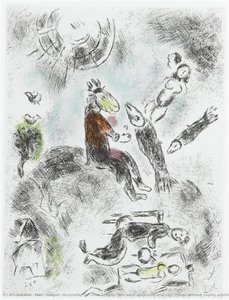
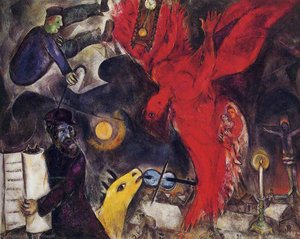
Marc Chagall's “Crucifixion,” painted in 1964, isn’t merely a depiction of a biblical scene; it’s an immersive experience—a vibrant collision of memory, faith, and the artist’s deeply personal vision. Executed as a lithograph on paper, this work transcends its medium, radiating with an almost palpable energy that draws the viewer into the heart of the drama. Chagall, a master of distilling profound emotion from simple forms, eschews photographic realism in favor of a powerfully symbolic language rooted in his Jewish heritage and the folklore of his childhood in Vitebsk, Belarus. The painting immediately arrests the eye with its bold colors—a striking contrast of deep blues and reds against a luminous white background—and its dynamic composition, where figures reach upwards towards an unseen divine presence.
To understand “Crucifixion,” it’s crucial to delve into Chagall's formative years in Vitebsk. The town, a melting pot of Russian Orthodox and Jewish cultures, profoundly shaped his artistic sensibility. He frequently depicted its landscapes—rolling fields, winding rivers, and the distinctive architecture—as symbols of memory and belonging. This painting is no exception; elements reminiscent of Vitebsk subtly permeate the composition, hinting at a deeper connection to Chagall’s past. The figures reaching upwards, for instance, recall the traditional Jewish custom of raising arms in prayer, while the ladder-like structure suggests a pathway towards spiritual ascension.
Symbolism:“Crucifixion” isn’t simply a religious painting; it's a meditation on suffering, hope, and the enduring power of faith. Chagall, who himself experienced profound loss and displacement throughout his life—including exile during World War II—infused this work with an intensely personal resonance. The painting speaks to universal themes of sacrifice, redemption, and the human condition, inviting viewers to contemplate their own beliefs and experiences. It’s a testament to Chagall's ability to transform deeply felt emotions into art that transcends time and culture. Its enduring appeal lies in its capacity to evoke both sorrow and serenity, reminding us of the complexities of faith and the beauty found within moments of profound human experience.
High-quality reproductions of “Crucifixion” are readily available through various art dealers and online platforms. For a deeper understanding of Chagall’s life and work, we recommend exploring the resources listed below:

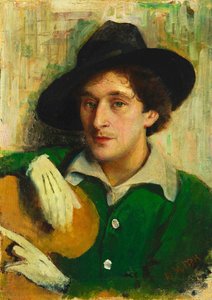
1887 - 1985 , Belarus

Explore the profound history of Surrealist Expressionism. Discover how artists blended dream logic with raw emotion to navigate post-war trauma through masterful, evocative imagery and psychological depth.

Explore the profound artistry of black and white photography. From the chemistry of gelatin silver to the chiaroscuro of the Old Masters, discover how monochrome captures the eternal essence of light, form, and emotion for the discerning art collector.


En son sanat haberlerinden, özel tekliflerden ve dekorasyon fikirlerinden haberdar olun.
Projenizden bize bahsedin; sanat uzmanlarımız size özel 3 sanat eseri önerisi sunsun.
Size Özel 3 Seçeneği Ücretsiz Olarak Hazırlayalım!


 Önizleme yap
 Paylaş
 Paylaş
 Detayları Gör

 İndir
İndir
 Benzerlerini gör
 X-Işını
 Slayt Gösterisi
 Tümünü Gör







 Cam seçeneği yalnızca 110 cm altındaki boyutlar için mevcuttur.