x


 Tabloyu Sipariş Et Görseli Satın Al
 Paylaş
 Detayları Gör
 Favorilere ekle
 İndir
İndir
 Benzerlerini gör
 X-Işını
 Slayt Gösterisi
 Acrylic On CanvasWallArtSurrealist Art
 1960Modern
 32.0 x 24.0 cm
Hızlı üretim ve esnek bitiş seçenekleriyle müze kalitesinde giclée veya kanvas baskı.





























Eserin orijinal oranlarıyla uyumlu, önceden belirlenmiş boyutlarımız arasından seçim yapın.

Belirli bir çerçeveye veya alana uyması için kendi ölçülerinizi girebilirsiniz. Seçtiğiniz boyut orijinal görüntünün oranlarıyla eşleşmiyorsa, sanat eserini kırpacağız veya görüntüyü aynalanmış ya da düz dolgulu bir kenarlıkla genişleteceğiz. Üretim başlamadan önce onayınız için bir dijital taslak gönderilecektir.
Lütfen ekrandaki önizlemenin gerçek kırpma veya genişletmeyi yansıtmadığını unutmayın. Nihai kompozisyonu yalnızca taslak doğru bir şekilde gösterecektir.
Özel boyutlar mevcut olsa da, orijinal oranları korumak için önceden tanımlanmış listeden bir boyut seçmenizi öneririz.
Dünya Çapında Teslimat (); standart 4/5 hafta yerine 2 haftada. (21 Temmuz)


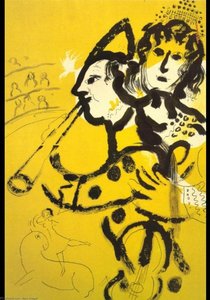
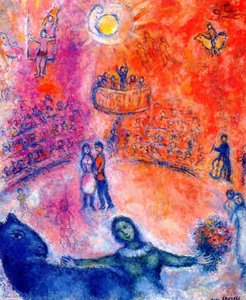
The Circus
Reproduksiyon Boyutu
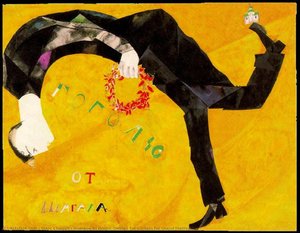
Marc Chagall's "The Circus," created in 1960, transcends mere representation; it embodies the very spirit of Naïve Art (Primitivism), transporting viewers into a realm where logic yields to imagination and memory dances with fantasy. Measuring 32 x 24 cm, this lithograph is more than just an image—it’s a portal to Chagall's deeply personal vision of childhood recollections and Jewish tradition.
Chagall’s stylistic approach aligns perfectly with the tenets of Naïve Art, a movement characterized by artists devoid of formal artistic training who nevertheless produce strikingly original works. Unlike academic painting, which strives for meticulous realism, Chagall deliberately eschews precision, favoring exaggerated proportions and flattened perspectives—techniques that heighten emotional impact and prioritize expressive color palettes. The stark black and white rendering of the central figure is juxtaposed with bursts of vibrant yellow, creating a dynamic tension that underscores the artwork’s dreamlike quality.
The composition itself narrates a story—a tale of wonder and movement. At its core stands a dancer, rendered in bold black and white, whose upward gaze embodies grace and aspiration. Surrounding him are symbolic elements that enrich the narrative: a clown figure on the right, representing humor and absurdity; and a horse’s head emerging from the left, symbolizing fertility and primal instinct—references to Chagall's formative years spent in Vitebsk, where he witnessed firsthand the confluence of Orthodox faith and Jewish culture.
Dominating the canvas is a pervasive yellow hue, not merely decorative but profoundly emotive. Yellow represents joy, optimism, and enlightenment—themes central to Chagall’s artistic worldview. It illuminates the figures and landscape alike, fostering an atmosphere of enchantment and inviting contemplation. The artist's deliberate use of color serves as a conduit for conveying feelings rather than documenting reality.
Born Moishe Shagal in 1887 in Liovana, Belarus, Chagall’s artistic journey coincided with the burgeoning modernist movement. Yet, he steadfastly championed Naïve Art (Primitivism), rejecting academic conventions and prioritizing intuitive expression. This decision reflects a broader trend within art history—a yearning for authenticity and an appreciation of unfiltered emotion—and secures “The Circus”'s place as a cornerstone of Chagall’s legacy.

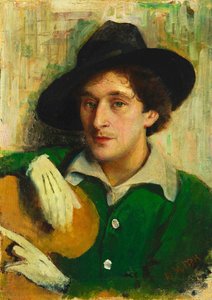
1887 - 1985 , Belarus
Marc Chagall'ın en ikonik 25 eserini keşfedin! Rüya gibi renkler, Yahudi folkloru ve modern sanatın büyülü dünyasına yolculuk yapın. Sanat tarihinin bu önemli figürünün tablolarını inceleyin ve evinizi Most-Famous-Paintings kalitesiyle süsleyin. Koleksiyonu online keşfedin!

New York Metropolitan Müzesi'nin en ikonik 25 eserini keşfedin! Van Gogh, Monet ve Rembrandt gibi ustaların hikayelerini öğrenin. Eviniz için sanat baskısı ve dekorasyon fikirleri Most-Famous-Paintings.com'da. Koleksiyonu şimdi inceleyin!

Explore 10 legendary lithographs by Toulouse-Lautrec, Munch & Picasso that redefined art! Discover the stories behind these iconic prints and find museum-quality reproductions for your home decor at Most-Famous-Paintings.com. Explore the full collection online.

Explore the revolutionary world of Naïve Art & Primitivism! Discover how artists challenged academic traditions with raw emotion & unique styles. Learn about Picasso, Rousseau & more at Most-Famous-Paintings.

Detroit Sanat Müzesi'nin en değerli 25 eserini keşfedin! Van Gogh, Monet ve Rembrandt gibi ustaların hikayeleriyle dolu bu koleksiyon, ev dekorasyonunuz için ilham verici sanat baskıları sunuyor. Şimdi Most-Famous-Paintings.com’da tüm şaheserleri inceleyin!


En son sanat haberlerinden, özel tekliflerden ve dekorasyon fikirlerinden haberdar olun.
Projenizden bize bahsedin; sanat uzmanlarımız size özel 3 sanat eseri önerisi sunsun.
Size Özel 3 Seçeneği Ücretsiz Olarak Hazırlayalım!


 Paylaş

 Tümünü Gör







 Cam seçeneği yalnızca 110 cm altındaki boyutlar için mevcuttur.