


x

Çevrimiçi önizlemeden çok daha üstün, yüksek çözünürlüklü ve iyileştirilmiş bir dijital görüntü satın alın.
Her dosya, uzman ekibimiz tarafından gelişmiş araçlar ve titiz manuel rötuş teknikleri kullanılarak özenle hazırlanır. Her görüntünün olağanüstü netliğe, kusursuz renk doğruluğuna ve ince ayrıntılara sahip olduğundan emin oluruz.
Son dosya; profesyonel, editoryal ve baskı süreçlerinde anında kullanıma uygun şekilde optimize edilerek 72 saat içinde e-posta yoluyla teslim edilir. Bu, seçkin tasarım stüdyoları, yayıncılar ve galerilerin güvendiği aynı kalite standartlarındadır.
Kişisel sergileme, baskı ve yaratıcı projeleriniz için yüksek çözünürlüklü bir dosya indirin. ( Switch to Print Switch to hand made Painting)
Most-Famous-Paintings.com seçtiğinizde, sadece bir görsel edinmekle kalmaz; titizlikle hazırlanmış, profesyonelce iyileştirilmiş dijital bir sanat eserine sahip olur ve memnuniyet garantisiyle güvence altına alınırsınız. Siparişinizle birlikte otomatik olarak sunulan her şey şunlardır:

Yüksek çözünürlüklü dijital görüntü dosyanız, siparişinizin üzerinden en geç 72 saat geçmeden e-posta ile size gönderilecektir; hemen kullanıma hazırdır.

Sanat eseriniz; maksimum detay, netlik ve renk doğruluğu sağlamak amacıyla gelişmiş yapay zeka araçları ve manuel düzenleme kullanılarak profesyonelce optimize edilmektedir.

Dosyanızı yanlışlıkla mı sildiniz yoksa kayıp mı oldu? Endişelenmeyin; dosyanızı dilediğiniz zaman size ücretsiz olarak tekrar göndereceğiz.

Sanat eserinizin tadını gümrük vergisi, harç veya teslimat ücreti ödemeden anında çıkarın; dijital indirmeler her zaman vergiden muaftır.

Profesyonel araçlar ve renk yönetimi kullanarak dijital görselinizin orijinal renklere mümkün olduğunca yakın yansıtılmasını sağlıyoruz.

If you're not satisfied with your digital image, we'll revise it or refund 100% within 60 days - no questions asked.

Memnun kalmadınız mı? Dijital dosyanızı aldıktan sonraki 60 gün içinde, hiçbir soru sorulmaksızın tam iade alın.

Buy 3 images, save 10% - Buy 5, save 15% - Buy 10+, save 20%. Great for creative projects, galleries, and agencies.
Mark Rothko's “No. 7,” painted in 1964, isn't merely a canvas adorned with color; it’s an invitation to a profoundly personal and contemplative experience. This monumental work, executed in oil on canvas, exemplifies the core tenets of Rothko’s Color Field aesthetic – a deliberate rejection of representational imagery in favor of pure emotional expression. The painting immediately commands attention with its dominance of deep charcoal gray and black hues, colors that evoke a sense of solemnity and introspection, mirroring the artist's own struggles with existential themes.
Rothko’s genius lay in his ability to manipulate color not as decorative elements but as vehicles for raw emotion. The rectangular field, nearly filling the canvas, creates an immersive environment, drawing the viewer into a space devoid of distraction. There are no sharp edges or defined boundaries; instead, the colors subtly bleed and shift, suggesting layers of pigment applied with painstaking care – a technique that contributes to the painting’s almost tactile quality. Close inspection reveals subtle textural variations, likely born from multiple washes of oil paint, adding another layer of complexity to this deceptively simple composition.
Understanding “No. 7” requires acknowledging its genesis within the Rothko Chapel in Houston, Texas – a space meticulously designed by the artist himself. Commissioned by John and Dominique de Menil, the chapel was conceived as a sanctuary dedicated to contemplation and spiritual exploration. Rothko’s fourteen murals within the chapel were intended not as decorative pieces but as integral components of this meditative environment. The Chapel's architecture—an octagon inscribed in a Greek cross—and its design were largely influenced by Rothko himself, reflecting his desire to create a space that bypassed rational thought and engaged directly with emotion.
The chapel’s purpose extended beyond mere religious observance; it became a center for international colloquiums focused on issues of human rights and social justice. This commitment to using art as a catalyst for dialogue is powerfully reflected in “No. 7,” suggesting a yearning for understanding and connection amidst the darkness.
The absence of recognizable imagery within "No. 7" is deliberate, serving to amplify its emotional impact. The dominant dark colors – charcoal gray and black – are often interpreted as representing feelings of melancholy, solitude, or even spiritual yearning. Rothko himself frequently stated that he sought to evoke a sense of “panic” in the viewer, not through overt horror but through a subtle suggestion of profound unease. The painting’s lack of defined form encourages viewers to project their own emotions and experiences onto the canvas, creating a deeply personal encounter.
Furthermore, the painting's scale – large and imposing – contributes to its emotional weight, enveloping the viewer in its somber atmosphere. It is a work that demands attention, inviting prolonged contemplation and a willingness to confront difficult emotions. The subtle gradations of tone across the surface suggest a constant flux, mirroring the ever-shifting nature of human experience.
"No. 7" stands as a pivotal work in Mark Rothko's oeuvre and a cornerstone of Abstract Expressionism. Its influence can be seen in countless subsequent artists who sought to harness the power of color for emotional expression. The painting’s enduring appeal lies not just in its technical mastery but in its profound ability to connect with viewers on a deeply visceral level. It is a testament to Rothko's belief that art could transcend the purely visual and become a conduit for universal human emotions – a legacy that continues to resonate powerfully today.
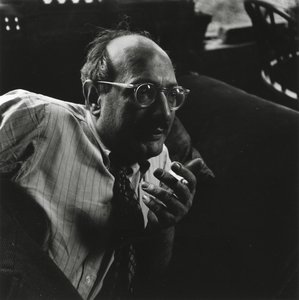
1903 - 1970 , Letonya


En son sanat haberlerinden, özel tekliflerden ve dekorasyon fikirlerinden haberdar olun.
Projenizden bize bahsedin; sanat uzmanlarımız size özel 3 sanat eseri önerisi sunsun.
Size Özel 3 Seçeneği Ücretsiz Olarak Hazırlayalım!


 Preview
 Paylaş
 Paylaş
 Detayları Gör

 İndir
İndir
 Benzerlerini gör
 X-Işını
 Slayt Gösterisi

 Tümünü Gör


