x

 Oil On CanvasWallArtEarly Netherlandish Painting
 1508
1508 73.0 x 53.0 cm
 Kunstmuseum Basel
Hızlı üretim ve esnek bitiş seçenekleriyle müze kalitesinde giclée veya kanvas baskı. ( El yapımı tablo satın al Görsel satın al)





























Eserin orijinal oranlarıyla uyumlu, önceden belirlenmiş boyutlarımız arasından seçim yapın.

Belirli bir çerçeveye veya alana uyması için kendi ölçülerinizi girebilirsiniz. Seçtiğiniz boyut orijinal görüntünün oranlarıyla eşleşmiyorsa, sanat eserini kırpacağız veya görüntüyü aynalanmış ya da düz dolgulu bir kenarlıkla genişleteceğiz. Üretim başlamadan önce onayınız için bir dijital taslak gönderilecektir.
Lütfen ekrandaki önizlemenin gerçek kırpma veya genişletmeyi yansıtmadığını unutmayın. Nihai kompozisyonu yalnızca taslak doğru bir şekilde gösterecektir.
Özel boyutlar mevcut olsa da, orijinal oranları korumak için önceden tanımlanmış listeden bir boyut seçmenizi öneririz.
Dünya Çapında Teslimat (); standart 4/5 hafta yerine 2 haftada. (20 Ağustos)


Calvary
Reproduksiyon Boyutu
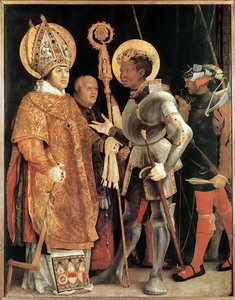
Matthias Grünewald's “Calvary,” painted in 1508, isn’t merely a depiction of the crucifixion; it’s a visceral plunge into the heart of human suffering and spiritual torment. Born in Würzburg around 1470, Grünewald stood as a pivotal figure bridging the late medieval artistic traditions of Northern Europe with the nascent fervor of the Renaissance. Unlike his Italian counterparts who embraced humanist ideals, Grünewald remained deeply rooted in the emotional intensity and meticulous observation characteristic of his region, creating an artwork profoundly shaped by religious devotion rather than secular concerns. This painting, now housed at the Kunstmuseum Basel, is a testament to this unique approach – a raw, unflinching portrayal of Christ’s sacrifice that continues to resonate with viewers centuries later.
The composition itself immediately commands attention. Grünewald employs a pyramidal structure, anchoring the scene around the central figure of Christ on the cross. His body, rendered with an almost brutal realism, is contorted in agony, muscles straining under the weight of his torment. The figures surrounding him – Mary weeping, John the Evangelist recoiling in horror, and onlookers expressing disbelief – are not idealized representations but rather embodiments of human emotion: grief, despair, and confusion. The tight arrangement within the frame creates a claustrophobic atmosphere, intensifying the sense of tragedy and drawing the viewer directly into the scene’s unbearable weight.
Grünewald's masterful technique is immediately apparent in the painting’s rich textures and dramatic use of color. He eschewed the smooth, polished surfaces favored by some Renaissance artists, opting instead for a deliberately rough and uneven application of oil paint. This creates a tactile quality, inviting viewers to almost feel the grit beneath their fingertips. The palette is dominated by muted browns, ochres, and deep reds – colors that evoke both the earthiness of the landscape and the blood spilled on Christ’s body. Highlights of white accentuate Christ's flesh, drawing attention to his suffering while simultaneously emphasizing the stark contrast between life and death.
The artist’s layering technique is particularly noteworthy. Grünewald built up form through multiple thin layers of paint, creating a sense of depth and volume that belies the painting’s relatively small scale. The use of linear perspective, though somewhat flattened compared to later Renaissance works, effectively guides the viewer's eye towards Christ at the apex of the composition. The careful rendering of drapery – the heavy folds of Christ’s tunic and the flowing garments of the onlookers – adds another layer of visual complexity, demonstrating Grünewald’s exceptional skill in capturing the nuances of fabric.
“Calvary” is laden with symbolic meaning. The stark landscape, devoid of any comforting details, represents the desolate reality of Christ's abandonment. The instruments of torture – the nails, the beam, the rope – are not merely props but potent symbols of human cruelty and divine suffering. The expressions on the faces of the onlookers range from sorrow to disbelief, reflecting the profound theological implications of Christ’s sacrifice: a rejection of worldly power and an affirmation of faith in the face of unimaginable pain.
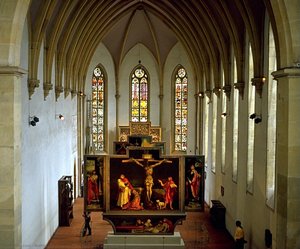
Furthermore, the painting's placement within the Isenheim Altarpiece—a larger work featuring multiple scenes from the life of Christ—contributes to its overall significance. “Calvary” serves as a pivotal moment within this complex narrative, embodying both the physical agony and the spiritual redemption offered by Christ’s death. The altarpiece as a whole was designed to be viewed in different configurations, offering viewers a multifaceted experience of faith and suffering.
Matthias Grünewald's “Calvary” stands as a landmark achievement in Northern Renaissance art. His willingness to embrace emotional intensity and unflinching realism set him apart from his contemporaries, forging a unique artistic voice that continues to captivate viewers today. The painting’s enduring power lies not only in its technical brilliance but also in its profound exploration of human suffering and spiritual longing. It is a work that demands contemplation, inviting us to confront the uncomfortable truths about mortality, faith, and the nature of sacrifice – a timeless masterpiece that transcends its historical context.

Almanya'nın Würzburg kentinde, yaklaşık 1470-1475 yılları arasında Mathis Gothart Neithardt adıyla dünyaya gelen Matthias Grünewald, Alman Rönesansı'nın en kilit figürlerinden biriydi. İtalyan Rönesansı ideallerinin giderek daha fazla etki bıraktığı bir dönemde yaşamasına rağmen, Grünewald köklerini Orta Avrupa'nın geç ortaçağ sanatsal geleneklerine derinden bağlamayı başarmıştır. Erken yaşamına dair detaylar oldukça kısıtlı olsa da, muhtemelen yerel atölyelerde aldığı eğitimle bir sanatçı olarak yetiştiği bilinmektedir.
Grünewald'ın sanatsal gelişimi; realizm, duygusal yoğunluk ve ayrıntılı gözlem üzerine kurulu olan hakim Kuzey Avrupa gelenekleri tarafından şekillendirilmiştir. Eserlerinde Albrecht Dürer ve Martin Schongauer gibi sanatçıların izlerini görmek mümkün olsa da, o, dramatik ifade ve canlı renklerle karakterize edilen kendine özgü bir yol çizmiştir. İtalya'da yaygın olan hümanist çevrelerle doğrudan bir bağ kurmamış; aksın aksine sanatı, döneminin ruhani kaygılarını yansıtarak öncelikle dini amaçlara hizmet etmiştir.
Grünewald'ın üslubu şu temel özelliklerle ayrışır:
Grünewald'ın çalışmaları, Rönesans döneminde Almanya'daki ortaçağ sanatsal geleneklerinin kalıcı gücünün bir kanıtı olarak durmaktadır. Geç Gotik üslup ile yükselen Rönesans arasındaki boşluğu doldurarak, çağdaşlarıyla yankı uyandıran eşsiz bir görsel dil yaratmıştır. Onun etkisi, dini coşku ve duygusal yoğunluk temalarını keşfetmeye devam eden sonraki Alman sanatçılarında açıkça görülebilir. 1528'deki ölümünden sonra yüzyıllar boyunca büyük ölçüde unutulmuş olsa da, Grünewald 19. yüzyılda yeniden keşfedilmiş ve bugün Alman Rönesansı'nın en önemli ressamlarından biri olarak kabul edilmektedir. Sanatı; ham duygusu, teknik dehası ve derin ruhani derinliğiyle izleyicileri büyülemeye devam etmektedir.
Matthias Grünewald'ın yaşamı ve eserleri hakkında daha fazlasını burada keşfedin: Most-Famous-Paintings

1480 - 1528 , Almanya

Explore the profound beauty of the Early Netherlandish Renaissance. Discover how masters like Jan van Eyck revolutionized art through oil painting, light, and symbolism. A definitive guide for history lovers and collectors seeking to understand the Northern Renaissance.

Explore the luminous mastery of Early Netherlandish painting. Discover how Jan van Eyck and the Flemish masters revolutionized art through oil innovation, hyper-realism, and profound symbolism in this expert guide to the Northern Renaissance.


En son sanat haberlerinden, özel tekliflerden ve dekorasyon fikirlerinden haberdar olun.
Projenizden bize bahsedin; sanat uzmanlarımız size özel 3 sanat eseri önerisi sunsun.
Size Özel 3 Seçeneği Ücretsiz Olarak Hazırlayalım!


 Önizleme yap
 Paylaş
 Paylaş
 Detayları Gör

 İndir
İndir
 Benzerlerini gör
 X-Işını
 Slayt Gösterisi
 Tümünü Gör







 Cam seçeneği yalnızca 110 cm altındaki boyutlar için mevcuttur.