


x
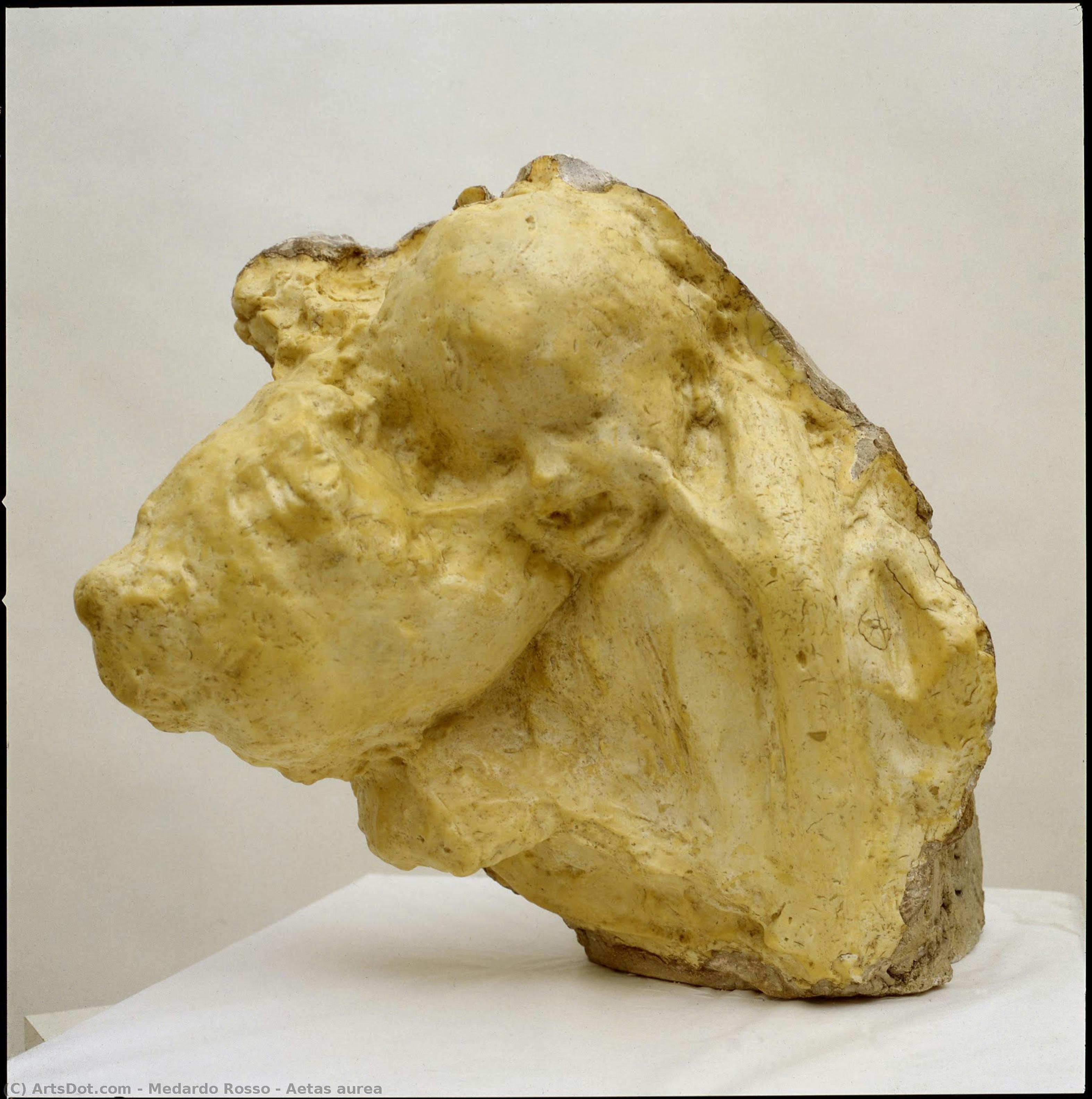
 WaxPost-Impressionism
 19th Century
 45.0 x 45.0 cm
 Galleria Civica di Arte Moderna e Contemporanea Torino
Sanatçılarımız tarafından sipariş üzerine hazırlanan; istediğiniz boyut ve çerçevede, tuval üzerine el boyaması yağlı boya. ( Baskı satın al Görsel satın al)
Eserin orijinal oranlarıyla uyumlu, önceden belirlenmiş boyutlarımız arasından seçim yapın.

Belirli bir çerçeveye veya alana uyması için kendi boyutlarınızı girebilirsiniz. Seçtiğiniz boyut orijinal görüntünün oranlarıyla eşleşmiyorsa, sanat eserini kırparak veya ek el boyaması öğelerle resmi uzatarak ayarlayacağız. Üretim başlamadan önce onayınız için dijital bir taslak gönderilecektir.
Lütfen ekrandaki önizlemenin gerçek kırpmayı veya uzatmayı yansıtmadığını unutmayın. Nihai kompozisyonu yalnızca hazırlanan taslak doğru şekilde gösterecektir.
Özel boyutlar mevcut olsa da, orijinal oranları korumak adına önceden tanımlanmış listeden bir boyut seçmenizi öneririz.
Dünya Çapında Teslimat (); standart 5 hafta yerine 3/4 haftada. (19 Ağustos). Kaliteden ödün verilmez.


Aetas aurea
Reproduksiyon Boyutu
Aetas Aurea, Latin for "Golden Age," is a profoundly moving sculpture by Italian artist Medardo Rosso. This work depicts his wife, Giuditta Pozzi, and their young son, Francesco, capturing a tender moment of familial connection. It stands as a prime example of Rosso’s innovative approach to sculpting, particularly his exploration of wax as a medium.
Rosso was a pioneer in what can be considered "Impressionistic sculpture." Departing from the traditional academic style prevalent at the time, he embraced a more fluid and atmospheric aesthetic. Aetas Aurea exemplifies this shift. Rather than striving for precise anatomical detail or polished surfaces, Rosso prioritized capturing a fleeting impression – a moment suspended in time.
Aetas Aurea was created during a period of significant artistic change in Europe. Rosso’s work reflects the broader Post-Impressionist movement, which sought to move beyond mere representation towards conveying subjective experience and emotion. His journey to Paris in 1886, where he exhibited at the Salon and Salon des Indépendants, exposed him to new ideas and techniques that influenced his artistic development.
Beyond its aesthetic qualities, Aetas Aurea carries a profound emotional resonance. The sculpture evokes feelings of intimacy, tenderness, and familial love. The slightly tilted posture and soft modeling create an atmosphere of vulnerability and quiet contemplation.


1858 - 1928 , İtalya

Explore the profound history of sculpture, from classical realism to modern abstraction. Discover the mastery of form, texture, and medium through an expert art-historical lens designed for discerning collectors and enthusiasts.
Elevate your collection with our expert guide to bronze sculpture. Discover the mastery of lost-wax casting, the artistry of patination, and professional insights for acquiring timeless metal masterpieces that define sophisticated interiors.

Discover the enduring elegance of bronze sculpture. Our expert guide explores lost-wax casting, patina mastery, and professional tips for collecting and commissioning museum-quality bronze art to create a lasting legacy in your private collection.


En son sanat haberlerinden, özel tekliflerden ve dekorasyon fikirlerinden haberdar olun.
Projenizden bize bahsedin; sanat uzmanlarımız size özel 3 sanat eseri önerisi sunsun.
Size Özel 3 Seçeneği Ücretsiz Olarak Hazırlayalım!


 Önizleme yap
 Paylaş
 Paylaş
 Detayları Gör

 İndir
İndir
 Benzerlerini gör
 X-Işını
 Slayt Gösterisi
 Tümünü Gör




































 Cam seçeneği yalnızca 110 cm altındaki boyutlar için mevcuttur.


