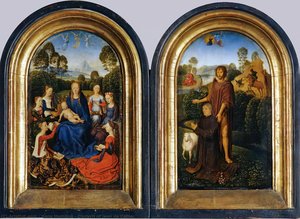
x


 Preview
 Tabloyu Sipariş Et Görseli Satın Al
 Paylaş
 Detayları Gör
 Favorilere ekle
 İndir
İndir
 Benzerlerini gör
 X-Işını
 Slayt Gösterisi
 Acrylic On CanvasWallArtEarly Netherlandish Painting
 58.0 x 28.0 cm
 Szépművészeti Múzeum
Hızlı üretim ve esnek bitiş seçenekleriyle müze kalitesinde giclée veya kanvas baskı.





























Eserin orijinal oranlarıyla uyumlu, önceden belirlenmiş boyutlarımız arasından seçim yapın.

Belirli bir çerçeveye veya alana uyması için kendi ölçülerinizi girebilirsiniz. Seçtiğiniz boyut orijinal görüntünün oranlarıyla eşleşmiyorsa, sanat eserini kırpacağız veya görüntüyü aynalanmış ya da düz dolgulu bir kenarlıkla genişleteceğiz. Üretim başlamadan önce onayınız için bir dijital taslak gönderilecektir.
Lütfen ekrandaki önizlemenin gerçek kırpma veya genişletmeyi yansıtmadığını unutmayın. Nihai kompozisyonu yalnızca taslak doğru bir şekilde gösterecektir.
Özel boyutlar mevcut olsa da, orijinal oranları korumak için önceden tanımlanmış listeden bir boyut seçmenizi öneririz.
Dünya Çapında Teslimat (); standart 4/5 hafta yerine 2 haftada. (26 Temmuz)


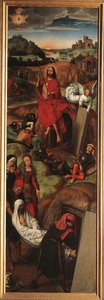
Resurrection
Reproduksiyon Boyutu
Hans Memling’s “Resurrection,” rendered in exquisite detail on a canvas measuring 58 x 28 cm, is more than just a depiction of a pivotal biblical event; it's a profound meditation on faith, hope, and the triumph over death. Created during the height of his career in Bruges around the late 15th century – though the precise dating remains elusive – this panel from the Triptych of the Resurrection stands as a testament to Memling’s mastery of Early Netherlandish painting and his deep understanding of religious iconography.
The scene unfolds with breathtaking realism. At its heart, we witness Jesus Christ being lifted vertically into the heavens by a multitude of angels, their wings spread wide in an act of divine assistance. The physicality of the resurrection is powerfully conveyed: Jesus’s body, rendered with meticulous attention to musculature and drapery, strains against the earthly bonds that have held him captive. Below, figures representing the mourning disciples – some weeping, others gazing upwards in stunned disbelief – are caught in the immediate aftermath of this miraculous event. The composition isn't merely a record of an occurrence; it’s a dynamic tableau brimming with emotional intensity.
Memling’s technique is characterized by its painstaking realism, a hallmark of the Early Netherlandish style. He employed oil paints to achieve unparalleled luminosity and depth, layering translucent glazes to create an almost ethereal quality. Notice the subtle variations in color – the warm hues of Jesus's flesh contrasting with the cool blues and purples of the angels’ robes – and the meticulous rendering of textures: the folds of the drapery, the rough surfaces of the stone, the delicate feathers of the birds circling above. The artist’s use of perspective is remarkably sophisticated for its time, creating a convincing sense of space and volume.
Crucially, Memling's work demonstrates his deep understanding of symbolism. The presence of swords, notably one held by John the Evangelist, alludes to the sacrifice Jesus made on the cross – a reminder that this resurrection is inextricably linked to his death. The birds soaring upwards represent the soul’s ascent to God. Even the placement of the cross in the upper left corner serves as a visual anchor, grounding the scene within the broader narrative of salvation. The inclusion of various figures and objects—a testament to the universality of faith—further enriches the work's symbolic weight.
Hans Memling’s rise to prominence in Bruges is inextricably linked to his apprenticeship under Rogier van der Weyden, a master whose influence can be seen throughout Memling’s oeuvre. However, Memling quickly developed his own distinctive style, characterized by an unparalleled attention to detail and a profound sense of spirituality. He operated a prolific workshop, disseminating his artistic vision across Europe and leaving behind a legacy of stunning religious paintings.
The Triptych of the Resurrection, in which this panel forms part, is considered one of Memling’s most significant achievements. It exemplifies the artistic trends of the late 15th century – a period marked by increasing interest in realism, naturalism, and the depiction of religious subjects with unprecedented emotional depth. Memling's work continues to resonate today, not only for its technical brilliance but also for its enduring message of hope and redemption. Reproductions offer a remarkable opportunity to experience this masterpiece’s power and beauty firsthand.
“Resurrection” transcends mere historical documentation; it is an invitation to contemplate the profound mysteries of faith. The scene evokes a powerful sense of awe and wonder, capturing the transformative moment when death is overcome by divine grace. The figures’ expressions – ranging from grief to ecstatic joy – reflect the complex range of human emotions associated with this pivotal event.
Whether adorning a private chapel or gracing a corporate space, this artwork's ability to inspire contemplation and evoke feelings of hope makes it a timeless addition to any collection. The meticulous detail and luminous colors create an immersive experience, drawing the viewer into the heart of the narrative and reminding us of the enduring power of faith.

Almanya

New York Metropolitan Müzesi'nin en ikonik 25 eserini keşfedin! Van Gogh, Monet ve Rembrandt gibi ustaların hikayelerini öğrenin. Eviniz için sanat baskısı ve dekorasyon fikirleri Most-Famous-Paintings.com'da. Koleksiyonu şimdi inceleyin!
Alte Pinakothek'in en ikonik 25 eserini keşfedin! Rönesans'tan Barok'a uzanan sanat yolculuğunda Leonardo da Vinci, Rembrandt ve Rubens gibi ustaların izlerini sürün. Ev dekorasyonunuz için ilham alın ve Most-Famous-Paintings.com'da yüksek kaliteli tablo baskılarını inceleyin.
Washington Ulusal Sanat Galerisi'nin en etkileyici 25 eserini keşfedin! Paul Cézanne, Matisse ve Picasso gibi ustaların hikayelerini öğrenin. Eviniz için sanat ilhamı ve yüksek kaliteli tablolar Most-Famous-Paintings.com’da sizi bekliyor. Koleksiyonu şimdi keşfedin!
James Abbott McNeill Whistler'ın en iyi 25 eserini keşfedin! Amerikan empresyonizminin öncüsü Whistler'ın nocturne resimleri, portreleri ve sanat tarihine damga vuran diğer başyapıtları Most-Famous-Paintings.com'da. Ev dekorasyonunuz için lüks tabloları inceleyin.
Henri Matisse'ın en ikonik 25 eserini keşfedin! Fauvism akımının öncüsü olan bu modern sanat dehasının renkli dünyasına yolculuk yapın. Sanat baskıları ve ev dekorasyonu için Most-Famous-Paintings.com'da ilham alın. Koleksiyonu şimdi keşfedin!


En son sanat haberlerinden, özel tekliflerden ve dekorasyon fikirlerinden haberdar olun.
Projenizden bize bahsedin; sanat uzmanlarımız size özel 3 sanat eseri önerisi sunsun.
Size Özel 3 Seçeneği Ücretsiz Olarak Hazırlayalım!


 Paylaş

 Tümünü Gör







 Cam seçeneği yalnızca 110 cm altındaki boyutlar için mevcuttur.


![The Passion [detail] — Hans Holbien, Northern Renaissance](/media/artworks/images/thumbnails/05/7f/057f8051c622487fae8ae052bf714363.jpg)