


x


 Preview
 Baskıyı satın al Tabloyu Sipariş Et
 Paylaş
 Detayları Gör
 Favorilere ekle
 İndir
İndir
 Benzerlerini gör
 X-Işını
 Slayt Gösterisi
Çevrimiçi önizlemeden çok daha üstün, yüksek çözünürlüklü ve iyileştirilmiş bir dijital görüntü satın alın.
Her dosya, uzman ekibimiz tarafından gelişmiş araçlar ve titiz manuel rötuş teknikleri kullanılarak özenle hazırlanır. Her görüntünün olağanüstü netliğe, kusursuz renk doğruluğuna ve ince ayrıntılara sahip olduğundan emin oluruz.
Son dosya; profesyonel, editoryal ve baskı süreçlerinde anında kullanıma uygun şekilde optimize edilerek 72 saat içinde e-posta yoluyla teslim edilir. Bu, seçkin tasarım stüdyoları, yayıncılar ve galerilerin güvendiği aynı kalite standartlarındadır.
Kişisel sergileme, baskı ve yaratıcı projeleriniz için yüksek çözünürlüklü bir dosya indirin.
Most-Famous-Paintings.com seçtiğinizde, sadece bir görsel edinmekle kalmaz; titizlikle hazırlanmış, profesyonelce iyileştirilmiş dijital bir sanat eserine sahip olur ve memnuniyet garantisiyle güvence altına alınırsınız. Siparişinizle birlikte otomatik olarak sunulan her şey şunlardır:

Yüksek çözünürlüklü dijital görüntü dosyanız, siparişinizin üzerinden en geç 72 saat geçmeden e-posta ile size gönderilecektir; hemen kullanıma hazırdır.

Sanat eseriniz; maksimum detay, netlik ve renk doğruluğu sağlamak amacıyla gelişmiş yapay zeka araçları ve manuel düzenleme kullanılarak profesyonelce optimize edilmektedir.

Dosyanızı yanlışlıkla mı sildiniz yoksa kayıp mı oldu? Endişelenmeyin; dosyanızı dilediğiniz zaman size ücretsiz olarak tekrar göndereceğiz.

Sanat eserinizin tadını gümrük vergisi, harç veya teslimat ücreti ödemeden anında çıkarın; dijital indirmeler her zaman vergiden muaftır.

Profesyonel araçlar ve renk yönetimi kullanarak dijital görselinizin orijinal renklere mümkün olduğunca yakın yansıtılmasını sağlıyoruz.

If you're not satisfied with your digital image, we'll revise it or refund 100% within 60 days - no questions asked.

Memnun kalmadınız mı? Dijital dosyanızı aldıktan sonraki 60 gün içinde, hiçbir soru sorulmaksızın tam iade alın.

Buy 3 images, save 10% - Buy 5, save 15% - Buy 10+, save 20%. Great for creative projects, galleries, and agencies.
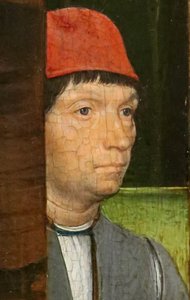
Hans Memling’s “untitled (6791)” – more commonly understood as his depiction of the Triumph of Saint Michael – is not merely a painting; it's a meticulously crafted theological statement, a visual sermon rendered with the astonishing detail characteristic of the Early Netherlandish masters. The work plunges us into a dramatic confrontation between celestial power and infernal darkness, embodying the eternal struggle between good and evil with an intensity that resonates even centuries after its creation. Memling doesn’t simply *show* us this battle; he invites us to witness it, drawing us into a claustrophobic space where the weight of divine judgment feels palpable.
To appreciate “untitled (6791)” fully is to understand its place within the blossoming artistic landscape of 15th-century Bruges. Memling, having honed his skills under Rogier van der Weyden in Brussels, brought a refined sensibility to the city’s thriving art scene. His technique exemplifies the hallmarks of the Northern Renaissance: an almost obsessive attention to detail, a preference for oil paints applied in delicate layers – or glazes – that build up luminosity and depth, and a compositional approach that prioritizes clarity of narrative over strict adherence to perspective. Look closely at Saint Michael’s armor; it isn't merely gold, but a shimmering surface reflecting an inner light. Observe the expressions etched onto the faces of the damned—each contorted in unique agony. This is not generalized suffering, but individualized torment. The subtle use of geometric forms – squares, rectangles, and circles – provides an underlying structure to the seemingly chaotic scene, lending it a sense of harmony despite its dramatic subject matter.
The painting’s power extends far beyond its technical brilliance; it is deeply imbued with symbolism. Saint Michael, archangel and warrior of God, stands as an unwavering beacon of righteousness, his raised sword a potent symbol of justice and the triumph over evil. Around him, angels proclaim victory with resounding blasts from their horns. Below unfolds a harrowing vision of damnation: naked figures, chained and writhing in despair, represent fallen humanity consumed by sin. The inclusion of scales is particularly significant – representing divine judgment, carefully weighing each soul’s worth. These aren't merely decorative elements; they are integral to the painting’s moral narrative. Even the hazy landscape in the background isn’t a realistic depiction of place but rather an atmospheric backdrop that amplifies the spiritual drama unfolding in the foreground, focusing our attention on the central conflict and its eternal consequences.
Hans Memling flourished in Bruges during a period of immense wealth and artistic patronage. The city was a vital hub for commerce, attracting merchants, aristocrats, and clergymen who eagerly commissioned works like “untitled (6791)” to express their piety and status. Memling’s clientele weren't simply seeking beautiful objects; they desired devotional pieces that would inspire contemplation and reinforce their faith. This painting likely served as such an object – perhaps adorning a private chapel or enriching the interior of a church, prompting viewers to reflect on their own mortality and spiritual well-being. It is a testament to the religious fervor and moralizing tendencies prevalent in 15th-century Northern Europe, a period deeply concerned with salvation and the consequences of earthly transgression. The enduring appeal of Memling’s work lies not only in its aesthetic beauty but also in its ability to simultaneously inspire reverence and provoke profound introspection.

Almanya


En son sanat haberlerinden, özel tekliflerden ve dekorasyon fikirlerinden haberdar olun.
Projenizden bize bahsedin; sanat uzmanlarımız size özel 3 sanat eseri önerisi sunsun.
Size Özel 3 Seçeneği Ücretsiz Olarak Hazırlayalım!


 Paylaş


 Tümünü Gör


