x


 Preview
 Baskıyı satın al Tabloyu Sipariş Et
 Paylaş
 Detayları Gör
 Favorilere ekle
 İndir
İndir
 Benzerlerini gör
 X-Işını
 Slayt Gösterisi
 Tuval Üzerine Yağlı BoyaDuvar SanatıBaroque
 1664Rönesans
 117.0 x 160.0 cm
Çevrimiçi önizlemeden çok daha üstün, yüksek çözünürlüklü ve iyileştirilmiş bir dijital görüntü satın alın.
Her dosya, uzman ekibimiz tarafından gelişmiş araçlar ve titiz manuel rötuş teknikleri kullanılarak özenle hazırlanır. Her görüntünün olağanüstü netliğe, kusursuz renk doğruluğuna ve ince ayrıntılara sahip olduğundan emin oluruz.
Son dosya; profesyonel, editoryal ve baskı süreçlerinde anında kullanıma uygun şekilde optimize edilerek 72 saat içinde e-posta yoluyla teslim edilir. Bu, seçkin tasarım stüdyoları, yayıncılar ve galerilerin güvendiği aynı kalite standartlarındadır.
Kişisel sergileme, baskı ve yaratıcı projeleriniz için yüksek çözünürlüklü bir dosya indirin.
Most-Famous-Paintings.com seçtiğinizde, sadece bir görsel edinmekle kalmaz; titizlikle hazırlanmış, profesyonelce iyileştirilmiş dijital bir sanat eserine sahip olur ve memnuniyet garantisiyle güvence altına alınırsınız. Siparişinizle birlikte otomatik olarak sunulan her şey şunlardır:

Yüksek çözünürlüklü dijital görüntü dosyanız, siparişinizin üzerinden en geç 72 saat geçmeden e-posta ile size gönderilecektir; hemen kullanıma hazırdır.

Sanat eseriniz; maksimum detay, netlik ve renk doğruluğu sağlamak amacıyla gelişmiş yapay zeka araçları ve manuel düzenleme kullanılarak profesyonelce optimize edilmektedir.

Dosyanızı yanlışlıkla mı sildiniz yoksa kayıp mı oldu? Endişelenmeyin; dosyanızı dilediğiniz zaman size ücretsiz olarak tekrar göndereceğiz.

Sanat eserinizin tadını gümrük vergisi, harç veya teslimat ücreti ödemeden anında çıkarın; dijital indirmeler her zaman vergiden muaftır.

Profesyonel araçlar ve renk yönetimi kullanarak dijital görselinizin orijinal renklere mümkün olduğunca yakın yansıtılmasını sağlıyoruz.

If you're not satisfied with your digital image, we'll revise it or refund 100% within 60 days - no questions asked.

Memnun kalmadınız mı? Dijital dosyanızı aldıktan sonraki 60 gün içinde, hiçbir soru sorulmaksızın tam iade alın.

Buy 3 images, save 10% - Buy 5, save 15% - Buy 10+, save 20%. Great for creative projects, galleries, and agencies.
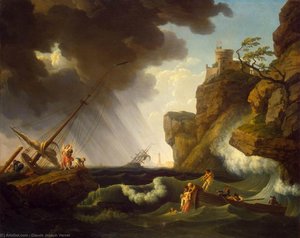
Nicolas Poussin, a name synonymous with classical grace and profound emotional depth in 17th-century art, gifted the world with a series of paintings known collectively as "The Four Seasons." Among these masterpieces, “Winter (The Flood),” painted between 1660 and 1664, stands as a particularly arresting testament to his artistic prowess. More than simply a depiction of a natural disaster, it’s a meticulously constructed allegory—a meditation on human vulnerability, the indifference of nature, and the precarious balance between survival and oblivion. Measuring a substantial 117 x 160 cm, this oil-on-canvas work resides within the esteemed collection of the Louvre Museum in Paris, a testament to its enduring significance.
The scene immediately commands attention with its dramatic chiaroscuro—the stark contrast between light and shadow that Poussin masterfully employs. A bruised, storm-wracked sky dominates the upper portion of the canvas, pregnant with impending doom. Lightning flashes illuminate fleeting glimpses of a turbulent river, swollen to dangerous proportions by relentless rain. Below this chaotic expanse unfolds a landscape dominated by imposing mountains, their peaks shrouded in mist and snow – symbols of enduring strength and impassivity against the forces unleashed below. At the heart of the composition lies a small boat, precariously navigating the raging waters, carrying at least twelve souls and a loyal dog—a microcosm of humanity struggling against overwhelming odds.
Poussin's artistic identity is firmly rooted in the principles of Classicism. This wasn’t merely an aesthetic choice; it represented a conscious rejection of the exuberant, often theatrical style prevalent during the Baroque period. Instead, he sought order, harmony, and balance—qualities deeply admired by Renaissance artists like Raphael. His meticulous attention to detail, evident in the precise rendering of textures – from the rough bark of the trees to the glistening surface of the water – speaks volumes about his rigorous training and unwavering commitment to accuracy. The composition itself adheres to strict geometric principles, creating a sense of stability within the turbulent scene. Notice how the diagonal lines of the boat’s trajectory are counterbalanced by the verticality of the mountains, contributing to a visual equilibrium that belies the chaos depicted.
Poussin's technique is characterized by his use of *sfumato*—a subtle blurring of edges and contours—to create an atmospheric depth. He skillfully employs layering techniques, building up color gradually to achieve a luminous quality. The colors are predominantly cool – blues, grays, and whites – reflecting the bleakness of the winter landscape and the despair of the situation. However, flashes of warmer tones—the red of a garment clinging to a struggling figure—add dramatic emphasis and heighten the emotional impact.
“Winter (The Flood)” is part of “The Four Seasons” series, commissioned by the son of Cardinal Richelieu. Interestingly, Poussin’s work transcends a simple depiction of a flood; it carries profound philosophical and potentially biblical undertones. The scene echoes the story of Noah's Ark, albeit with a distinctly more pessimistic interpretation. While the biblical narrative emphasizes divine judgment and the cleansing of humanity, Poussin presents a far less comforting vision. The figures in the boat are not heroes embarking on a righteous mission; they are simply struggling to survive, their fate uncertain. The inclusion of the serpent adds an element of foreboding, hinting at the destructive forces that lie dormant beneath the surface.
Furthermore, Poussin’s personal struggles during this period—he suffered from debilitating hand tremors—are believed to have influenced the painting's slow and painstaking creation. This physical difficulty likely deepened his contemplation on themes of mortality, vulnerability, and the limitations of human control. The painting can be interpreted as a reflection on the fragility of existence in the face of overwhelming natural forces – a poignant reminder that even the most enduring structures are ultimately subject to destruction.
Beyond its narrative elements, “Winter (The Flood)” is rich in symbolism. The boat itself represents humanity—a small, vulnerable vessel tossed about on the vast and indifferent ocean of nature. The figures within it embody a range of emotions – fear, desperation, hope, and resilience. The dog, often interpreted as a symbol of loyalty and fidelity, offers a glimmer of comfort amidst the chaos. The mountains, steadfast and unyielding, represent the enduring power of the natural world—a force that is both beautiful and terrifying. The overall effect is one of profound melancholy and unsettling beauty – a visual poem on the human condition.
Reproductions of “Winter (The Flood)” capture only a fraction of the painting’s original impact, but they offer a valuable opportunity to engage with Poussin's masterful artistry and contemplate his enduring message. Consider commissioning a high-quality hand-painted reproduction from Most-Famous-Paintings.com to bring this iconic work into your home or office – a timeless reminder of humanity’s place within the grand scheme of nature.


1594 - 1665 , Fransa


En son sanat haberlerinden, özel tekliflerden ve dekorasyon fikirlerinden haberdar olun.
Projenizden bize bahsedin; sanat uzmanlarımız size özel 3 sanat eseri önerisi sunsun.
Size Özel 3 Seçeneği Ücretsiz Olarak Hazırlayalım!


 Paylaş

 Tümünü Gör