x


 Preview
 Baskıyı satın al Görseli Satın Al
 Paylaş
 Detayları Gör
 Favorilere ekle
 İndir
İndir
 Benzerlerini gör
 X-Işını
 Slayt Gösterisi
 Oil On CanvasWallArtSurrealism
 1937Modern
 46.0 x 55.0 cm
Sanatçılarımız tarafından sipariş üzerine hazırlanan; istediğiniz boyut ve çerçevede, tuval üzerine el boyaması yağlı boya.





























Eserin orijinal oranlarıyla uyumlu, önceden belirlenmiş boyutlarımız arasından seçim yapın.

Belirli bir çerçeveye veya alana uyması için kendi boyutlarınızı girebilirsiniz. Seçtiğiniz boyut orijinal görüntünün oranlarıyla eşleşmiyorsa, sanat eserini kırparak veya ek el boyaması öğelerle resmi uzatarak ayarlayacağız. Üretim başlamadan önce onayınız için dijital bir taslak gönderilecektir.
Lütfen ekrandaki önizlemenin gerçek kırpmayı veya uzatmayı yansıtmadığını unutmayın. Nihai kompozisyonu yalnızca hazırlanan taslak doğru şekilde gösterecektir.
Özel boyutlar mevcut olsa da, orijinal oranları korumak adına önceden tanımlanmış listeden bir boyut seçmenizi öneririz.
Dünya Çapında Teslimat (); standart 5 hafta yerine 3/4 haftada. (28 Temmuz). Kaliteden ödün verilmez.


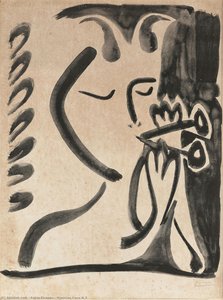
Minotaur is wounded
Reproduksiyon Boyutu
Pablo Picasso's "Minotaur is Wounded," painted in 1937, stands as a cornerstone of Surrealist art—a testament to the movement’s audacious ambition to fuse the subconscious with reality. More than just an image, it’s a carefully constructed narrative that wrestles with themes of power, pain, and the inescapable fragility inherent within strength. Executed in oil on canvas measuring 46 x 55 cm, this artwork immediately captivates viewers with its unsettling juxtaposition of figures and landscapes—a hallmark of Picasso's distinctive vision.
Born in Málaga, Spain, Pablo Ruiz y Picasso (1881-1973) emerged as a revolutionary force in the art world. Influenced by Nietzsche’s philosophy and captivated by Freud's psychoanalytic theories, Surrealism sought to liberate artistic expression from rational constraints. Artists like Picasso deliberately disrupted conventional perspectives, inviting audiences into realms of dreamlike imagery and irrational association—a deliberate challenge to accepted notions of truth.
The painting depicts a woman seated in a boat alongside two other women, creating an atmosphere of palpable tension. The central figure is nude, embodying vulnerability against the backdrop of turbulent waters and scattered boats—a deliberate echo of classical mythology. A third woman appears partially obscured, adding to the enigmatic quality of the scene. Picasso’s masterful use of Cubist techniques—fragmentation, multiple viewpoints—further enhances this sense of disorientation, mirroring the fractured psyche explored by Surrealists.
Picasso's fascination with Greek mythology is evident throughout his oeuvre, and “Minotaur is Wounded” centers on this iconic beast. Traditionally representing primal aggression and inescapable doom, the Minotaur embodies both destructive force and profound vulnerability—a duality that Picasso skillfully portrays. By depicting it as wounded, he subtly interrogates the notion of invincibility, suggesting that even the most formidable figures are susceptible to suffering.
"Minotaur is Wounded" transcends mere visual depiction; it’s an emotional journey into the subconscious. Picasso's expressive brushstrokes convey a palpable sense of unease and sorrow, mirroring the anxieties of his time—a period marked by political turmoil and impending war. The painting compels viewers to confront uncomfortable truths about human nature and the inescapable presence of pain—leaving an indelible impression on anyone who contemplates its unsettling beauty.


1881 - 1973 , İspanya

Pablo Picasso'nun en ikonik 25 eserini keşfedin! Kübizm, soyut sanat ve daha fazlası... Her tablonun ardındaki hikaye, renkler ve teknikler Most-Famous-Paintings'ta. Evinizi sanatla zenginleştirin. Tüm şaheserleri Most-Famous-Paintings.com'da keşfedin.

René Magritte'in en ikonik 25 eserini keşfedin! Sürrealizmin gizemli dünyasına dalın, her tablonun ardındaki hikayeyi öğrenin. Ev dekorasyonunuz için modern sanat baskıları Most-Famous-Paintings'ta. Koleksiyonu şimdi inceleyin!

New York Metropolitan Müzesi'nin en ikonik 25 eserini keşfedin! Van Gogh, Monet ve Rembrandt gibi ustaların hikayelerini öğrenin. Eviniz için sanat baskısı ve dekorasyon fikirleri Most-Famous-Paintings.com'da. Koleksiyonu şimdi inceleyin!
Washington Ulusal Sanat Galerisi'nin en etkileyici 25 eserini keşfedin! Paul Cézanne, Matisse ve Picasso gibi ustaların hikayelerini öğrenin. Eviniz için sanat ilhamı ve yüksek kaliteli tablolar Most-Famous-Paintings.com’da sizi bekliyor. Koleksiyonu şimdi keşfedin!

MoMA'nın en ikonik 25 eserini keşfedin! Van Gogh, Picasso, Warhol ve daha fazlasının ölümsüz tablolarının hikayelerini öğrenin. Evinizi modern sanatın büyüsüyle doldurun. Most-Famous-Paintings.com'da tüm şaheserleri keşfedin.


En son sanat haberlerinden, özel tekliflerden ve dekorasyon fikirlerinden haberdar olun.
Projenizden bize bahsedin; sanat uzmanlarımız size özel 3 sanat eseri önerisi sunsun.
Size Özel 3 Seçeneği Ücretsiz Olarak Hazırlayalım!


 Paylaş

 Tümünü Gör







 Cam seçeneği yalnızca 110 cm altındaki boyutlar için mevcuttur.