x

 Oil On CanvasWallArtImpressionism
 1868
1868 64.0 x 48.0 cm
Sanatçılarımız tarafından sipariş üzerine hazırlanan; istediğiniz boyut ve çerçevede, tuval üzerine el boyaması yağlı boya. ( Baskı satın al Görsel satın al)





























Eserin orijinal oranlarıyla uyumlu, önceden belirlenmiş boyutlarımız arasından seçim yapın.

Belirli bir çerçeveye veya alana uyması için kendi boyutlarınızı girebilirsiniz. Seçtiğiniz boyut orijinal görüntünün oranlarıyla eşleşmiyorsa, sanat eserini kırparak veya ek el boyaması öğelerle resmi uzatarak ayarlayacağız. Üretim başlamadan önce onayınız için dijital bir taslak gönderilecektir.
Lütfen ekrandaki önizlemenin gerçek kırpmayı veya uzatmayı yansıtmadığını unutmayın. Nihai kompozisyonu yalnızca hazırlanan taslak doğru şekilde gösterecektir.
Özel boyutlar mevcut olsa da, orijinal oranları korumak adına önceden tanımlanmış listeden bir boyut seçmenizi öneririz.
Dünya Çapında Teslimat (); standart 5 hafta yerine 3/4 haftada. (20 Ağustos). Kaliteden ödün verilmez.


Landscape
Reproduksiyon Boyutu
Pierre-Auguste Renoir's "Landscape," painted in 1868, isn’t merely a depiction of a field; it’s an immersion into the very essence of Impressionism – a fleeting moment captured with audacious brushstrokes and a profound understanding of light. This work, currently residing in private collection, offers a glimpse into Renoir's formative years as he wrestled with the burgeoning movement that would define his legacy. It stands as a testament to his early explorations of capturing not just what *is*, but how it *feels* – the warmth of the sun on skin, the dappled shade beneath trees, and the quiet serenity of rural life.
Renoir’s technique in “Landscape” is a masterclass in capturing the ephemeral qualities of light. He abandons the meticulous detail favored by earlier generations, opting instead for loose, visible brushstrokes that create an almost shimmering effect. The colors aren't blended smoothly; they are juxtaposed and layered, allowing each hue to retain its individual vibrancy. Notice how he uses a delicate range of greens – from pale celadon to deeper viridian – to depict the foliage, while warm ochres and yellows illuminate the field and the distant cottage. The sky isn’t rendered as a uniform blue; instead, it's built up with strokes of cerulean, cobalt, and lavender, suggesting movement and atmospheric depth. This deliberate lack of finish is characteristic of Impressionism – an attempt to represent the *impression* of light rather than a photographic reproduction.
The subject matter itself—a simple landscape featuring a thatched cottage nestled within a field of grazing cows—holds layers of symbolic meaning. In 19th-century France, rural life was increasingly viewed as an escape from the pressures and anxieties of urban existence. Renoir’s depiction suggests a longing for this simpler way of life, a yearning for connection with nature. The presence of the cows themselves can be interpreted as symbols of abundance and fertility – essential elements in the agrarian worldview. The cottage, bathed in sunlight, represents domesticity and tranquility, offering a visual anchor within the expansive landscape. It’s important to note that this wasn't simply a realistic portrayal; Renoir infused it with an emotional resonance, hinting at a deeper narrative beyond the surface.
“Landscape” was painted during a pivotal moment in art history – the rise of Impressionism. Artists like Renoir were rejecting the rigid academic traditions of the Salon, seeking to paint *en plein air* (outdoors) and capturing the fleeting effects of light and atmosphere. This movement challenged established notions of beauty and representation, paving the way for modern art. The influence of artists such as Claude Monet is evident in Renoir’s focus on capturing the transient qualities of light and color. Furthermore, the work reflects a broader cultural shift—a growing interest in nature and a desire to reconnect with the natural world following the rapid industrialization of France. Museums like the Petit Palais and Musée Fournaise, both located near Paris, played a crucial role in fostering this artistic movement by showcasing works that challenged traditional norms.
The painting’s enduring appeal lies not only in its technical brilliance but also in its ability to evoke a sense of nostalgia for a bygone era. It's a reminder of the beauty and tranquility that can be found in the simplest of landscapes, captured with an artist’s eye and infused with emotion.

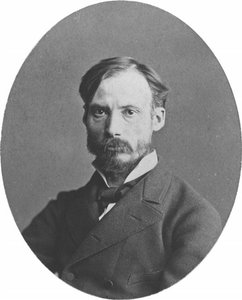
1841 - 1919 , Fransa

Pierre-Auguste Renoir'ın en ikonik 25 eserini keşfedin! İzlenimci stilin büyüsü, renkli tabloları ve unutulmaz portreleri ile sanatçının dünyasına adım atın. Ev dekorasyonunuz için lüks baskılar Most-Famous-Paintings'ta. Koleksiyonu şimdi keşfedin!
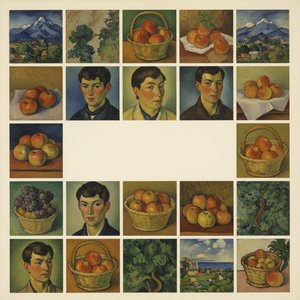
Paul Cézanne'ın en iyi 25 eserini keşfedin! Modern sanatın öncüsü Cézanne'ın post empresyonist tabloları, natürmortları ve renkli manzaralarıyla evinizi sanatsal bir atmosfere taşıyın. Most-Famous-Paintings.com'da yüksek kaliteli sanat baskıları ve dekor fikirleri sizi bekliyor.
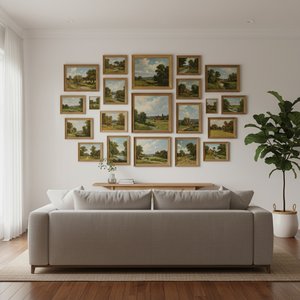
John Constable'ın en iyi 25 eserini keşfedin! İngiliz manzara sanatının büyülü dünyasına dalın, romantizm akımını ve kırsal yaşamı yansıtan tablolarla evinizi zenginleştirin. Sanat reproduksiyonları Most-Famous-Paintings'ta.

Journey into the heart of Impressionism! Explore 10 masterpieces by Monet, Renoir & Degas that revolutionized landscape art. Discover their stories, techniques & find museum-quality reproductions to elevate your home decor on Most-Famous-Paintings.com.
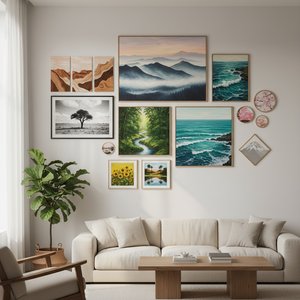
Journey through 10 breathtaking landscape paintings by Monet, Van Gogh & more! Explore iconic artworks, artistic techniques & find inspiration for your home decor. Museum-quality reproductions at Most-Famous-Paintings.com. Discover all masterpieces on Most-Famous-Paintings.com


En son sanat haberlerinden, özel tekliflerden ve dekorasyon fikirlerinden haberdar olun.
Projenizden bize bahsedin; sanat uzmanlarımız size özel 3 sanat eseri önerisi sunsun.
Size Özel 3 Seçeneği Ücretsiz Olarak Hazırlayalım!


 Önizleme yap
 Paylaş
 Paylaş
 Detayları Gör

 İndir
İndir
 Benzerlerini gör
 X-Işını
 Slayt Gösterisi
 Tümünü Gör







 Cam seçeneği yalnızca 110 cm altındaki boyutlar için mevcuttur.