x

 Acrylic On CanvasWallArtRealism
 1895
1895 40.0 x 31.0 cm
Sanatçılarımız tarafından sipariş üzerine hazırlanan; istediğiniz boyut ve çerçevede, tuval üzerine el boyaması yağlı boya. ( Baskı satın al Görsel satın al)





























Eserin orijinal oranlarıyla uyumlu, önceden belirlenmiş boyutlarımız arasından seçim yapın.

Belirli bir çerçeveye veya alana uyması için kendi boyutlarınızı girebilirsiniz. Seçtiğiniz boyut orijinal görüntünün oranlarıyla eşleşmiyorsa, sanat eserini kırparak veya ek el boyaması öğelerle resmi uzatarak ayarlayacağız. Üretim başlamadan önce onayınız için dijital bir taslak gönderilecektir.
Lütfen ekrandaki önizlemenin gerçek kırpmayı veya uzatmayı yansıtmadığını unutmayın. Nihai kompozisyonu yalnızca hazırlanan taslak doğru şekilde gösterecektir.
Özel boyutlar mevcut olsa da, orijinal oranları korumak adına önceden tanımlanmış listeden bir boyut seçmenizi öneririz.
Dünya Çapında Teslimat (); standart 5 hafta yerine 3/4 haftada. (14 Ağustos). Kaliteden ödün verilmez.


The Path
Reproduksiyon Boyutu
Pierre-Auguste Renoir's “The Path,” painted in 1895, stands as a quintessential embodiment of Impressionism—a movement dedicated to capturing fleeting moments of beauty and emotion through light and color. Measuring 40 x 31 cm, this oil on canvas piece resides firmly within the Realism style, despite its luminous palette and airy atmosphere. It’s more than just a picturesque landscape; it's an invitation into a realm of serene contemplation.
At first glance, “The Path” presents a deceptively simple composition: a verdant field dominates the canvas, punctuated by mature trees that reach upwards towards a sky ablaze with hues of azure and pearl. Renoir skillfully employs light—a cornerstone of Impressionist technique—to illuminate the scene. As detailed in scholarly articles examining Light in Painting, artists like Renoir meticulously observe how sunlight transforms surfaces, influencing color perception and creating textural nuances. The dappled sunlight filtering through the foliage lends an ethereal quality to the landscape, fostering a palpable sense of warmth and tranquility.
However, “The Path” distinguishes itself from purely representational landscapes by incorporating two figures—a man and a woman—who stroll along the path. Their placement isn't accidental; it serves to underscore the harmonious relationship between humanity and nature. These individuals aren’t merely incidental additions; they are active participants in the scene, suggesting an awareness of beauty and inviting viewers to consider their own connection with the natural world. This subtle human element elevates the painting beyond mere visual spectacle.
The influence of fellow artists like John Constable—whose “A Wooded Path” similarly explores the grandeur of rural landscapes—and Cornelis Hendrickszoon Vroom—creator of “Forest Road with Two Horse-Drawn Carts”—can be discerned in Renoir’s approach. Like these masters, Renoir prioritizes capturing the essence of a particular moment in time, prioritizing emotional resonance over precise detail. These comparative works highlight the shared ambition to portray natural beauty while subtly conveying human experience.
"The Path" speaks volumes about Renoir’s artistic philosophy—a belief that art should evoke feelings rather than simply documenting reality. The tranquil setting, combined with the presence of figures engaged in quiet activity, fosters a mood of serenity and invites viewers to savor the beauty of the natural world. It's a painting designed not just to be seen but to be felt, cementing Renoir’s legacy as one of Impressionism’s foremost luminaries.

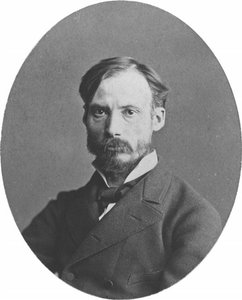
1841 - 1919 , Fransa

Pierre-Auguste Renoir'ın en ikonik 25 eserini keşfedin! İzlenimci stilin büyüsü, renkli tabloları ve unutulmaz portreleri ile sanatçının dünyasına adım atın. Ev dekorasyonunuz için lüks baskılar Most-Famous-Paintings'ta. Koleksiyonu şimdi keşfedin!

Journey into the heart of Impressionism! Explore 10 masterpieces by Monet, Renoir & Degas that revolutionized landscape art. Discover their stories, techniques & find museum-quality reproductions to elevate your home decor on Most-Famous-Paintings.com.
Journey through 10 breathtaking landscape paintings by Monet, Van Gogh & more! Explore iconic artworks, artistic techniques & find inspiration for your home decor. Museum-quality reproductions at Most-Famous-Paintings.com. Discover all masterpieces on Most-Famous-Paintings.com
Paul Cézanne'ın en iyi 25 eserini keşfedin! Modern sanatın öncüsü Cézanne'ın post empresyonist tabloları, natürmortları ve renkli manzaralarıyla evinizi sanatsal bir atmosfere taşıyın. Most-Famous-Paintings.com'da yüksek kaliteli sanat baskıları ve dekor fikirleri sizi bekliyor.

Explore the rich history of landscape art with Most-Famous-Paintings. Discover renowned artists, movements like Impressionism & Romanticism, and expert guidance for collecting timeless pieces. Find your perfect serene escape today!


En son sanat haberlerinden, özel tekliflerden ve dekorasyon fikirlerinden haberdar olun.
Projenizden bize bahsedin; sanat uzmanlarımız size özel 3 sanat eseri önerisi sunsun.
Size Özel 3 Seçeneği Ücretsiz Olarak Hazırlayalım!


 Önizleme yap
 Paylaş
 Paylaş
 Detayları Gör

 İndir
İndir
 Benzerlerini gör
 X-Işını
 Slayt Gösterisi
 Tümünü Gör







 Cam seçeneği yalnızca 110 cm altındaki boyutlar için mevcuttur.