


x
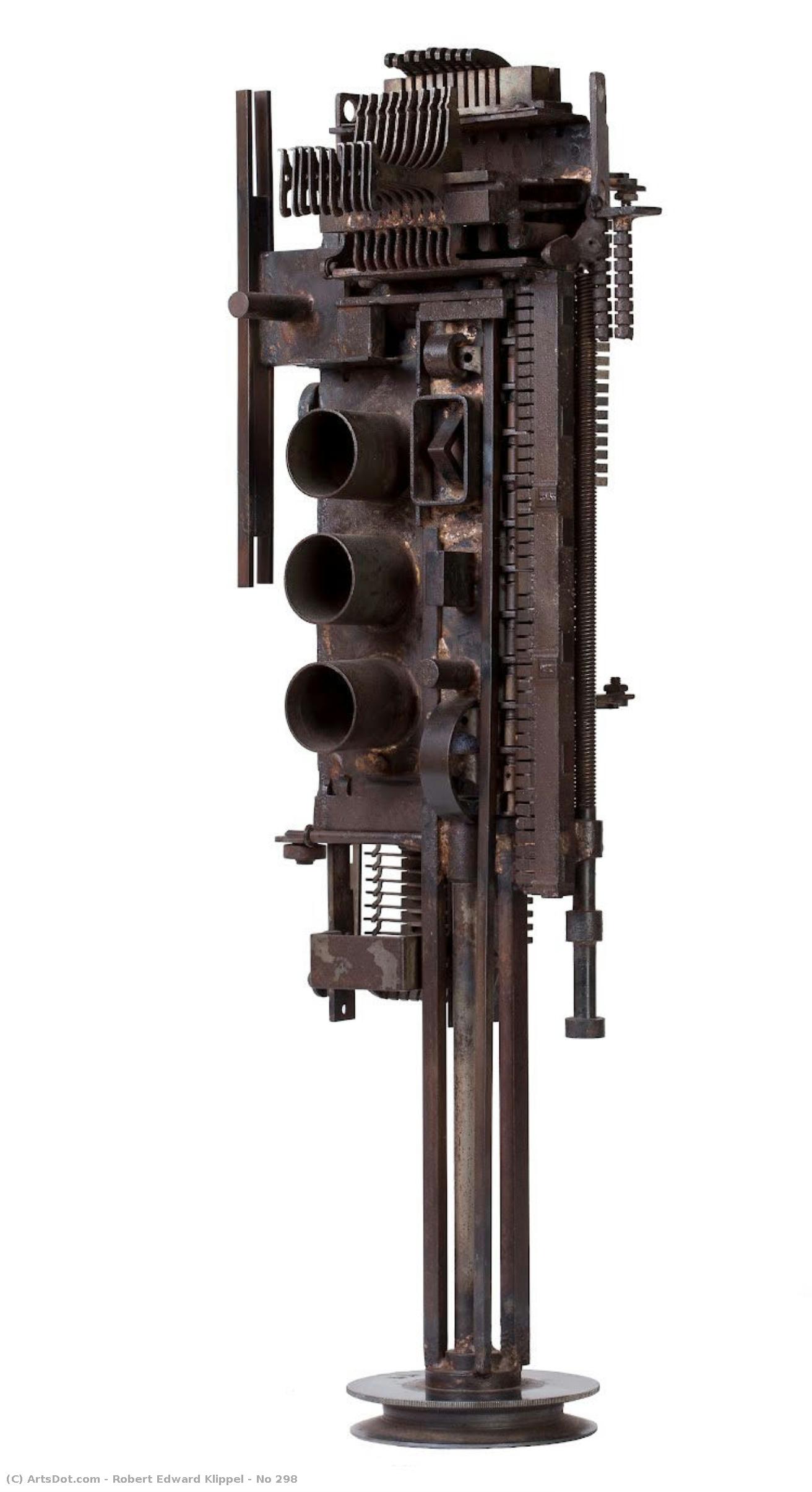
 1974
1974 48.0 x 17.0 cm
 Penrith Regional Gallery - Lewers Mirası Evi
Çevrimiçi önizlemeden çok daha üstün, yüksek çözünürlüklü ve iyileştirilmiş bir dijital görüntü satın alın.
Her dosya, uzman ekibimiz tarafından gelişmiş araçlar ve titiz manuel rötuş teknikleri kullanılarak özenle hazırlanır. Her görüntünün olağanüstü netliğe, kusursuz renk doğruluğuna ve ince ayrıntılara sahip olduğundan emin oluruz.
Son dosya; profesyonel, editoryal ve baskı süreçlerinde anında kullanıma uygun şekilde optimize edilerek 72 saat içinde e-posta yoluyla teslim edilir. Bu, seçkin tasarım stüdyoları, yayıncılar ve galerilerin güvendiği aynı kalite standartlarındadır.
Kişisel sergileme, baskı ve yaratıcı projeleriniz için yüksek çözünürlüklü bir dosya indirin. ( Baskı satın al El yapımı tablo satın al)
Most-Famous-Paintings.com seçtiğinizde, sadece bir görsel edinmekle kalmaz; titizlikle hazırlanmış, profesyonelce iyileştirilmiş dijital bir sanat eserine sahip olur ve memnuniyet garantisiyle güvence altına alınırsınız. Siparişinizle birlikte otomatik olarak sunulan her şey şunlardır:

Yüksek çözünürlüklü dijital görüntü dosyanız, siparişinizin üzerinden en geç 72 saat geçmeden e-posta ile size gönderilecektir; hemen kullanıma hazırdır.

Sanat eseriniz; maksimum detay, netlik ve renk doğruluğu sağlamak amacıyla gelişmiş yapay zeka araçları ve manuel düzenleme kullanılarak profesyonelce optimize edilmektedir.

Dosyanızı yanlışlıkla mı sildiniz yoksa kayıp mı oldu? Endişelenmeyin; dosyanızı dilediğiniz zaman size ücretsiz olarak tekrar göndereceğiz.

Sanat eserinizin tadını gümrük vergisi, harç veya teslimat ücreti ödemeden anında çıkarın; dijital indirmeler her zaman vergiden muaftır.

Profesyonel araçlar ve renk yönetimi kullanarak dijital görselinizin orijinal renklere mümkün olduğunca yakın yansıtılmasını sağlıyoruz.

If you're not satisfied with your digital image, we'll revise it or refund 100% within 60 days - no questions asked.

Memnun kalmadınız mı? Dijital dosyanızı aldıktan sonraki 60 gün içinde, hiçbir soru sorulmaksızın tam iade alın.

Buy 3 images, save 10% - Buy 5, save 15% - Buy 10+, save 20%. Great for creative projects, galleries, and agencies.

Robert Klippel, born in Potts Point, Sydney, on June 19, 1920, possessed an innate inclination towards construction from a young age. This early fascination wasn’t rooted in formal artistic training but rather in the practical joy of making—specifically, building model ships. These weren't mere toys; they were meticulously crafted representations born from a childhood ferry ride on Sydney Harbour that sparked a lifelong passion for form and structure. This initial impulse would unexpectedly intertwine with his wartime experiences. Enlisting in the Royal Australian Navy in 1939, Klippel found himself employed not as a combatant but as a model-maker at the Naval Gunnery, tasked with creating miniature aircraft and ships for training purposes. This period honed his technical skills and instilled a deep understanding of spatial relationships—a foundation that would prove crucial to his later artistic endeavors.
Though he briefly enrolled in sculpture studies at East Sydney Technical College after the war, Klippel quickly found the constraints of traditional education stifling. He yearned for exploration beyond established norms, leading him to London in 1947 and then Paris, seeking immersion in the burgeoning modernist art scene. It was during these formative years that he encountered James Gleeson, a pivotal figure in Australian Surrealism, with whom he embarked on a significant collaborative carving—a work titled “Madame Sophie Sesostoris” (1947-48). This piece, brimming with pre-Raphaelite satire and surrealist undertones, marked an early foray into the complex interplay of organic and mechanical forms that would define his artistic trajectory.
Klippel’s time in Europe was transformative. He absorbed the ideas of Picasso and other modernist masters, engaging with the principles of constructionism while simultaneously delving into the subconscious realms explored by André Breton and the French Surrealists. Upon returning to Australia in 1950, he further refined his technical abilities through night courses in welding, silver soldering, and panel beating—skills that unlocked new possibilities for sculptural expression. He wasn’t simply adopting techniques; he was forging a unique visual language. His sculptures began to move away from figurative representation towards abstraction, driven by an ambition to synthesize the seemingly opposing forces of organic life and mechanical precision.
A sojourn in New York during the late 1950s proved equally influential. It was here that Klippel discovered the potent potential of “junk” materials—discarded metal objects imbued with a history and character of their own. These found elements weren’t merely repurposed; they were integrated into rigorously abstract assemblages, pulsating with an almost biological energy. He saw beauty in the discarded, finding within them the raw components for his vision of a dynamic interplay between nature and technology.
From 1963 until his death in 2001, Klippel resided permanently in Sydney, establishing a home and studio in Birchgrove where he worked with unwavering dedication. He maintained a remarkably prolific output, producing approximately 1,300 sculptures and an astonishing 5,000 drawings throughout his career. His association with the Watters Gallery—and its directors Frank Watters and Geoffrey Legge—was instrumental in showcasing his work to a wider audience.
Alongside his artistic practice, Klippel was a dedicated teacher, holding positions at various institutions including the National Art School. He didn’t seek to impose a specific style on his students but rather encouraged them to explore their own creative impulses and develop a personal visual vocabulary. His teaching philosophy mirrored his approach to art—a commitment to experimentation, innovation, and the pursuit of individual expression.
Robert Klippel is widely regarded as Australia’s greatest sculptor, a title earned through decades of consistent artistic exploration and an unwavering dedication to his unique vision. His sculptures are not merely objects; they are complex metaphors for the tensions and harmonies inherent in modern life—a synthesis of organic growth and mechanical structure. He was awarded an Order of Australia medal in 1988, recognizing his significant contribution to the nation’s cultural landscape.
His work transcends national boundaries, resonating with international audiences through its universal themes and innovative use of materials. Critics have drawn parallels between Klippel's sculptures and those of David Smith, acknowledging his place among the most important sculptors of the 20th century. Klippel’s legacy lies not only in the sheer volume and quality of his work but also in his ability to transform discarded objects into compelling statements about the human condition—a testament to the power of imagination and the enduring beauty found within the unexpected.

1920 - 2001 , Australia


En son sanat haberlerinden, özel tekliflerden ve dekorasyon fikirlerinden haberdar olun.
Projenizden bize bahsedin; sanat uzmanlarımız size özel 3 sanat eseri önerisi sunsun.
Size Özel 3 Seçeneği Ücretsiz Olarak Hazırlayalım!


 Önizleme yap
 Paylaş
 Paylaş
 Detayları Gör

 İndir
İndir
 Benzerlerini gör
 X-Işını
 Slayt Gösterisi
 Tümünü Gör


