x

Hızlı üretim ve esnek bitiş seçenekleriyle müze kalitesinde giclée veya kanvas baskı. ( El yapımı tablo satın al Görsel satın al)





























Eserin orijinal oranlarıyla uyumlu, önceden belirlenmiş boyutlarımız arasından seçim yapın.

Belirli bir çerçeveye veya alana uyması için kendi ölçülerinizi girebilirsiniz. Seçtiğiniz boyut orijinal görüntünün oranlarıyla eşleşmiyorsa, sanat eserini kırpacağız veya görüntüyü aynalanmış ya da düz dolgulu bir kenarlıkla genişleteceğiz. Üretim başlamadan önce onayınız için bir dijital taslak gönderilecektir.
Lütfen ekrandaki önizlemenin gerçek kırpma veya genişletmeyi yansıtmadığını unutmayın. Nihai kompozisyonu yalnızca taslak doğru bir şekilde gösterecektir.
Özel boyutlar mevcut olsa da, orijinal oranları korumak için önceden tanımlanmış listeden bir boyut seçmenizi öneririz.
Dünya Çapında Teslimat (); standart 4/5 hafta yerine 2 haftada. (16 Ağustos)


Athene And The Centaur
Reproduksiyon Boyutu
Sandro Botticelli’s “Athene and the Centaur,” a captivating oil painting from around 1482, isn't merely a depiction of mythological figures; it’s a carefully constructed allegory brimming with symbolism and reflecting the intellectual currents of the burgeoning Renaissance. This work, now housed within the Uffizi Gallery in Florence, offers a glimpse into Botticelli’s masterful command of classical themes, his meticulous attention to detail, and his ability to imbue seemingly simple scenes with profound meaning. The painting immediately draws the eye to Victoria – often identified as Pallas Athena, the Greek goddess of wisdom and strategic warfare – who stands poised and resolute in the foreground. Her armor, a testament to her authority, is adorned with laurel wreaths, symbols of victory and intellectual prowess. She’s not simply observing; she's actively intervening, grasping the centaur’s hair with a decisive gesture that halts his predatory advance.
The central figure of the centaur presents a compelling counterpoint to Victoria’s controlled power. He embodies primal instinct, untamed desire, and the allure of the natural world – a potent force constantly battling against reason and restraint. His muscular physique and aggressive stance suggest a raw, almost animalistic energy, while his bow is drawn, poised to unleash a deadly shot. The dynamic triangular composition—Victoria, the centaur, and the implied architectural backdrop—creates a sense of movement and tension, mirroring the ongoing struggle between opposing forces. Botticelli’s skill lies not just in rendering these figures realistically, but in conveying their inherent drama through posture, gesture, and expression.
Botticelli's technique is characterized by a remarkable layering of oil paints, building up complex forms and textures with painstaking precision. The artist masterfully employs chiaroscuro – the dramatic contrast between light and shadow – to highlight Victoria’s regal presence, casting her in a radiant glow while simultaneously emphasizing the darkness surrounding the centaur. Notice how the folds of his clothing are rendered with meticulous detail, mimicking the texture of fabric through subtle brushstrokes. Similarly, the landscape behind them—a river flowing towards distant hills—is painted with atmospheric perspective, creating a sense of depth and space that anchors the scene within a believable world.
The color palette is predominantly earthy – ochres, browns, and greens – punctuated by flashes of gold, particularly in Victoria’s armor and the architectural elements. This restrained use of vibrant hues contributes to the painting's overall sense of solemnity and gravitas. Botticelli’s attention to detail extends beyond mere representation; he uses color to subtly reinforce the symbolic meaning of the scene. The green foliage surrounding the centaur, for example, might represent the untamed wilderness from which he originates, while Victoria’s golden armor symbolizes her divine authority and victory over earthly passions.
“Athene and the Centaur” is deeply rooted in classical mythology. The story it depicts draws upon ancient Greek tales of Pallas Athena's confrontation with a centaur who attempted to seduce or harm her. However, Botticelli doesn’t simply recreate this myth; he transforms it into an allegory for broader Renaissance concerns. During the 15th century, Florence was experiencing a renewed interest in classical learning and philosophy, fueled by the rediscovery of ancient Greek texts. Humanists like Botticelli sought to integrate classical ideals—such as reason, virtue, and the balance between opposing forces—into their art.
The painting can be interpreted as an exploration of the tension between intellect and instinct, order and chaos. Victoria represents the triumph of reason and virtue over primal desires, while the centaur embodies the untamed instincts that threaten to disrupt social harmony. Furthermore, the inclusion of the Medici family’s emblem – three interlocking rings – on Victoria's attire suggests a deliberate connection to the powerful Florentine banking dynasty, subtly aligning the painting with their patronage and aspirations for civic virtue. It is a work rich in layers of meaning, inviting viewers to contemplate the complexities of human nature and the enduring power of classical ideals.
Botticelli’s “Athene and the Centaur” remains a profoundly moving and intellectually stimulating artwork. Most-Famous-Paintings offers meticulously crafted hand-painted reproductions that capture the essence of this Renaissance masterpiece, allowing you to bring its beauty and symbolism into your home or office. Our skilled artists faithfully recreate Botticelli's intricate details, vibrant colors, and dramatic lighting, ensuring that your reproduction is a true work of art in its own right. Whether you’re an art enthusiast, a collector, or simply seeking a stunning piece of décor, a Most-Famous-Paintings reproduction of “Athene and the Centaur” offers a timeless connection to one of the Renaissance's greatest artistic achievements.

Floransa’nın kalbinde, 1445 yılında doğan Alessandro di Mariano di Vanni Filipepi, sanat tarihine Sandro Botticelli olarak geçecek bir dâhinin ilk adımıydı. Ognissanti mahallesinde büyüyen genç Alessandro, kısa sürede “Küçük Fıçı” lakabıyla tanınacak ve Floransa’nın o dönemki canlı sanat atmosferi içinde kendine özgü bir yer edinecekti. Babasının önce kuyumculuk, sonra dericilik mesleği, onun ince işçiliğe olan ilgisini şekillendirirken, Fra Filippo Lippi'nin atölyesinde aldığı resim eğitimi ise yeteneğini parlatma fırsatı sundu. Bu dönemde Medici ailesi gibi güçlü patronlarla tanışması, sanatının gelişiminde önemli bir rol oynadı.
Botticelli’nin sanatsal tarzı, geç Gotik gelenekleri ve yükselen Rönesans estetiği arasında ustaca bir köprü kurdu. Fra Angelico ve Paolo Uccello gibi ustalardan etkilenmiş olsa da, kendine has bir vizyonla onları aştı. Eserlerinde zarif çizgiler, akıcı formlar ve yumuşak renk kullanımı ön plana çıkarken, figürleri mistik bir güzellikle canlandırdı. Botticelli’nin en belirgin özelliklerinden biri, eserlerine sıkça mitolojik ögeler katmasıydı. Antik Yunan ve Roma mitolojisinden ilham alarak aşk, güzellik ve ruhani arayış gibi evrensel temaları işledi. Bu sadece bir illüstrasyon değil, aynı zamanda antik hikâyelere yeni anlamlar yükleme çabasıydı.
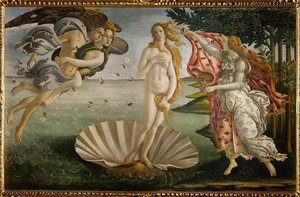
Teknik açıdan Botticelli, döneminin ötesine geçen yenilikler getirdi. Gümüş kalem tekniğiyle yaptığı ön çizimler, eserlerine ışık ve detay katarken, tempera boyaların kullanımı canlı renklerin elde edilmesini sağladı. Daha sonra yağlı boyalara yönelmesi ise ifade olanaklarını genişletti. Venüs'ün Doğuşu (1482-1486) ve Primavera (İlkbahar) gibi başyapıtları, kompozisyon yeteneğini, atmosferik derinlik yaratma becerisini ve insan duygularını anlamasını gözler önüne seriyor. Venüs'ün Doğuşu, Rönesans ideallerini somutlaştıran bir alegori olarak sanat tarihinde ölümsüzleşirken, Primavera ise karmaşık sembolizmiyle izleyiciyi büyülemeye devam ediyor.
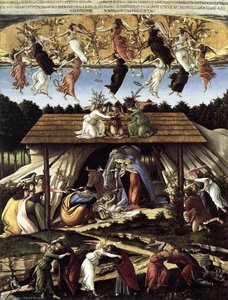
Sanatının farklı evreleri gözlemlenebilir. 1470’lerin başında dini konulara yoğunlaşarak teknik becerilerini geliştirdi ve ün kazandı. 1480’ler, yaratıcılığının zirvesi olarak kabul edilirken, bu dönemde mitolojik başyapıtlarını yarattı. Ancak 1490’ların sonu, Girolamo Savonarola'nın ateşli vaazlarının etkisiyle sanatsal bir dönüşüme işaret etti. Bu dönem eserlerinde daha sade ve duygusal bir ifade tarzı hakim oldu, ruhani yoğunluk ön plana çıktı. Örneğin, Gizemli Doğuş (1501) bu değişimin önemli bir göstergesi.
Sanatçının 1510'daki ölümünden sonra ünü giderek azaldı. Yaklaşık üç yüzyıl boyunca unutulmaya yüz tutan Botticelli, 19. yüzyılın sonlarında İngiliz sanatçı grubu Pre-Raphaelite Brotherhood’un ilgisiyle yeniden keşfedildi. Bu grup, akademik kuralları reddederek İtalyan Rönesansının erken dönemlerine yöneldi ve Botticelli'nin zarif çizgilerini, canlı renklerini ve şiirsel duyarlılığını takdir etti.
Bu yeniden değerlendirme, sanat tarihine olan katkısını ortaya koyarak onu Erken Rönesans’ın en önemli sanatçılarından biri olarak kabul edilmesini sağladı. Günümüzde Botticelli, eşsiz sanatsal vizyonu, ustalıkla kullandığı teknikler ve güzelliği, duyguyu ve ruhani düşünceyi uyandırma yeteneğiyle tanınıyor. Eserleri, sonraki nesillere ilham vermeye devam ediyor ve Floransa sanatının sembolü olarak kalbimizde yaşamaya devam ediyor.
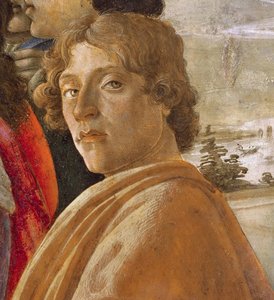
1445 - 1510 , İtalya

Explore the rigorous beauty of Academic Classicism. Discover the principles of order, precision, and historical reverence that define this timeless art movement through an expert guide to its enduring legacy and technical mastery.

Explore the profound history and technical brilliance of oil on panel painting. From Renaissance masters to modern techniques, discover why this rigid support offers unparalleled precision and permanence for fine art lovers and collectors.


En son sanat haberlerinden, özel tekliflerden ve dekorasyon fikirlerinden haberdar olun.
Projenizden bize bahsedin; sanat uzmanlarımız size özel 3 sanat eseri önerisi sunsun.
Size Özel 3 Seçeneği Ücretsiz Olarak Hazırlayalım!


 Önizleme yap
 Paylaş
 Paylaş
 Detayları Gör

 İndir
İndir
 Benzerlerini gör
 X-Işını
 Slayt Gösterisi

 Tümünü Gör







 Cam seçeneği yalnızca 110 cm altındaki boyutlar için mevcuttur.