x

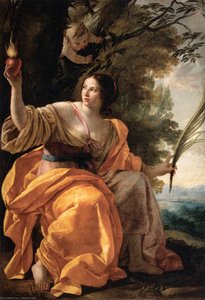
 Tuval Üzerine Yağlı BoyaDuvar SanatıFrench Baroque
 1622Erken Modern Dönem
 375.0 x 225.0 cm
 Chiesa del Gesù
Hızlı üretim ve esnek bitiş seçenekleriyle müze kalitesinde giclée veya kanvas baskı. ( El yapımı tablo satın al Görsel satın al)





























Eserin orijinal oranlarıyla uyumlu, önceden belirlenmiş boyutlarımız arasından seçim yapın.

Belirli bir çerçeveye veya alana uyması için kendi ölçülerinizi girebilirsiniz. Seçtiğiniz boyut orijinal görüntünün oranlarıyla eşleşmiyorsa, sanat eserini kırpacağız veya görüntüyü aynalanmış ya da düz dolgulu bir kenarlıkla genişleteceğiz. Üretim başlamadan önce onayınız için bir dijital taslak gönderilecektir.
Lütfen ekrandaki önizlemenin gerçek kırpma veya genişletmeyi yansıtmadığını unutmayın. Nihai kompozisyonu yalnızca taslak doğru bir şekilde gösterecektir.
Özel boyutlar mevcut olsa da, orijinal oranları korumak için önceden tanımlanmış listeden bir boyut seçmenizi öneririz.
Dünya Çapında Teslimat (); standart 4/5 hafta yerine 2 haftada. (24 Ağustos)


ÇÖKÜNTÜ
Reproduksiyon Boyutu
In the annals of French art history, few works capture the raw, visceral pulse of the Baroque era as profoundly as Simon Vouet’s Crucifixion. Completed in 1622, this monumental canvas serves as a breathtaking window into an age defined by spiritual fervor and dramatic realism. At its heart, the painting presents the pivotal moment of Christ's sacrifice, yet it transcends mere religious iconography to become a profound study of human suffering and divine grace. Vouet, a pioneer who bridged the gap between the stylized abstractions of Mannerism and the emotive power of the Baroque, utilizes the scene to invite the viewer into a state of deep, spiritual contemplation.
The composition is a masterclass in orchestrated tension. Christ dominates the vertical axis, his body rendered with an anatomical precision that honors humanist ideals while emphasizing the physical toll of the crucifixion. Surrounding him, a constellation of mourners creates a sea of grief that anchors the divine event to the earthly realm. On the left, Mary Magdalene kneels in a posture of heartbreaking devotion, her red robes providing a striking visual anchor amidst the somber tones. Nearby, the Virgin Mary embodies maternal agony, her blue drapery and sorrowful gaze reflecting a universal experience of loss. Through this carefully arranged pyramidal structure, Vouet guides the eye upward, from the heavy, earth-bound grief of the disciples to the luminous, transcendent figure of Christ.
Technically, the Crucifixion is a triumph of chiaroscuro. Vouet employs a dramatic interplay of light and shadow to sculpt form and heighten the painting's emotional intensity. This technique, heavily influenced by his formative years in Italy and the works of Caravaggio, allows the light to strike the figures with a theatrical brilliance, pulling them out from the surrounding darkness. The shadows are not merely absences of light but are deep, velvety textures that add weight and mystery to the atmosphere. By utilizing sophisticated glazing techniques, Vouet achieved a luminous quality in the skin tones and a rich, tactile depth in the folds of the heavy fabrics, making the scene feel almost tangible to the observer.
The color palette is intentionally somber, dominated by deep earth tones, rich ochres, and the symbolic blues and reds of the holy figures. This restrained use of color ensures that the viewer's focus remains on the emotional narrative and the dramatic lighting. For the discerning collector or interior designer, this painting offers a profound sense of gravitas. It is a piece that does not merely decorate a space but transforms it, providing a focal point of immense historical significance and aesthetic sophistication. Whether placed in a grand gallery or a curated private study, Vouet’s work commands attention through its ability to evoke a visceral, emotional response, making it an enduring inspiration for those who appreciate the intersection of technical mastery and spiritual depth.

Simon Vouet, Fransız resminin Maniyerizm'den Barok tarzına geçişindeki kilit bir figürdü. Sanatçı bir ailede doğdu; babası Laurent ressamdı ve erkek kardeşi Aubin de sanata yönelmişti. Vouet, gelecekteki başarısının temelini atan erken eğitim aldı. Torunu Ludovico Dorigny ise ailenin sanatsal mirasını sürdürecekti.
İtalyan konaklaması sırasında Vouet, çeşitli etkileri özümsedi. Caravaggio tarafından öncülük edilen dramatik ışıklandırma tekniklerini inceledi, İtalyan Maniyerizmi unsurlarını benimsedi ve Paolo Veronese'nin kullandığı renk paletlerini ve di sotto in su (perspektif) tekniğini titizlikle analiz etti. Ayrıca Carracci, Guercino, Lanfranco ve Guido Reni'nin eserlerinden de ilham alarak bu çeşitli stilleri eşsiz bir sanatsal vizyonda sentezledi.
Simon Vouet'nin mirası, İtalyan ve Fransız sanatı arasındaki köprüdeki kilit rolüne dayanır. İtalyan Barok'un dinamizmini ve ihtişamını başarıyla ithal ederek, onu Fransız sarayının ve aristokrasisinin zevkleriyle yankı uyandıran bir stile dönüştürdü. Onun etkisi, 17. yüzyılda Fransız resminin gelişiminde yadsınamazdır ve katkıları bugün hala sanat tarihçileri tarafından takdir edilmektedir.

1590 - 1649 , Fransa

Explore the profound elegance of Baroque Classicism. Discover how 17th-century masters synthesized dramatic emotion with classical order through the lens of the Counter-Reformation and the works of legends like Carlo Maratta and Andrea Sacchi.

Explore the dramatic power of Baroque art through an expert guide to light, shadow, and emotion. Discover how the Counter-Reformation shaped 17th-century masterpieces and learn about the profound techniques used by the Old Masters to inspire awe.

Explore the dramatic evolution from Mannerist distortion to Baroque grandeur. Discover how light, shadow, and emotion redefined art history through a masterclass in technical mastery and religious fervor.

Explore the profound differences between Baroque drama and Rococo elegance. Our expert guide delves into art history, chiaroscuro, and the evolution of European masterpieces for collectors and enthusiasts seeking deep historical context.

Explore the dramatic world of Baroque portraiture. Discover how masters used chiaroscuro and light to evoke profound emotion during the Counter-Reformation. A definitive guide for art enthusiasts seeking to understand the power of 17th-century masterpieces.


En son sanat haberlerinden, özel tekliflerden ve dekorasyon fikirlerinden haberdar olun.
Projenizden bize bahsedin; sanat uzmanlarımız size özel 3 sanat eseri önerisi sunsun.
Size Özel 3 Seçeneği Ücretsiz Olarak Hazırlayalım!


 Önizleme yap
 Paylaş
 Paylaş
 Detayları Gör

 İndir
İndir
 Benzerlerini gör
 X-Işını
 Slayt Gösterisi
 Tümünü Gör







 Cam seçeneği yalnızca 110 cm altındaki boyutlar için mevcuttur.