x

 Tuval Üzerine Akrilik BoyaDuvar SanatıBaroque Classicism
 1623
1623 126.0 x 157.0 cm
 Staatliche Museen
Hızlı üretim ve esnek bitiş seçenekleriyle müze kalitesinde giclée veya kanvas baskı. ( El yapımı tablo satın al Görsel satın al)





























Eserin orijinal oranlarıyla uyumlu, önceden belirlenmiş boyutlarımız arasından seçim yapın.

Belirli bir çerçeveye veya alana uyması için kendi ölçülerinizi girebilirsiniz. Seçtiğiniz boyut orijinal görüntünün oranlarıyla eşleşmiyorsa, sanat eserini kırpacağız veya görüntüyü aynalanmış ya da düz dolgulu bir kenarlıkla genişleteceğiz. Üretim başlamadan önce onayınız için bir dijital taslak gönderilecektir.
Lütfen ekrandaki önizlemenin gerçek kırpma veya genişletmeyi yansıtmadığını unutmayın. Nihai kompozisyonu yalnızca taslak doğru bir şekilde gösterecektir.
Özel boyutlar mevcut olsa da, orijinal oranları korumak için önceden tanımlanmış listeden bir boyut seçmenizi öneririz.
Dünya Çapında Teslimat (); standart 4/5 hafta yerine 2 haftada. (22 Ağustos)


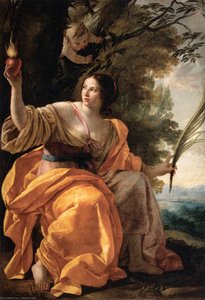
Sophonisba Chalısı Alıyor
Reproduksiyon Boyutu
Simon Vouet's “Sophonisba Receiving the Poisoned Chalice,” completed around 1623, stands as a cornerstone of French Baroque painting and a masterful depiction of biblical drama. Executed in Classicism style, it captures a pivotal scene from Livy’s Historia ab urbe condita – the agonizing final act of Sophonisba, Queen of Numidia, who succumbed to poison after delivering her husband's severed head to Rome as a gesture of defiance against Scipio Africanus. Vouet skillfully blends meticulous realism with theatrical lighting and compositional dynamism, cementing its place within the canon of European art history.
The painting’s impact begins immediately upon entering the viewer’s gaze. Vouet arranges his figures in a carefully orchestrated tableau that draws attention to the central drama unfolding before us. Dominating the canvas is Sophonisba herself, positioned centrally and bathed in an ethereal glow emanating from the upper right corner – a technique characteristic of Baroque art designed to heighten emotional intensity. Her posture exudes quiet dignity despite her impending doom; she holds aloft a chalice containing the poison that will seal her fate, while her gaze meets that of an elderly maid who stands behind her, conveying palpable despair and foreshadowing tragedy. The inclusion of two additional figures – one distant and contemplative, the other closer to the right side of the painting – adds depth to the scene and reinforces the narrative’s solemn atmosphere.
Vouet's mastery lies in his masterful manipulation of oil paint on canvas. He employs a technique known as sfumato—characterized by subtle gradations of tone—to create an illusionistic effect that renders the figures and landscape with remarkable clarity and luminosity. The artist’s meticulous attention to detail is evident in every brushstroke, from the folds of Sophonisba's robe to the texture of the stone pillar supporting her. Notably, Vouet utilizes dramatic chiaroscuro – contrasting light and dark—to sculpt form and emphasize emotional expression. This technique powerfully illuminates Sophonisba’s face and hands, highlighting her vulnerability and conveying the gravity of the moment. The landscape backdrop contributes significantly to the painting's mood, depicting a twilight sky ablaze with color, mirroring the inner turmoil of the depicted figures.
Beyond its technical brilliance, “Sophonisba Receiving the Poisoned Chalice” is rich in symbolic significance. Sophonisba’s regal attire—the ermine robe and radiant crown—represents her royal status and underscores the tragedy unfolding before us. The maid's sorrowful gaze symbolizes the universal human experience of grief and loss, serving as a poignant reminder of mortality. Furthermore, the chalice itself embodies the poison – both literal and metaphorical – representing the fatal consequences of defiance and ambition. Vouet’s deliberate use of color—particularly the warm hues of the sky—creates an emotional resonance that transcends mere visual representation.
Today, reproductions of Vouet's masterpiece offer art enthusiasts a chance to experience the grandeur and drama of Baroque artistry firsthand. Most-Famous-Paintings.com’s high-quality prints allow collectors and interior designers alike to appreciate the painting’s enduring beauty and artistic innovation—a testament to Simon Vouet’s genius and his contribution to European art history.

Simon Vouet, Fransız resminin Maniyerizm'den Barok tarzına geçişindeki kilit bir figürdü. Sanatçı bir ailede doğdu; babası Laurent ressamdı ve erkek kardeşi Aubin de sanata yönelmişti. Vouet, gelecekteki başarısının temelini atan erken eğitim aldı. Torunu Ludovico Dorigny ise ailenin sanatsal mirasını sürdürecekti.
İtalyan konaklaması sırasında Vouet, çeşitli etkileri özümsedi. Caravaggio tarafından öncülük edilen dramatik ışıklandırma tekniklerini inceledi, İtalyan Maniyerizmi unsurlarını benimsedi ve Paolo Veronese'nin kullandığı renk paletlerini ve di sotto in su (perspektif) tekniğini titizlikle analiz etti. Ayrıca Carracci, Guercino, Lanfranco ve Guido Reni'nin eserlerinden de ilham alarak bu çeşitli stilleri eşsiz bir sanatsal vizyonda sentezledi.
Simon Vouet'nin mirası, İtalyan ve Fransız sanatı arasındaki köprüdeki kilit rolüne dayanır. İtalyan Barok'un dinamizmini ve ihtişamını başarıyla ithal ederek, onu Fransız sarayının ve aristokrasisinin zevkleriyle yankı uyandıran bir stile dönüştürdü. Onun etkisi, 17. yüzyılda Fransız resminin gelişiminde yadsınamazdır ve katkıları bugün hala sanat tarihçileri tarafından takdir edilmektedir.

1590 - 1649 , Fransa

Explore the profound elegance of Baroque Classicism. Discover how 17th-century masters synthesized dramatic emotion with classical order through the lens of the Counter-Reformation and the works of legends like Carlo Maratta and Andrea Sacchi.

Explore the dramatic power of Baroque art through an expert guide to light, shadow, and emotion. Discover how the Counter-Reformation shaped 17th-century masterpieces and learn about the profound techniques used by the Old Masters to inspire awe.

Explore the dramatic world of Baroque portraiture. Discover how masters used chiaroscuro and light to evoke profound emotion during the Counter-Reformation. A definitive guide for art enthusiasts seeking to understand the power of 17th-century masterpieces.

Explore the dramatic evolution from Mannerist distortion to Baroque grandeur. Discover how light, shadow, and emotion redefined art history through a masterclass in technical mastery and religious fervor.


En son sanat haberlerinden, özel tekliflerden ve dekorasyon fikirlerinden haberdar olun.
Projenizden bize bahsedin; sanat uzmanlarımız size özel 3 sanat eseri önerisi sunsun.
Size Özel 3 Seçeneği Ücretsiz Olarak Hazırlayalım!


 Önizleme yap
 Paylaş
 Paylaş
 Detayları Gör

 İndir
İndir
 Benzerlerini gör
 X-Işını
 Slayt Gösterisi
 Tümünü Gör







 Cam seçeneği yalnızca 110 cm altındaki boyutlar için mevcuttur.