x

Sanatçılarımız tarafından sipariş üzerine hazırlanan; istediğiniz boyut ve çerçevede, tuval üzerine el boyaması yağlı boya. ( Baskı satın al Görsel satın al)





























Eserin orijinal oranlarıyla uyumlu, önceden belirlenmiş boyutlarımız arasından seçim yapın.

Belirli bir çerçeveye veya alana uyması için kendi boyutlarınızı girebilirsiniz. Seçtiğiniz boyut orijinal görüntünün oranlarıyla eşleşmiyorsa, sanat eserini kırparak veya ek el boyaması öğelerle resmi uzatarak ayarlayacağız. Üretim başlamadan önce onayınız için dijital bir taslak gönderilecektir.
Lütfen ekrandaki önizlemenin gerçek kırpmayı veya uzatmayı yansıtmadığını unutmayın. Nihai kompozisyonu yalnızca hazırlanan taslak doğru şekilde gösterecektir.
Özel boyutlar mevcut olsa da, orijinal oranları korumak adına önceden tanımlanmış listeden bir boyut seçmenizi öneririz.
Dünya Çapında Teslimat (); standart 5 hafta yerine 3/4 haftada. (18 Ağustos). Kaliteden ödün verilmez.


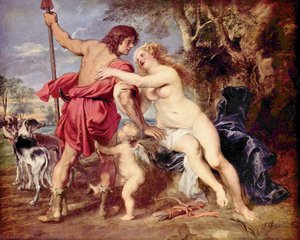
Venus and Adonis
Reproduksiyon Boyutu
Simon Vouet’s “Venus and Adonis,” painted in 1642, is a striking example of French Baroque art, showcasing the artist’s mastery of color, composition, and his assimilation of Italian artistic trends. This evocative scene depicts the poignant moment from Ovid's *Metamorphoses* where the mortal Adonis, captivated by hunting, rejects Venus’s advances, foreshadowing his tragic demise. The painting isn't merely a depiction of mythology; it's an exploration of love, desire, and mortality rendered with remarkable sensitivity.
Vouet, having spent over a decade in Italy (particularly Rome), was instrumental in introducing the dynamic energy and dramatic lighting characteristic of Italian Baroque painting to France. This work exemplifies that influence. Observe how Vouet utilizes tenebrism – the strong contrast between light and dark – to heighten the emotional intensity of the scene. The figures emerge from a shadowy forest setting, illuminated by strategically placed light sources that emphasize their forms and expressions. His brushwork is fluid and graceful, particularly evident in the rendering of Venus’s flowing drapery and Adonis' muscular physique. Vouet’s technique demonstrates a keen understanding of anatomy and perspective, hallmarks of his training within the Italian artistic milieu.
The 17th century was a period of significant artistic transition in France. While earlier French art often leaned towards Mannerism, Vouet’s work signaled a shift toward the more dynamic and emotionally charged style of the Baroque. His return to Paris in 1627 as “Premier Peintre du Roi” (First Painter to the King) marked a pivotal moment in French artistic history. The painting reflects the aristocratic tastes of the time, with its focus on mythological subjects and refined elegance. Vouet drew inspiration from masters like Caravaggio for his dramatic lighting and Paolo Veronese for his vibrant color palette and compositional complexity. The presence of animals—birds and dogs—adds a touch of naturalism and further enriches the scene's narrative.
Beyond its surface beauty, “Venus and Adonis” is rich in symbolism. Venus, the goddess of love and beauty, represents desire and passion. Adonis, the hunter, embodies youthful vigor and a preoccupation with earthly pursuits. His rejection of Venus foreshadows his tragic death by a wild boar – a symbol of uncontrolled passions and mortality. The surrounding forest setting contributes to the painting’s melancholic atmosphere, hinting at the fleeting nature of beauty and love. The overall emotional impact is one of poignant longing and impending loss; a sense of bittersweet beauty permeates the scene, inviting contemplation on the ephemeral qualities of life and affection.
Simon Vouet’s “Venus and Adonis” offers a captivating glimpse into 17th-century French Baroque art. Its masterful technique, rich symbolism, and emotional depth make it an enduring masterpiece. A hand-painted reproduction of this artwork will bring a touch of classical elegance and dramatic flair to any interior space—whether adorning a grand salon or adding sophistication to a more intimate setting. It’s a conversation starter, a source of inspiration, and a testament to the power of art to evoke profound emotions.

Simon Vouet, Fransız resminin Maniyerizm'den Barok tarzına geçişindeki kilit bir figürdü. Sanatçı bir ailede doğdu; babası Laurent ressamdı ve erkek kardeşi Aubin de sanata yönelmişti. Vouet, gelecekteki başarısının temelini atan erken eğitim aldı. Torunu Ludovico Dorigny ise ailenin sanatsal mirasını sürdürecekti.
İtalyan konaklaması sırasında Vouet, çeşitli etkileri özümsedi. Caravaggio tarafından öncülük edilen dramatik ışıklandırma tekniklerini inceledi, İtalyan Maniyerizmi unsurlarını benimsedi ve Paolo Veronese'nin kullandığı renk paletlerini ve di sotto in su (perspektif) tekniğini titizlikle analiz etti. Ayrıca Carracci, Guercino, Lanfranco ve Guido Reni'nin eserlerinden de ilham alarak bu çeşitli stilleri eşsiz bir sanatsal vizyonda sentezledi.
Simon Vouet'nin mirası, İtalyan ve Fransız sanatı arasındaki köprüdeki kilit rolüne dayanır. İtalyan Barok'un dinamizmini ve ihtişamını başarıyla ithal ederek, onu Fransız sarayının ve aristokrasisinin zevkleriyle yankı uyandıran bir stile dönüştürdü. Onun etkisi, 17. yüzyılda Fransız resminin gelişiminde yadsınamazdır ve katkıları bugün hala sanat tarihçileri tarafından takdir edilmektedir.

1590 - 1649 , Fransa

Explore the profound elegance of Baroque Classicism. Discover how 17th-century masters synthesized dramatic emotion with classical order through the lens of the Counter-Reformation and the works of legends like Carlo Maratta and Andrea Sacchi.

Explore the dramatic power of Baroque art through an expert guide to light, shadow, and emotion. Discover how the Counter-Reformation shaped 17th-century masterpieces and learn about the profound techniques used by the Old Masters to inspire awe.

Explore the dramatic evolution from Mannerist distortion to Baroque grandeur. Discover how light, shadow, and emotion redefined art history through a masterclass in technical mastery and religious fervor.

Explore the profound beauty of Greek mythology through art history. From Baroque masterpieces to Renaissance classics, discover how gods and heroes have inspired the world's greatest painters in this expert guide for collectors and history lovers.

Explore the profound differences between Baroque drama and Rococo elegance. Our expert guide delves into art history, chiaroscuro, and the evolution of European masterpieces for collectors and enthusiasts seeking deep historical context.


En son sanat haberlerinden, özel tekliflerden ve dekorasyon fikirlerinden haberdar olun.
Projenizden bize bahsedin; sanat uzmanlarımız size özel 3 sanat eseri önerisi sunsun.
Size Özel 3 Seçeneği Ücretsiz Olarak Hazırlayalım!


 Önizleme yap
 Paylaş
 Paylaş
 Detayları Gör

 İndir
İndir
 Benzerlerini gör
 X-Işını
 Slayt Gösterisi


 Tümünü Gör







 Cam seçeneği yalnızca 110 cm altındaki boyutlar için mevcuttur.