x

Hızlı üretim ve esnek bitiş seçenekleriyle müze kalitesinde giclée veya kanvas baskı. ( El yapımı tablo satın al Görsel satın al)





























Eserin orijinal oranlarıyla uyumlu, önceden belirlenmiş boyutlarımız arasından seçim yapın.

Belirli bir çerçeveye veya alana uyması için kendi ölçülerinizi girebilirsiniz. Seçtiğiniz boyut orijinal görüntünün oranlarıyla eşleşmiyorsa, sanat eserini kırpacağız veya görüntüyü aynalanmış ya da düz dolgulu bir kenarlıkla genişleteceğiz. Üretim başlamadan önce onayınız için bir dijital taslak gönderilecektir.
Lütfen ekrandaki önizlemenin gerçek kırpma veya genişletmeyi yansıtmadığını unutmayın. Nihai kompozisyonu yalnızca taslak doğru bir şekilde gösterecektir.
Özel boyutlar mevcut olsa da, orijinal oranları korumak için önceden tanımlanmış listeden bir boyut seçmenizi öneririz.
Dünya Çapında Teslimat (); standart 4/5 hafta yerine 2 haftada. (19 Ağustos)


A Tree in Naples
Reproduksiyon Boyutu
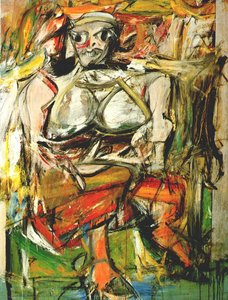
“A Tree in Naples,” created by Willem de Kooning in 1960, is a captivating example of Abstract Expressionism. This piece belongs to a series inspired by landscapes, marking a shift in De Kooning’s artistic focus towards capturing the essence of nature rather than literal representation. De Kooning described his inspiration: "Just coming around roads, some place, and having the sensation of a piece of it, a piece of nature, like a fence, something on the road. And I really get very elated by again looking, by again seeing that the sky is blue, that the grass is green.” This sentiment reveals a deep connection with the natural world and a desire to translate its feeling into visual form.
The painting doesn’t depict a tree in a traditional sense. Instead, De Kooning employs broad, heavy brushstrokes and vibrant colors—blues, reds, whites, blacks, and hints of yellow—to evoke the sensation of landscape. The technique is characteristic of Abstract Expressionism, prioritizing the artist's emotional response and process over precise depiction. Visible strokes and splatters contribute to its expressive nature. De Kooning utilized a palette knife in some areas, creating texture and depth. This approach aligns with the core principles of Abstract Expressionism, where the artist’s emotions and experiences are translated into visual expressions.
“A Tree in Naples” emerged during a pivotal period in art history – the post-World War II era. Abstract Expressionism was gaining prominence as the first major American modern art movement, centered around artists like Jackson Pollock, Elaine de Kooning, Lee Krasner, and Franz Kline—collectively known as the New York School. This movement rejected traditional representational forms, emphasizing spontaneous gesture, subjective emotion, and large-scale canvases. De Kooning’s work reflects this shift away from realism towards a more personal and expressive form of art.
While devoid of recognizable imagery, “A Tree in Naples” evokes a powerful emotional response. The dynamic interplay of color and line creates a sense of movement and vitality, suggesting the energy of nature. The painting isn't about depicting a specific tree; it’s about conveying the *feeling* of being immersed in a landscape—the light, the air, the overall sensory experience. It invites viewers to interpret the work subjectively, finding their own meaning within its abstract forms. The simplification of visual vocabulary and expansive brushstrokes create an immersive experience for the viewer.


1904 - 1997 , Hollanda

Soyut Ekspresyonizmin zirvesi! Pollock, Rothko ve daha fazlasıyla sanat tarihini şekillendiren 10 başyapıtı keşfedin. Sanatçı hikayeleri, renklerin gücü ve evinizi dönüştürecek müze kalitesinde reprodüksiyonlar için Most-Famous-Paintings.com'u ziyaret edin.
Francisco Goya'nın en iyi 25 eserini keşfedin! İspanyol ressamının Romantizm akımındaki başyapıtları, tarihi tabloları ve portrelerinin derin anlamlarını öğrenin. Ev dekorasyonunuz için lüks sanat baskıları Most-Famous-Paintings.com’da.

APS ofrece reproducciones de bellas artes y encargos personalizados desde 2004. Confían en nosotros corporaciones, hoteles y coleccionistas selectos para obras de arte de calidad museística, servicio discreto y soluciones artísticas completas. ¡Póngase en contacto con nosotros para obtener un presupuesto personalizado!

Explore the evolution of Willem de Kooning's iconic Abstract Expressionist paintings. Discover his signature style, key themes & investment potential with expert insights for discerning art collectors.

Explore the profound emotional world of Abstract Expressionism with Most-Famous-Paintings. Discover key artists like Pollock & Rothko, learn about collecting, and find museum-quality reproductions to inspire your space.


En son sanat haberlerinden, özel tekliflerden ve dekorasyon fikirlerinden haberdar olun.
Projenizden bize bahsedin; sanat uzmanlarımız size özel 3 sanat eseri önerisi sunsun.
Size Özel 3 Seçeneği Ücretsiz Olarak Hazırlayalım!


 Önizleme yap
 Paylaş
 Paylaş
 Detayları Gör

 İndir
İndir
 Benzerlerini gör
 X-Işını
 Slayt Gösterisi

 Tümünü Gör







 Cam seçeneği yalnızca 110 cm altındaki boyutlar için mevcuttur.