
Sanatınızı Satın
İstek Listesi Alışveriş Sepeti Cart
Önizleme yapÖnizleme yap AR ile önizleAR ile önizle Baskı satın al Baskı satın alEl yapımı tablo satın al El yapımı tablo satın al PaylaşPaylaş
Detayları GörDetayları Gör Favorilere ekle Favorilere ekle İndirİndir Benzerlerini görBenzerlerini gör X-IşınıX-Işını Slayt GösterisiSlayt Gösterisi

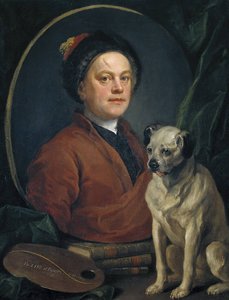
The heir

William Hogarth’s "The Heir" (1735) captures a poignant family scene with a striking figure in a red hat, showcasing the artist's satirical style and detailed observation of 18th-century life. Discover this classic artwork and bring its timeless narrative into your space.

William Hogarth (1697–1764), İngiliz ressam ve baskıcıdır. Özellikle "modern ahlaki konuları" anlatarak çizdiği seri eserleriyle bilinir; bu eserlerde sık sık toplumun kusurlarıyla yüzleşmek isteyen izleyicilere yönelik eleştiriler yer alır. Ayrıca İngiliz edebiyatının önemli yazarlarından Jonathan Swift ve Henry Fielding'in etkisi altında kalan Hogarth, sanatın sadece güzel olmak zorunda olmadığı

Çevrimiçi önizlemeden çok daha üstün, yüksek çözünürlüklü ve iyileştirilmiş bir dijital görüntü satın alın.

Her dosya, uzman ekibimiz tarafından gelişmiş araçlar ve titiz manuel rötuş teknikleri kullanılarak özenle hazırlanır. Her görüntünün olağanüstü netliğe, kusursuz renk doğruluğuna ve ince ayrıntılara sahip olduğundan emin oluruz.

Son dosya; profesyonel, editoryal ve baskı süreçlerinde anında kullanıma uygun şekilde optimize edilerek 72 saat içinde e-posta yoluyla teslim edilir. Bu, seçkin tasarım stüdyoları, yayıncılar ve galerilerin güvendiği aynı kalite standartlarındadır.

Dijital Görsel

Kişisel sergileme, baskı ve yaratıcı projeleriniz için yüksek çözünürlüklü bir dosya indirin. (Baskı satın al Baskı satın alEl yapımı tablo satın al El yapımı tablo satın al)

Toplam Tutar

$ 24,90

Her Dijital Görüntü Siparişinde Dahil Olanlar

Uzman Dijital Teslimat, Garantili

Most-Famous-Paintings.com seçtiğinizde, sadece bir görsel edinmekle kalmaz; titizlikle hazırlanmış, profesyonelce iyileştirilmiş dijital bir sanat eserine sahip olur ve memnuniyet garantisiyle güvence altına alınırsınız. Siparişinizle birlikte otomatik olarak sunulan her şey şunlardır:

shipping_icon
Hızlı E-posta ile Teslimat

Yüksek çözünürlüklü dijital görüntü dosyanız, siparişinizin üzerinden en geç 72 saat geçmeden e-posta ile size gönderilecektir; hemen kullanıma hazırdır.

canvas_icon
Yapay Zeka İle İyileştirilmiş Dijital Dosya

Sanat eseriniz; maksimum detay, netlik ve renk doğruluğu sağlamak amacıyla gelişmiş yapay zeka araçları ve manuel düzenleme kullanılarak profesyonelce optimize edilmektedir.

insurance_icon
Ömür Boyu Ücretsiz Yeniden Gönderim

Dosyanızı yanlışlıkla mı sildiniz yoksa kayıp mı oldu? Endişelenmeyin; dosyanızı dilediğiniz zaman size ücretsiz olarak tekrar göndereceğiz.

tax_icon
Hiçbir Zaman İthalat Ücreti Ödemeyin

Sanat eserinizin tadını gümrük vergisi, harç veya teslimat ücreti ödemeden anında çıkarın; dijital indirmeler her zaman vergiden muaftır.

color_icon
Renk Doğruluğu Garantisi

Profesyonel araçlar ve renk yönetimi kullanarak dijital görselinizin orijinal renklere mümkün olduğunca yakın yansıtılmasını sağlıyoruz.

return_icon
60 Günlük Memnuniyet Garantisi

If you're not satisfied with your digital image, we'll revise it or refund 100% within 60 days - no questions asked.

guarantee_icon
100% Para İadesi Garantisi

Memnun kalmadınız mı? Dijital dosyanızı aldıktan sonraki 60 gün içinde, hiçbir soru sorulmaksızın tam iade alın.

discount_icon
Toplu Sipariş İndirimleri

Buy 3 images, save 10% - Buy 5, save 15% - Buy 10+, save 20%. Great for creative projects, galleries, and agencies.

Hızlı Bilgiler

  • Notable elements: Satirical scene, family
  • Title: The Heir
  • Influences:
    • Moral tales
    • Caricature
  • Medium: Oil on canvas
  • Artistic style: British Genre Painting
  • Year: 1735
  • Location: Private Collection

Koleksiyon Detayları

William Hogarth's "The Heir": A Portrait of Societal Critique

William Hogarth’s “The Heir,” completed in 1735, is more than simply a depiction of a domestic scene; it’s a meticulously crafted social commentary rendered with the precision and moralizing zeal that defined the artist's career. This intimate tableau, measuring 62 x 75 cm, captures a family gathering within their London home, offering a stark glimpse into the burgeoning anxieties surrounding inheritance and social mobility during the Georgian era. The painting’s immediate impact stems from its dramatic composition – a man in a flamboyant red hat dominates the foreground, seemingly issuing instructions or engaging in a critical exchange, immediately drawing the viewer's attention to his position of authority.

  • Subject Matter: The scene portrays a family group engaged in conversation and activity within their home.
  • Composition: Hogarth masterfully employs diagonal lines and contrasting figures to create a dynamic and unsettling effect, emphasizing the potential for discord and ruin.
  • Setting: A richly detailed domestic interior provides context for the narrative, reflecting the aspirations and anxieties of the wealthy merchant class.

A Study in Moral Allegory

Hogarth’s work is renowned for its moralizing intent, and “The Heir” exemplifies this perfectly. The central figure, a young man dressed in fine clothes, represents the heir to a fortune – but his demeanor suggests a lack of responsibility and an inclination towards frivolous pursuits. He is surrounded by figures who seem to be reacting to his actions, hinting at the potential consequences of unchecked ambition and disregard for propriety. This wasn't merely portraiture; it was a carefully constructed moral lesson, reflecting Hogarth’s deep-seated belief in the importance of virtue and industriousness.

The inclusion of details like the dining table laden with books – symbols of knowledge and education – further underscores the painting’s didactic purpose. The windows, providing ample natural light, illuminate not just the scene but also the potential for both enlightenment and corruption.

Technique and Style: Hogarth's Distinct Vision

Hogarth developed a highly distinctive style characterized by its meticulous detail, narrative clarity, and use of sequential scenes to tell stories. “The Heir” showcases his mastery of engraving and painting, utilizing a technique known as ‘grisaille’ – working in monochrome before applying color – to achieve remarkable tonal range and dramatic effect. His attention to the textures of fabrics, the gleam of polished surfaces, and the subtle expressions on the figures' faces creates an incredibly immersive experience for the viewer. This meticulous approach was revolutionary for its time, elevating portraiture beyond mere likeness to a form of visual storytelling.

Symbolism and Emotional Resonance

"The Heir" resonates with profound symbolism, reflecting anxieties about social status, wealth, and the precariousness of fortune. The red hat worn by the central figure is particularly significant, potentially representing vanity or even rebellion against established norms. The overall mood is one of unease and foreboding, suggesting that the heir’s actions will have dire consequences. The painting's enduring appeal lies in its ability to tap into universal themes of ambition, responsibility, and the potential for human fallibility – a timeless exploration of the human condition rendered with Hogarth’s unparalleled skill and moral vision.

Sanatçı Özgeçmişi

William Hogarth (1697 – 1764): A London Life in Ink and Paint

William Hogarth, born into the bustling heart of 18th-century London in 1697, was more than just an artist; he was a visual historian, a keen observer of human nature, and a satirical commentator on the societal currents of his age. His life story is inextricably linked to the very fabric of England during a period of significant transformation – its burgeoning ambitions, underlying anxieties, and pervasive hypocrisies all finding potent expression in his remarkably detailed and often biting works. The son of a struggling Latin schoolmaster, Hogarth’s early experiences instilled within him both a love for learning and a sharp awareness of social inequalities, a foundation that would prove crucial to shaping his artistic vision. Initially apprenticed to an engraver, he quickly demonstrated a talent extending beyond mere technical skill; he possessed an innate ability to observe the nuances of human behavior and translate them into compelling visual narratives. However, he chafed against the constraints of traditional engraving, seeking a more expressive outlet for his burgeoning creativity. This led him to studies at both St Martin’s Lane Academy and under Sir James Thornhill, where he honed his skills in painting and composition, absorbing influences that would later inform his unique style.
  • Early Life and Influences: Hogarth's father, a teacher, faced considerable hardship during his childhood, including imprisonment for debt – an experience that profoundly shaped his worldview and fueled his fascination with the darker side of human existence. He developed a passion for sketching people he encountered on the streets, drawing inspiration from classic painters such as Albrecht Dürer, Pieter Bruegel the Elder, Leonardo Da Vinci, Raphael, Michelangelo, Nicolas Poussin, Jacques Callot, Peter Paul Rubens and his idol, James Thornhill.
  • The Engraving Trade: Hogarth began his artistic career as an engraver’s apprentice, mastering the craft of producing prints from drawings with meticulous precision. His early engravings showcased a remarkable talent for capturing detail and conveying emotion, establishing him as a skilled craftsman and demonstrating his versatility beyond purely decorative pursuits.
  • Painting and Composition: Hogarth's artistic vision extended far beyond engraving; he excelled in painting, developing a distinctive style characterized by realism and narrative complexity. He studied under Sir James Thornhill at St Martin’s Lane Academy, absorbing influences that would contribute to his groundbreaking approach to visual storytelling.
  • “Modern Moral Subjects”: Hogarth revolutionized artistic practice by pioneering what he termed “modern moral subjects”—series of paintings designed to tell a story and deliver a pointed critique of contemporary society. These weren't isolated portraits or landscapes; they were visual novels unfolding before the viewer’s eyes, offering unflinching commentary on social issues and challenging conventional notions of beauty and virtue.

A Harlot’s Progress: A Pioneering Narrative Sequence

Perhaps Hogarth's most celebrated achievement was *A Harlot’s Progress*, a six-part series of paintings that meticulously chronicles the tragic downfall of Mary, a young woman arriving in London full of hope but swiftly succumbing to the temptations and dangers of city life. Each scene is rendered with painstaking detail, filled with symbolic elements that reveal the moral decay surrounding her. The series exemplifies Hogarth’s innovative technique—combining realistic depiction with narrative storytelling—marking him as a forerunner of comic strip-like visual narratives. He skillfully employed cross-hatching to create depth and texture, bringing his scenes to life with remarkable clarity and capturing the psychological complexities of his subjects.

Technique and Style: Mastering Line and Shade

Hogarth’s artistic style was distinguished by a masterful command of line and shade—a hallmark of his engravings and paintings alike. He achieved unparalleled realism through meticulous observation and skillful rendering, capturing the subtleties of human expression with remarkable accuracy. His distinctive cross-hatching technique created depth and texture, transforming flat surfaces into immersive visual experiences. Furthermore, Hogarth’s compositional choices were equally innovative, arranging figures and objects within the frame to generate dynamic narratives that engaged viewers emotionally and intellectually.

Legacy and Influence: Shaping British Art History

William Hogarth's influence on British art history is undeniable. He established a distinctly British artistic identity, rejecting continental Mannerism in favor of realism and moral seriousness. His work profoundly impacted subsequent generations of artists—including James Gillray and George Cruikshank—who embraced his satirical tradition and continued to explore social issues with unflinching honesty. Moreover, Hogarth’s pioneering approach to visual storytelling paved the way for the development of political cartoons and comic strips, securing his place as a pivotal figure in popular culture. He remains revered as one of the “Big Three” of 18th-century cartooning, recognized for his originality, his social critique, and his enduring ability to capture the complexities of human life—a legacy that continues to inspire artists and scholars today.

Concluding Remarks

Ultimately, William Hogarth stands as a testament to the transformative power of observation and artistic innovation. He demonstrated that art could be both entertaining and enlightening, challenging viewers to confront uncomfortable truths about themselves and their society—a conviction that underpinned his entire creative endeavor. His paintings and engravings endure not merely as historical artifacts but as vibrant windows into a bygone era, offering timeless insights into the follies and foibles of humanity.
William Hogarth

William Hogarth

1697 - 1764 , Birleşik Krallık

Kısa Bilgiler

  • Artistic Movement Or Style: Satirizm ve gerçekçilik
  • Artists Who Influenced This Artist:
    • Pieter de Hooch
    • Jonathan Swift
  • Date Of Birth: 1697
  • Full Name: William Hogarth
  • Nationality: İngiliz
  • Notable Artworks:
    • A Harlot's Progress
    • A Rake's Progress
    • Marriage A-la-Mode
  • Place Of Birth: Londra

