x

Sanatçılarımız tarafından sipariş üzerine hazırlanan; istediğiniz boyut ve çerçevede, tuval üzerine el boyaması yağlı boya. ( Baskı satın al Görsel satın al)





























Eserin orijinal oranlarıyla uyumlu, önceden belirlenmiş boyutlarımız arasından seçim yapın.

Belirli bir çerçeveye veya alana uyması için kendi boyutlarınızı girebilirsiniz. Seçtiğiniz boyut orijinal görüntünün oranlarıyla eşleşmiyorsa, sanat eserini kırparak veya ek el boyaması öğelerle resmi uzatarak ayarlayacağız. Üretim başlamadan önce onayınız için dijital bir taslak gönderilecektir.
Lütfen ekrandaki önizlemenin gerçek kırpmayı veya uzatmayı yansıtmadığını unutmayın. Nihai kompozisyonu yalnızca hazırlanan taslak doğru şekilde gösterecektir.
Özel boyutlar mevcut olsa da, orijinal oranları korumak adına önceden tanımlanmış listeden bir boyut seçmenizi öneririz.
Dünya Çapında Teslimat (); standart 5 hafta yerine 3/4 haftada. (18 Ağustos). Kaliteden ödün verilmez.


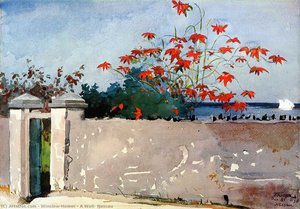
Haymaking
Reproduksiyon Boyutu
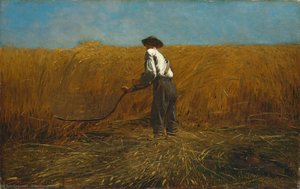
Winslow Homer's "Haymaking," painted in 1864 during the tumultuous years of the American Civil War, is more than just a depiction of agricultural labor; it’s a profound meditation on the rhythms of rural life, the dignity of work, and the quiet beauty found within the commonplace. Housed within the Columbus Museum of Art, this oil-on-canvas masterpiece offers a glimpse into a world both familiar and subtly transformed by the anxieties of a nation at war. Homer, a pivotal figure in American art, masterfully captures not just the visual elements of a hayfield, but also an atmosphere of serene contemplation—a rare and powerful sentiment during a period defined by conflict.
The scene unfolds with remarkable clarity. A solitary man, rendered in meticulous detail, stands amidst a vast expanse of golden wheat, his movements purposeful yet unhurried. He’s not a heroic figure engaged in grand battles, but rather an ordinary farmer, absorbed in the essential task of harvesting hay—a vital contribution to the sustenance of his community. Homer's skill lies in his ability to imbue this simple act with significance. The man’s attire – a worn hat and straw hat – speaks volumes about his life, suggesting resilience and connection to the land. The composition is carefully balanced; the figure occupies a central position, drawing the viewer’s eye while the surrounding trees and sky provide a sense of depth and scale.
Homer’s masterful use of color is integral to the painting’s evocative power. He employs a warm, earthy palette—ochres, yellows, and browns—that evokes the comforting warmth of sunlight filtering through wheat stalks. These hues are juxtaposed with cooler blues and greens in the distant trees, creating a harmonious balance between the foreground activity and the expansive landscape. The light itself is crucial; Homer captures the late afternoon sun, casting long shadows across the field and bathing the scene in a golden glow. This isn’t merely realistic representation; it's an intentional orchestration of color and light designed to create a mood of tranquility and contentment.
Technically, “Haymaking” demonstrates Homer’s evolving style. While influenced by his early work as a commercial illustrator, he moves towards a more painterly approach, utilizing loose brushstrokes and a focus on capturing the texture of the hay and the natural world. The detail is remarkable – you can almost feel the roughness of the straw and hear the rustle of the wheat in the breeze. Homer’s ability to translate observation into paint is truly exceptional.
“Haymaking” was painted during the Civil War, a period of immense social and emotional upheaval. While seemingly a simple rural scene, the painting carries significant symbolic weight. The man’s solitary labor can be interpreted as a metaphor for the resilience and quiet strength of the American people in the face of adversity. It's a reminder that even amidst national turmoil, life continues—and essential tasks must be performed.
Furthermore, Homer’s choice to depict this scene during wartime was deliberate. He sought to offer a counterpoint to the grim realities of battle, presenting an image of normalcy and continuity. The painting subtly suggests that beauty and purpose can still be found in everyday life, even when surrounded by conflict. The work resonates with themes of American identity and the enduring spirit of its people.
A hand-painted reproduction of Winslow Homer’s "Haymaking" offers a remarkable opportunity to bring this iconic artwork into your home or office. Most-Famous-Paintings meticulously recreates the painting's nuanced color palette, textural details, and atmospheric quality using traditional oil painting techniques. The result is a stunningly accurate representation that captures the essence of Homer’s original vision—a testament to his artistic skill and a poignant reminder of the beauty found in the simple rhythms of rural life.
Consider how this evocative image can enhance your interior design, adding a touch of timeless elegance and quiet contemplation. Whether displayed as a statement piece or incorporated into a more subtle setting, “Haymaking” is sure to become a cherished focal point, inviting viewers to pause and appreciate the enduring power of American art.

1836 - 1910 , Amerika Birleşik Devletleri
Winslow Homer'ın en iyi 25 eserini keşfedin! Amerikan sanatının ikonik deniz manzaraları, savaş resimleri ve kırsal yaşam tabloları Most-Famous-Paintings'ta. Sanat tarihi, teknikler ve ilham verici hikayelerle dolu bu koleksiyonu kaçırmayın. Şimdi keşfedin!
Explore 10 defining American Realism masterpieces – Hopper, Homer & more. Discover the stories behind these iconic paintings and bring timeless art to your home with Most-Famous-Paintings's museum-quality reproductions. Explore the full collection online.

Explore the world of Grant Wood & American Regionalism with Most-Famous-Paintings. Discover the symbolism behind 'American Gothic', recurring themes, and the movement's lasting impact on art history. High-quality reproductions available.
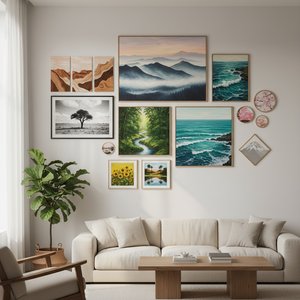
Journey through 10 breathtaking landscape paintings by Monet, Van Gogh & more! Explore iconic artworks, artistic techniques & find inspiration for your home decor. Museum-quality reproductions at Most-Famous-Paintings.com. Discover all masterpieces on Most-Famous-Paintings.com
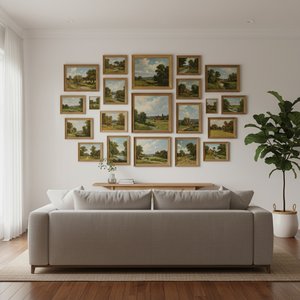
John Constable'ın en iyi 25 eserini keşfedin! İngiliz manzara sanatının büyülü dünyasına dalın, romantizm akımını ve kırsal yaşamı yansıtan tablolarla evinizi zenginleştirin. Sanat reproduksiyonları Most-Famous-Paintings'ta.


En son sanat haberlerinden, özel tekliflerden ve dekorasyon fikirlerinden haberdar olun.
Projenizden bize bahsedin; sanat uzmanlarımız size özel 3 sanat eseri önerisi sunsun.
Size Özel 3 Seçeneği Ücretsiz Olarak Hazırlayalım!


 Önizleme yap
 Paylaş
 Paylaş
 Detayları Gör

 İndir
İndir
 Benzerlerini gör
 X-Işını
 Slayt Gösterisi

 Tümünü Gör







 Cam seçeneği yalnızca 110 cm altındaki boyutlar için mevcuttur.