A Palace of Echoes: Unveiling the Kunsthistorisches Museum’s Enduring Legacy
Stepping through the grand entrance of the Kunsthistorisches Museum in Vienna is akin to stepping back centuries, into a realm where the echoes of imperial grandeur mingle with the brushstrokes of artistic titans. More than simply a repository for masterpieces, this magnificent institution—a true palace of echoes—offers an immersive journey through the very soul of European culture, a testament to the ambition and patronage of the Habsburg dynasty. Founded in 1871 as a public showcase for their unparalleled collections, the KHM has evolved into a vibrant cultural hub, seamlessly blending historical significance with contemporary engagement. The building itself, a breathtaking example of Viennese Baroque architecture designed by Gottfried Semper and Karl Hasenauer, is not merely a beautiful shell; it’s a deliberate embodiment of the dynasty's power and legacy—a declaration in stone that mirrors the treasures held within.
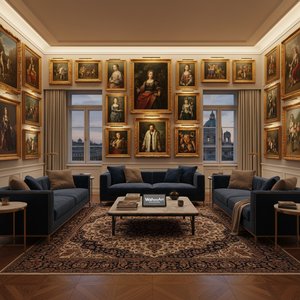
The architectural narrative of the KHM is inseparable from its artistic mission. The symmetrical façade, constructed from imposing sandstone, exudes an immediate sense of classical harmony, while the soaring octagonal dome crowns the structure with regal authority. Inside, a lavishly decorated world unfolds—marble floors gleam under the light of ornate chandeliers, stucco ornamentation dances across walls, and gold leaf shimmers in every corner. But beyond the opulent surface lies a profound intention: to democratize access to imperial treasures, making them available to all citizens of Vienna. This act of cultural generosity was revolutionary for its time, transforming a private collection into a public resource and solidifying the museum’s role as a cornerstone of Viennese identity. The grand staircase, itself a masterpiece adorned with paintings by Klimt and his contemporaries—a tantalizing preview of the artistic riches to come—serves as a powerful introduction to the museum's vast holdings. The sheer scale of the building, combined with its meticulous detailing, immediately establishes a sense of awe and reverence – a fitting prelude to encountering works that have shaped Western art history.
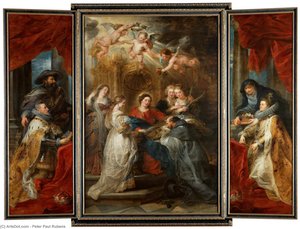
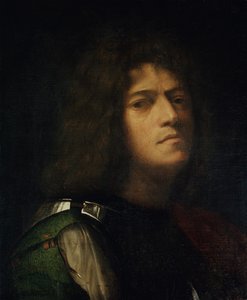
The KHM’s collection is truly extraordinary, encompassing five millennia of artistic achievement across Europe and beyond. Among its most celebrated treasures are the masterpieces of the Renaissance, exemplified by Raphael's serene Madonnas and Rembrandt's psychologically astute portraits—each capturing a moment of human experience with unparalleled sensitivity. The Dutch Masters – Vermeer with his quiet domestic scenes evoking intimacy, Rubens whose dynamic compositions burst with energy and emotion – offer glimpses into the artistic sensibilities of the Golden Age. Furthermore, visitors can marvel at the grandeur of Ancient Egypt, encountering colossal statues embodying divine power and intricately decorated sarcophagi guarding mummified remains—a testament to a civilization obsessed with immortality and ritual.
A dedicated wing explores Vienna’s artistic landscape during the late 19th and early 20th centuries. “Vienna 1890–1930” showcased the bold experimentation and innovative spirit of Viennese Secession art and architecture—a movement that challenged traditional norms and paved the way for modernism. Artists like Gustav Klimt, Egon Schiele, Otto Wagner – whose works reflected a growing sense of disillusionment with established artistic conventions and a desire to explore new forms of expression – are prominently featured. The museum’s commitment to preserving its heritage alongside engaging contemporary exhibitions ensures that it remains a vital cultural institution.
The Kunsthistorisches Museum continues to delight visitors with groundbreaking research and conservation efforts, safeguarding its treasures for future generations. Its team meticulously examines and restores artworks using the latest scientific techniques—a testament to Vienna’s enduring legacy as a center of art and culture.