


x

Написана вручну олією на полотні у вашому розмірі та рамі, виготовлена на замовлення нашими художниками. ( Замовити принт Купити цифрове зображення)





























Обирайте з наших стандартних розмірів, що відповідають оригінальним пропорціям твору мистецтва.

Ви можете вказати власні розміри, щоб репродукція ідеально підійшла до конкретної рами або інтер'єру. Якщо вибраний вами розмір не відповідає пропорціям оригіналу, ми або обріжемо полотно, або доповнимо картину додатковими елементами, промальованими вручну. Цифровий макет буде надіслано вам на затвердження перед початком виробництва.
Зверніть увагу, що попередній перегляд на екрані не відображає фактичне обрізання або розширення зображення. Тільки макет точно покаже остаточну композицію.
Хоча ми можемо виготовити виріб у нестандартному розмірі, для збереження оригінальних пропорцій рекомендуємо обирати варіанти зі встановленого списку.
Доставка по всьому світу () за 3–4 тижні замість стандартних 5 тижнів. (19 Серпень). Без жодних компромісів у якості.


Constant Leopold
Розмір репродукції
Amedeo Clemente Modigliani's “Constant Leopold,” painted in 1919, is not merely a portrait; it’s an exquisitely rendered distillation of melancholy, a visual embodiment of the artist’s own turbulent life and profound sense of longing. This captivating work, now housed within the Museu de Arte in São Paulo, offers a glimpse into the world of Leopold Zborowski, a wealthy Polish art collector who profoundly shaped Modigliani's career and personal existence – a relationship characterized by both intense admiration and heartbreaking dependence.
The painting immediately draws the viewer in with its subject’s direct gaze. Constant Leopold, a man distinguished by his prominent mustache and beard, sits poised before us, his expression a carefully calibrated blend of seriousness and quiet contemplation. His attire – a dark suit and tie – speaks to an era of formality, yet there's an underlying sense of detachment, as if he exists slightly outside the conventional boundaries of social interaction. Modigliani masterfully employs a muted palette of browns, grays, and ochres, creating a somber atmosphere that perfectly complements the subject’s mood. The background, subtly populated with indistinct figures, serves to further isolate Leopold, emphasizing his central importance within the frame.
Modigliani’s artistic signature is instantly recognizable – a style deeply rooted in the expressive distortions and elongated forms that defined his oeuvre. Here, those characteristics are particularly pronounced. The subject’s face is subtly stretched, his features refined to an almost skeletal elegance, echoing the influence of classical sculpture while simultaneously conveying a sense of vulnerability. His eyes, large and almond-shaped, hold a haunting quality, reflecting both intelligence and a deep well of sadness. The artist's technique is characterized by loose, expressive brushstrokes, particularly evident in the rendering of the clothing and background – a deliberate contrast to the meticulously detailed face that anchors the composition.
Notably, Modigliani’s use of color is restrained, prioritizing tonal variations over vibrant hues. This subdued approach contributes significantly to the painting's overall mood of quiet introspection. The subtle gradations of light and shadow create a sense of depth and volume, while simultaneously reinforcing the subject’s isolation. The artist skillfully employs chiaroscuro – the dramatic contrast between light and dark – to draw attention to Leopold’s face and heighten the emotional impact of the portrait.
“Constant Leopold” was created during a pivotal period in Modigliani's life. He had relocated to Paris in 1906, immersing himself within the vibrant artistic circles of Montmartre and seeking patronage from influential figures like Paul Rosenberg and, crucially, Leopold Zborowski. Zborowski, a shrewd art dealer with considerable wealth, became a vital lifeline for Modigliani, providing him with financial support and access to the Parisian art market – though their relationship was fraught with tension and dependency.
The painting itself is believed to be a reflection of this complex dynamic. Zborowski’s presence looms large in Modigliani's life, offering both opportunity and a constant reminder of his own precarious position. The portrait can be interpreted as an attempt by Modigliani to capture the essence of Zborowski – a man of considerable influence yet burdened by a palpable sense of loneliness and regret. The subtle suggestion of sadness in Leopold’s eyes mirrors the artist's own feelings towards his patron, hinting at a mixture of gratitude and resentment.
Beyond its technical brilliance, “Constant Leopold” resonates with profound symbolic weight. The elongated features, characteristic of Modigliani’s style, can be seen as metaphors for the artist's own yearning for beauty and his struggle to reconcile his artistic vision with the realities of a challenging life. The subject’s direct gaze invites contemplation, prompting viewers to consider not only Leopold’s individual story but also the broader themes of isolation, longing, and the elusive nature of human connection.
Ultimately, “Constant Leopold” is a hauntingly beautiful portrait that transcends mere representation. It's a testament to Modigliani’s artistic genius – a poignant exploration of melancholy, mystery, and the enduring power of art to capture the complexities of the human spirit. A hand-painted reproduction offers an unparalleled opportunity to experience this masterpiece firsthand, bringing its evocative atmosphere into your own space.

Модільяні був надзвичайно чутливим до мистецтва минулого та сучасного. Його батько Емануеле Гарсін був викладачем історії та філософії у Ліворно, а мати Еудженія Гарсін була інтелігенткою та культурною діячкою. Ці впливи сформували його інтелектуальні інтереси та любов до мистецтва античності й Відродження – традиції, які він успадкував від батька і продовжував розвивати у власній творчості.
У 1906 році Модільяні переїхав до Парижа, де зустрічався з художниками епохи модерну та богемною культурою. Париж був центром мистецького життя того часу, де відбувалися новаторські експерименти та дискусії щодо майбутнього мистецтва. Модільяні швидко захоплювався творчістю Пабло Пікассо та Хуана Гріса, художників, які були його першими друзями та наставниками і вплинули на його стиль. Він був одним із тих митців, що прагнули відмовитися від традиційних форм і технік у мистецтві й шукали нових шляхів вираження емоцій.
Модільяні почав свою художню кар'єру з малюнка вуличних сцен та портретів. Його ранні роботи були сповнені енергії та динамізму, але вже тоді він почав експериментувати зі стилем і технікою, шукаючи нові способи передати емоції та психологічну глибину. Він був особливо вражений скульптурою Африки – мистецтвом древніх цивілізацій, яке вплинуло на його художню свідомість і спонукало до спрощення форм та акцентування основних елементів композиції.
Найбільш відомими творами Модільяні є портрети жінок із розтягнутими обличчями та шиями, що стали символом його стилю. Його скульптури також мають особливу фігуру – вони характеризуються лаконічністю форм і виразною емоцією. Модільяні був одним із тих художників, які прагнули передати внутрішній світ людини через зовнішню форму, використовуючи мінімальний набір елементів композиції для досягнення максимального ефекту.
Модільяні помер у Парижі від туберкульозу в 1920 році у віці лише 35 років. Його смерть стала трагічною втратою для мистецтва та культури того часу. Він був одним із найталановитіших художників епохи модерну, який створив унікальний стиль і залишився незабутнім образом в історії мистецтва.
Після смерті Модільяні його роботи отримали широке визнання критиків та колекціонерів. Його портрети продовжують захоплювати глядачів своєю красою та емоційним глибиною, а скульптури – своєю лаконічністю та виразністю. Він став одним із найважливіших художників XX століття, який вплинув на творчість багатьох митців і залишився символом романтичної трагедії та пошуку краси у світі хаосу.

1884 - 1920 , Італія

Explore the opulent world of Erté and Art Deco. Discover how Romain de Tirtoff defined an era through geometric elegance, fashion illustration, and theatrical design. A deep dive into the history of 20th-century glamour for art lovers and collectors.
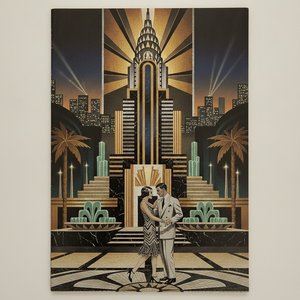
Explore the sophisticated world of Art Deco. Discover the history, geometric precision, and enduring glamour of this iconic 20th-century movement through an expert art-historical lens.

Explore the profound history of Surrealist Expressionism. Discover how artists blended dream logic with raw emotion to navigate post-war trauma through masterful, evocative imagery and psychological depth.


Будьте в курсі останніх новин зі світу мистецтва, ексклюзивних пропозицій та ідей для декорування.
Розкажіть нам про свій проєкт, і наші експерти з мистецтва підготують для вас 3 персоналізовані пропозиції щодо творів мистецтва.
Дозвольте нам підібрати 3 варіанти спеціально для вас — безкоштовно!


 Переглянути в інтер'єрі
 Надіслати як листівку
 Поділитися
 Детальніше

 Завантажити
 Схожі експонати
 Рентгенівське дослідження
 Слайд-шоу
 Читати далі







 Скляний варіант доступний лише для розмірів до 110 см


