x

Придбайте цифрову копію високої роздільної здатності з покращеною якістю, що значно перевершує онлайн-перегляд.
Кожен файл ретельно підготовлений нашими фахівцями за допомогою сучасних інструментів та професійної ручної ретуші. Ми гарантуємо виняткову чіткість, точну передачу кольору та високу деталізацію кожного зображення.
Фінальний файл надсилається електронною поштою протягом 72 годин і оптимізований для негайного використання у професійних виданнях та друкованих матеріалах. Таку якість обирають провідні дизайнерські студії, видавництва та галереї.
Завантажте файл високої роздільної здатності для особистого використання, друку та творчих проєктів. ( Замовити принт Замовити репродукцію ручної роботи)
Обираючи Most-Famous-Paintings.com, ви отримуєте не просто зображення — ви отримуєте професійно вдосконалений цифровий витвір мистецтва, створений з надзвичайною точністю та підкріплений гарантією задоволення. Ось усе, що автоматично додається до вашого замовлення:

Ваш цифровий файл із зображенням високої роздільної здатності буде надісланий вам електронною поштою протягом 72 годин після оформлення замовлення — він буде готовий до негайного використання.

Ваш витвір мистецтва професійно оптимізовано за допомогою передових інструментів штучного інтелекту та ручної корекції, що забезпечує максимальну деталізацію, чіткість і точність передачі кольорів.

Випадково видалили або втратили файл? Не хвилюйтеся — ми надішлемо його вам повторно в будь-який час безкоштовно.

Насолоджуйтесь вашим витвором мистецтва миттєво без жодних мит, зборів або плати за доставку — цифрові завантаження завжди не оподатковуються.

Ми гарантуємо максимально точне відтворення оригінальних кольорів на вашому цифровому зображенні завдяки використанню професійних інструментів та систем управління кольором.

Якщо ви не задоволені придбаним цифровим зображенням, ми відкоригуємо його або повернемо 100% вартості протягом 60 днів — без жодних запитань.

Не задоволені покупкою? Отримайте повне повернення коштів протягом 60 днів після отримання цифрового файлу — без жодних запитань.

Купуйте 3 зображення — заощаджуйте 10% — Купуйте 5 — заощаджуйте 15% — Купуйте 10+ — заощаджуйте 20%. Чудово підходить для творчих проєктів, галерей та агентств.

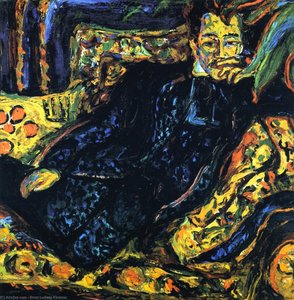
Béla Czóbel (1883-1976) stands as a pivotal figure in the development of 20th-century art, particularly within Hungary. More than simply a painter, he was a key instigator of artistic innovation, bridging the gap between traditional European styles and the burgeoning avant-garde movements of his time. His work, characterized by intense emotion, dramatic lighting, and a haunting atmosphere, reflects both personal turmoil and a profound engagement with the changing social landscape of early 20th-century Europe. Czóbel’s legacy lies not only in his distinctive artistic style but also in his role as a catalyst for artistic experimentation within Hungary, shaping the course of modern Hungarian art.
Born in Budapest to a Jewish-Hungarian family, Béla Czóbel’s early life was marked by an appreciation for the arts fostered by his grandfather, a decorative painter. This familial influence ignited a passion within him, leading him to pursue formal artistic training. He initially studied at the Nagybánya Free School of Painting in Romania (now Baia Mare), under Béla Iványi Grünwald, where he was exposed to the principles of naturalism and the burgeoning Hungarian art scene. This early environment emphasized a direct observation of reality, a foundation that would later be dramatically transformed by his encounters with European avant-garde movements.
A pivotal moment in Czóbel’s artistic development occurred when he traveled to Munich in 1902. There, he immersed himself in the vibrant art world of the German Empire, studying at the Academy of Fine Arts and forging connections with fellow artists like Jules Pascin, Rudolf Lévy, and Walter Bondy. These encounters proved crucial, exposing him to new ideas and techniques – particularly the influence of Fauvism – that would fundamentally alter his artistic approach.
Czóbel’s exposure to Fauvism in Paris during 1905 proved transformative. The bold, non-naturalistic use of color, championed by Matisse and Derain, resonated deeply with his artistic sensibilities. He began incorporating these vibrant hues into his work, moving away from the muted tones of naturalism towards a more expressive and emotionally charged palette. This shift was not merely stylistic; it represented a deliberate rejection of academic conventions and an embrace of subjective experience.
In 1909, Czóbel became a founding member of “The Eight” (Nyolcak), a group of Hungarian artists who sought to break free from the established artistic traditions of Hungary. This collective, comprised of figures like Károly Kernstok and Róbert Berény, aimed to introduce new ideas and styles – including Fauvism, Cubism, and Expressionism – into the Hungarian art world. “The Eight” staged their first exhibition in 1911, marking a significant moment in the history of modern Hungarian art.
Following World War I, Czóbel’s artistic style continued to evolve, incorporating elements of German Expressionism while retaining his distinctive use of color and dramatic lighting. His paintings often depict scenes of urban life, interiors, and portraits, but they are imbued with a sense of unease and psychological intensity. He frequently explored themes of isolation, alienation, and the darker aspects of human experience. His work is characterized by a palpable atmosphere—a feeling of melancholy, mystery, and even dread.
During his time in Paris (1925-1939), Czóbel produced some of his most celebrated works, including *Kislány ágy előtt* (“Little Girl in Front of a Bed”) and *Ülő akt* (“Sitting Nude”). These paintings exemplify his mastery of color, composition, and psychological expression. His later work often featured stark contrasts between light and shadow, creating a dramatic and unsettling effect.
Béla Czóbel’s impact on Hungarian art is undeniable. He played a crucial role in introducing modern European movements – particularly Fauvism and Expressionism – to Hungary, challenging the established artistic norms of the time. His work paved the way for subsequent generations of Hungarian artists, influencing their approach to color, composition, and subject matter. Despite facing challenges during World War II and the subsequent communist era, Czóbel’s legacy endures as a testament to his artistic vision and his contribution to the development of modern art.
He was awarded the Kossuth Prize in 1948, recognizing his significant contributions to Hungarian culture. Today, his works are exhibited in museums throughout Hungary and beyond, ensuring that his unique artistic voice continues to resonate with audiences worldwide.

1883 - 1976 , Hungary


Будьте в курсі останніх новин зі світу мистецтва, ексклюзивних пропозицій та ідей для декорування.
Розкажіть нам про свій проєкт, і наші експерти з мистецтва підготують для вас 3 персоналізовані пропозиції щодо творів мистецтва.
Дозвольте нам підібрати 3 варіанти спеціально для вас — безкоштовно!


 Переглянути в інтер'єрі
 Надіслати як листівку
 Поділитися
 Детальніше

 Завантажити
 Схожі експонати
 Рентгенівське дослідження
 Слайд-шоу
 Читати далі