Стати продавцем
Список бажань Кошик покупок Cart
x
Переглянути в інтер'єріПереглянути в інтер'єрі Перегляд в ARПерегляд в AR Замовити принт Замовити принтЗамовити репродукцію ручної роботи Замовити репродукцію ручної роботи Надіслати як листівкуНадіслати як листівку
ДетальнішеДетальніше Додати до улюблених Додати до улюблених ЗавантажитиЗавантажити Схожі експонатиСхожі експонати Рентгенівське дослідженняРентгенівське дослідження Слайд-шоуСлайд-шоу

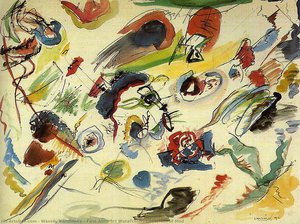
Abstraction Based on Flower Forms, I

Vibrant floral abstractions blend with surreal elements in this 1921 watercolor by Georgian modernist David Kakabadze, offering a unique window into early twentieth-century avant-garde art for your collection.

Українська метаописка: Відомий грузинський модерніст художник та театральний декоратор, який поєднував європейські експерименти з національною культурою Грузії та був одним із піонерів кінематографу.

Придбайте цифрову копію високої роздільної здатності з покращеною якістю, що значно перевершує онлайн-перегляд.

Кожен файл ретельно підготовлений нашими фахівцями за допомогою сучасних інструментів та професійної ручної ретуші. Ми гарантуємо виняткову чіткість, точну передачу кольору та високу деталізацію кожного зображення.

Фінальний файл надсилається електронною поштою протягом 72 годин і оптимізований для негайного використання у професійних виданнях та друкованих матеріалах. Таку якість обирають провідні дизайнерські студії, видавництва та галереї.

Цифрове зображення

Завантажте файл високої роздільної здатності для особистого використання, друку та творчих проєктів. (Замовити принт Замовити принтЗамовити репродукцію ручної роботи Замовити репродукцію ручної роботи)

Підсумкова вартість

$ 24,90

Переваги кожного замовлення цифрових зображень

Експертна цифрова доставка з гарантією якості

Обираючи Most-Famous-Paintings.com, ви отримуєте не просто зображення — ви отримуєте професійно вдосконалений цифровий витвір мистецтва, створений з надзвичайною точністю та підкріплений гарантією задоволення. Ось усе, що автоматично додається до вашого замовлення:

shipping_icon
Швидка доставка на email

Ваш цифровий файл із зображенням високої роздільної здатності буде надісланий вам електронною поштою протягом 72 годин після оформлення замовлення — він буде готовий до негайного використання.

canvas_icon
Цифровий файл із покращенням ШІ

Ваш витвір мистецтва професійно оптимізовано за допомогою передових інструментів штучного інтелекту та ручної корекції, що забезпечує максимальну деталізацію, чіткість і точність передачі кольорів.

insurance_icon
Безкоштовне повторне завантаження назавжди

Випадково видалили або втратили файл? Не хвилюйтеся — ми надішлемо його вам повторно в будь-який час безкоштовно.

tax_icon
Без митних зборів — ніколи

Насолоджуйтесь вашим витвором мистецтва миттєво без жодних мит, зборів або плати за доставку — цифрові завантаження завжди не оподатковуються.

color_icon
Гарантія точності кольорів

Ми гарантуємо максимально точне відтворення оригінальних кольорів на вашому цифровому зображенні завдяки використанню професійних інструментів та систем управління кольором.

return_icon
Гарантія задоволення протягом 60 днів

Якщо ви не задоволені придбаним цифровим зображенням, ми відкоригуємо його або повернемо 100% вартості протягом 60 днів — без жодних запитань.

guarantee_icon
Гарантія повернення 100% коштів

Не задоволені покупкою? Отримайте повне повернення коштів протягом 60 днів після отримання цифрового файлу — без жодних запитань.

discount_icon
Знижки на оптові замовлення

Купуйте 3 зображення — заощаджуйте 10% — Купуйте 5 — заощаджуйте 15% — Купуйте 10+ — заощаджуйте 20%. Чудово підходить для творчих проєктів, галерей та агентств.

Основна інформація

  • Title: Abstraction Based on Flower Forms, I
  • Location: Art Palace of Georgia, Tbilisi
  • Subject or theme: Flower forms and abstract shapes
  • Artistic style: Early 20th-century abstraction
  • Notable elements: Yellow and black shoes, clock
  • Medium: Watercolor on paper

Опис колекційного об'єкта

A Visionary Dance of Form and Color

In the delicate interplay of "Abstraction Based on Flower Forms, I," we encounter a profound moment in the evolution of Georgian Modernism. Created in 1921 by the visionary polymath David Kakabadze, this watercolor on paper serves as a mesmerizing window into an era where the boundaries of reality were being courageously redrawn. The composition unfolds upon a deep, evocative blue background, acting as a nocturnal or celestial stage for a dreamlike arrangement of shapes. While the title suggests a botanical origin, the painting transcends mere representation, inviting the viewer into a surrealist landscape where organic floral motifs collide with unexpected, almost whimsical elements. The presence of scattered yellow and black shapes—reminance of shoes—alongside a subtle clock in the upper corner, creates a delightful tension between the natural world and the artifacts of human existence, challenging our perceptions of time and space.

The technique employed by Kakabadze is nothing short of masterful, utilizing the fluid, translucent nature of watercolor to achieve a sense of ethereal lightness. Each stroke contributes to a layered complexity, where earthy tones and vibrant accents bleed into one another, creating a rhythmic movement across the 23 x 18 cm surface. This piece exemplifies the early 20th-century shift toward abstraction, where the artist’s goal was not to mimic the physical world, but to capture its underlying energy and essence. For the discerning collector or interior designer, this artwork offers a sophisticated focal point; its intricate textures and balanced color palette provide a sense of intellectual depth and quiet contemplation, making it an ideal centerpiece for spaces that value avant-garde history and artistic nuance.

The Legacy of a Georgian Master

To understand the emotional resonance of this work, one must look to the life of David Kakabadze himself. A true pioneer, Kakabadze was a figure who bridged the gap between the traditional roots of his native Georgia and the radical currents of the European avant-garde. His scientific background in natural sciences allowed him to approach art with a unique structural understanding, which is evident in the way he deconstructs floral forms into geometric abstractions. This painting is not merely an aesthetic exercise; it is a testament to a period of intense cultural transformation. The juxtaposition of the ephemeral—the flower—with the mechanical—the clock—speaks to the broader modernist preoccupation with the fleeting nature of life amidst the encroaching industrial age.

Owning a high-quality reproduction of such a significant piece allows one to bring a fragment of art history into the contemporary home. The artwork’s ability to evoke both mystery and tranquility makes it a versatile choice for modern decor, whether placed in a minimalist gallery-style setting or a richly textured study. It serves as a conversation starter, a piece of "living" history that continues to pulse with the creative spirit of 1921. As we gaze upon these abstracted forms, we are reminded of the power of art to reshape our reality, offering a timeless escape into a world where color and shape tell stories far beyond the reach of words.


Біографія митця

A Pioneer of Georgian Modernism: The Life and Art of David Kakabadze

David Kakabadze, born in the village of Kukhi near Khoni, Georgia, in 1889, stands as a pivotal figure in the development of twentieth-century Georgian art. His career was one of remarkable innovation, seamlessly blending the burgeoning currents of European avant-garde movements with a deep reverence for his native Georgian traditions. Kakabadze wasn’t merely an artist; he was a polymath – a painter, graphic artist, scenic designer, art scholar, cinematic innovator, and even an amateur photographer. This multifaceted approach to creativity defined his artistic journey and cemented his legacy as one of Georgia's most important modernist masters. His early life, though rooted in the simplicity of a peasant family, was marked by intellectual curiosity fostered through sponsorship that allowed him to pursue studies at St. Petersburg University, graduating with a degree in natural sciences in 1916. Simultaneously, he honed his artistic skills under Dmitroyev-Kavkazsky and immersed himself in the study of Georgia’s rich artistic heritage. This dual education – scientific rigor combined with artistic sensitivity – would become a hallmark of his work.

Early Influences and Artistic Formation

Kakabadze's formative years instilled within him a profound appreciation for both intellectual inquiry and aesthetic exploration. The patronage he received from local philanthropists enabled him to access the highest levels of academic education, equipping him with the analytical tools necessary to dissect artistic traditions and formulate innovative conceptual frameworks. His studies at St. Petersburg University weren’t simply about acquiring knowledge; they were about engaging in a dialogue with the intellectual currents shaping Europe at the time – movements like Symbolism and Neo-Romanticism that championed emotion and imagination alongside rational thought. Crucially, he recognized the importance of grounding artistic experimentation within a broader understanding of cultural context. This conviction led him to dedicate himself to researching Georgia’s ancient art history, immersing himself in the iconography and stylistic conventions of medieval Georgian frescoes and manuscripts. He meticulously documented these traditions, demonstrating an unwavering commitment to preserving Georgia's cultural heritage while simultaneously seeking inspiration for his own artistic endeavors.

Parisian Encounters: Embracing Cubism and Avant-Garde Innovation

Following a brief period teaching and painting in Tbilisi, Kakabadze embarked on a transformative chapter of his life in Paris from 1919 to 1927. This sojourn placed him squarely at the epicenter of the European avant-garde, exposing him to the revolutionary ideas of Cubism, Futurism, and Constructivism – movements that challenged conventional notions of representation and embraced radical experimentation with form and material. He actively participated in exhibitions organized by Société des Artistes Indépendants, forging connections with fellow Georgian artists Lado Gudiashvili and Shalva Kikodze who shared his passion for exploring new artistic horizons. It was during this period that Kakabadze’s style underwent a dramatic metamorphosis. Initially captivated by the landscapes of Imereti province – his homeland – he began to grapple with “subjectless painting,” striving to transcend mere visual depiction and communicate deeper emotional truths. He experimented with unconventional materials like metal, mirror glass, and stained glass, rejecting traditional pigments in favor of innovative techniques that pushed the boundaries of artistic expression. This bold stylistic shift reflected Kakabadze’s conviction that art should serve as a vehicle for intellectual contemplation and transformative experience.

Cinema and Stage Design: Expanding Artistic Boundaries

Kakabadze's inventive spirit extended far beyond painting, demonstrating his remarkable versatility as an artist and innovator. Recognizing the potential of emerging technologies – specifically cinema – he became fascinated by the possibilities offered by moving images to convey narrative and emotion in ways that traditional painting couldn’t achieve. He designed and constructed a stereoscopic film projector for which he secured international patents, pioneering a technique that created the illusion of three-dimensionality without requiring special glasses. This ambitious project wasn't merely a technological feat; it was an artistic endeavor driven by Kakabadze’s desire to reimagine theatrical performance and explore new dimensions of visual storytelling. Furthermore, he collaborated extensively with Kote Marjanishvili, Georgia’s leading theatre director, crafting stunning set designs for Marjanishvili’s productions that incorporated innovative elements like projections and sculptural forms—a testament to his ability to synthesize artistic vision with technical expertise.

Legacy and Recognition

David Kakabadze died in 1952, leaving behind a body of work that was largely overlooked during his lifetime but has since garnered increasing recognition as one of Georgia’s most important modernist masters. His pioneering contributions to cinema, his unwavering commitment to artistic experimentation, and his profound engagement with Georgian cultural heritage continue to inspire artists today. His paintings—particularly those depicting Imereti landscapes—remain treasured examples of Georgian art history, embodying the spirit of innovation and intellectual curiosity that characterized Kakabadze’s extraordinary life. Today, his works are housed in prominent museums across Europe and America, ensuring that his legacy endures as a beacon of artistic brilliance and a symbol of Georgia's contribution to the global avant-garde movement.
Давід Какабадзе

Давід Какабадзе

1889 - 1952 , Грузія

Основна інформація

  • Artistic Movement Or Style: Авангардизм, Кубізм
  • Artists Or Movements Influenced By This Artist: ['Багато художників']
  • Date Of Birth: 20 серпня 1889 р.
  • Date Of Death: 10 травня 1952 р.
  • Full Name: David Kakabadze
  • Nationality: Грузинський
  • Notable Artworks:
    • Якось
    • Бретань
    • Ескіз отримання різних рівнів світла в ламповій розетці
  • Place Of Birth: Кутаїсі, Грузія