


x

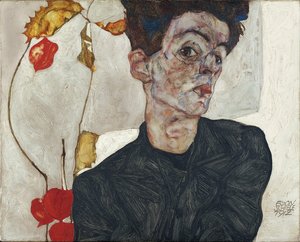
 Олія на полотніНастінне мистецтвоArt Nouveau
 1913
1913 80.0 x 89.0 cm
Придбайте цифрову копію високої роздільної здатності з покращеною якістю, що значно перевершує онлайн-перегляд.
Кожен файл ретельно підготовлений нашими фахівцями за допомогою сучасних інструментів та професійної ручної ретуші. Ми гарантуємо виняткову чіткість, точну передачу кольору та високу деталізацію кожного зображення.
Фінальний файл надсилається електронною поштою протягом 72 годин і оптимізований для негайного використання у професійних виданнях та друкованих матеріалах. Таку якість обирають провідні дизайнерські студії, видавництва та галереї.
Завантажте файл високої роздільної здатності для особистого використання, друку та творчих проєктів. ( Замовити принт Замовити репродукцію ручної роботи)
Обираючи Most-Famous-Paintings.com, ви отримуєте не просто зображення — ви отримуєте професійно вдосконалений цифровий витвір мистецтва, створений з надзвичайною точністю та підкріплений гарантією задоволення. Ось усе, що автоматично додається до вашого замовлення:

Ваш цифровий файл із зображенням високої роздільної здатності буде надісланий вам електронною поштою протягом 72 годин після оформлення замовлення — він буде готовий до негайного використання.

Ваш витвір мистецтва професійно оптимізовано за допомогою передових інструментів штучного інтелекту та ручної корекції, що забезпечує максимальну деталізацію, чіткість і точність передачі кольорів.

Випадково видалили або втратили файл? Не хвилюйтеся — ми надішлемо його вам повторно в будь-який час безкоштовно.

Насолоджуйтесь вашим витвором мистецтва миттєво без жодних мит, зборів або плати за доставку — цифрові завантаження завжди не оподатковуються.

Ми гарантуємо максимально точне відтворення оригінальних кольорів на вашому цифровому зображенні завдяки використанню професійних інструментів та систем управління кольором.

Якщо ви не задоволені придбаним цифровим зображенням, ми відкоригуємо його або повернемо 100% вартості протягом 60 днів — без жодних запитань.

Не задоволені покупкою? Отримайте повне повернення коштів протягом 60 днів після отримання цифрового файлу — без жодних запитань.

Купуйте 3 зображення — заощаджуйте 10% — Купуйте 5 — заощаджуйте 15% — Купуйте 10+ — заощаджуйте 20%. Чудово підходить для творчих проєктів, галерей та агентств.
Egon Schiele's "Sawmill," painted in 1913, isn’t merely a depiction of a rustic building; it’s a raw, intensely personal glimpse into the anxieties and beauty of early 20th-century Austria. Created during a period of profound upheaval – both personally for Schiele and politically across Europe – the painting vibrates with an unsettling energy that belies its seemingly simple subject matter. The scene unfolds within a landscape dominated by muted browns and greens, punctuated by the stark geometry of the sawmill itself. This structure, rendered in warm, earthy tones, becomes a focal point, simultaneously representing industry and a brutal confrontation with mortality. Schiele’s masterful use of texture, achieved through thick, impasto brushstrokes, imbues the canvas with a palpable sense of movement – you can almost hear the rhythmic groan of the machinery and feel the dampness of the surrounding hillside.
“Sawmill” firmly resides within the realm of Art Nouveau, though it transcends mere stylistic adherence. While embracing the movement’s emphasis on sinuous lines and organic forms – evident in the undulating curves of the hillside and the suggestion of human figures within the building – Schiele injects a distinctly unsettling quality. Unlike the often-idealized representations of nature found in some Art Nouveau works, Schiele's landscape is imbued with a sense of vulnerability and decay. The muted palette and the stark contrast between light and shadow contribute to this feeling, hinting at an underlying melancholy. The painting’s composition feels deliberately unbalanced, mirroring perhaps the artist’s own internal struggles.
Beyond its formal elements, “Sawmill” is rich with symbolic weight. The sawmill itself has become a potent symbol of labor, industry, and ultimately, mortality. It represents the relentless cycle of production and destruction, mirroring Schiele’s preoccupation with death – a theme that permeated much of his oeuvre following the loss of his father. The small building adjacent to the main structure could be interpreted as a refuge, a place of rest or perhaps even a tomb, further reinforcing the painting's somber mood. The placement of these structures within the vast landscape emphasizes humanity’s smallness and vulnerability in the face of nature’s power.
Understanding Egon Schiele requires acknowledging the profound impact of his personal life. Born in Vienna in 1890, Schiele's early years were marked by illness and loss – a tragedy that profoundly shaped his artistic vision. His father’s death from syphilis at the age of fourteen cast a long shadow over his psyche, fueling an obsession with themes of mortality, fragility, and the human condition. This emotional intensity is powerfully conveyed in “Sawmill,” where every brushstroke seems to carry the weight of unspoken grief. His unique style, characterized by elongated figures, distorted perspectives, and a raw, expressive quality, continues to captivate viewers today. The painting stands as a testament to his ability to transform personal pain into enduring artistic expression.
For those seeking to experience the power of Schiele’s vision firsthand, Most-Famous-Paintings.com offers meticulously crafted oil painting reproductions of “Sawmill.” These handmade reproductions capture not only the visual details but also the emotional depth and textural richness of the original, allowing you to bring this poignant work into your own space.

1890 - 1918 , Австрія


Будьте в курсі останніх новин зі світу мистецтва, ексклюзивних пропозицій та ідей для декорування.
Розкажіть нам про свій проєкт, і наші експерти з мистецтва підготують для вас 3 персоналізовані пропозиції щодо творів мистецтва.
Дозвольте нам підібрати 3 варіанти спеціально для вас — безкоштовно!


 Переглянути в інтер'єрі
 Надіслати як листівку
 Поділитися
 Детальніше

 Завантажити
 Схожі експонати
 Рентгенівське дослідження
 Слайд-шоу
 Читати далі


