


x

 Acrylic On CanvasWallArtExpressionism
 1916
1916 34.0 x 27.0 cm
Придбайте цифрову копію високої роздільної здатності з покращеною якістю, що значно перевершує онлайн-перегляд.
Кожен файл ретельно підготовлений нашими фахівцями за допомогою сучасних інструментів та професійної ручної ретуші. Ми гарантуємо виняткову чіткість, точну передачу кольору та високу деталізацію кожного зображення.
Фінальний файл надсилається електронною поштою протягом 72 годин і оптимізований для негайного використання у професійних виданнях та друкованих матеріалах. Таку якість обирають провідні дизайнерські студії, видавництва та галереї.
Завантажте файл високої роздільної здатності для особистого використання, друку та творчих проєктів. ( Замовити принт Замовити репродукцію ручної роботи)
Обираючи Most-Famous-Paintings.com, ви отримуєте не просто зображення — ви отримуєте професійно вдосконалений цифровий витвір мистецтва, створений з надзвичайною точністю та підкріплений гарантією задоволення. Ось усе, що автоматично додається до вашого замовлення:

Ваш цифровий файл із зображенням високої роздільної здатності буде надісланий вам електронною поштою протягом 72 годин після оформлення замовлення — він буде готовий до негайного використання.

Ваш витвір мистецтва професійно оптимізовано за допомогою передових інструментів штучного інтелекту та ручної корекції, що забезпечує максимальну деталізацію, чіткість і точність передачі кольорів.

Випадково видалили або втратили файл? Не хвилюйтеся — ми надішлемо його вам повторно в будь-який час безкоштовно.

Насолоджуйтесь вашим витвором мистецтва миттєво без жодних мит, зборів або плати за доставку — цифрові завантаження завжди не оподатковуються.

Ми гарантуємо максимально точне відтворення оригінальних кольорів на вашому цифровому зображенні завдяки використанню професійних інструментів та систем управління кольором.

Якщо ви не задоволені придбаним цифровим зображенням, ми відкоригуємо його або повернемо 100% вартості протягом 60 днів — без жодних запитань.

Не задоволені покупкою? Отримайте повне повернення коштів протягом 60 днів після отримання цифрового файлу — без жодних запитань.

Купуйте 3 зображення — заощаджуйте 10% — Купуйте 5 — заощаджуйте 15% — Купуйте 10+ — заощаджуйте 20%. Чудово підходить для творчих проєктів, галерей та агентств.
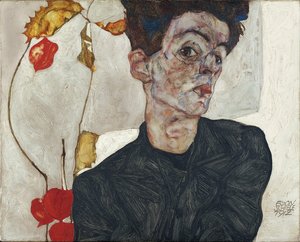
Egon Schiele’s “Sitting Child,” created in 1916, isn't merely a depiction of a young boy playing with a toy; it’s a profoundly unsettling and intensely personal portrait. Rendered in stark black and white pencil on paper, the drawing immediately draws the viewer into a world of quiet observation and subtle unease. Measuring just 34 x 27 cm, its intimate scale amplifies the feeling of being privy to a private moment, as if we’ve stumbled upon an artist's fleeting study. The simplicity of the composition – a child seated on the ground, absorbed in their play – belies the complex emotions simmering beneath the surface. This isn’t a sentimental portrayal of childhood; instead, it’s a glimpse into Schiele’s uniquely perceptive and often melancholic vision of humanity.
The drawing's style is undeniably rooted in Expressionism, a movement characterized by its focus on subjective emotion and distorted forms. Schiele’s lines are not clean or precise; they writhe and twist with an almost palpable energy, conveying a sense of restlessness and vulnerability. Notice how the child’s body isn’t rendered with anatomical accuracy – rather, it's suggested through fragmented lines, creating a feeling of instability and fragility. This deliberate distortion mirrors Schiele’s broader exploration of mortality and psychological distress, themes that frequently permeate his work. The use of monochrome further intensifies this effect, stripping away any potential distractions and forcing the viewer to confront the raw emotion at the heart of the image.
To understand “Sitting Child,” it’s crucial to consider the historical context in which it was created. 1916 was a turbulent year, marked by the escalating horrors of World War I and a pervasive sense of anxiety within Europe. Schiele himself was grappling with personal tragedy – his father's death from syphilis just four years prior had left an indelible mark on his psyche. This experience fueled a lifelong preoccupation with themes of illness, decay, and the fleeting nature of life. The drawing can be interpreted as a meditation on these anxieties, subtly projected onto the innocent figure of the child.
Schiele’s artistic influences are equally important to consider. He was deeply impacted by the work of Vincent van Gogh, particularly his expressive use of line and color. However, Schiele pushed beyond mere imitation, developing a highly individual style characterized by its angularity, distortion, and psychological depth. The drawing also reveals echoes of earlier Renaissance depictions of the Madonna and Child, but Schiele subverts this traditional iconography by imbuing the scene with an unsettling ambiguity. The child’s gaze is averted, suggesting introspection or perhaps even a hint of sadness – a stark contrast to the idealized serenity often associated with images of motherhood.
The teddy bear clutched in the child's hand is more than just a simple toy; it’s a potent symbol. In Schiele’s work, objects frequently carry layered meanings, representing desires, fears, or unresolved traumas. The teddy bear, often associated with comfort and security, here seems to offer little solace. Its presence alongside the child’s somewhat melancholic expression suggests a yearning for something lost or unattainable. The very act of sitting alone on the ground could symbolize isolation or vulnerability – a poignant reflection of the artist's own feelings of alienation.
Ultimately, “Sitting Child” is a deeply ambiguous and emotionally resonant work. It’s not a cheerful depiction of childhood innocence; rather, it’s a haunting meditation on mortality, anxiety, and the complexities of human experience. Schiele masterfully captures a fleeting moment in time, inviting us to contemplate the hidden depths beneath the surface of seemingly ordinary subjects. The drawing's power lies in its ability to evoke a sense of unease and introspection, leaving the viewer with more questions than answers – a testament to Schiele’s genius as an artist and his profound understanding of the human psyche.

1890 - 1918 , Австрія


Будьте в курсі останніх новин зі світу мистецтва, ексклюзивних пропозицій та ідей для декорування.
Розкажіть нам про свій проєкт, і наші експерти з мистецтва підготують для вас 3 персоналізовані пропозиції щодо творів мистецтва.
Дозвольте нам підібрати 3 варіанти спеціально для вас — безкоштовно!


 Переглянути в інтер'єрі
 Надіслати як листівку
 Поділитися
 Детальніше

 Завантажити
 Схожі експонати
 Рентгенівське дослідження
 Слайд-шоу
 Читати далі


