x

Написана вручну олією на полотні у вашому розмірі та рамі, виготовлена на замовлення нашими художниками. ( Перейти до друку Перейти до зображення)





























Обирайте з наших стандартних розмірів, що відповідають оригінальним пропорціям твору мистецтва.

Ви можете вказати власні розміри, щоб репродукція ідеально підійшла до конкретної рами або інтер'єру. Якщо вибраний вами розмір не відповідає пропорціям оригіналу, ми або обріжемо полотно, або доповнимо картину додатковими елементами, промальованими вручну. Цифровий макет буде надіслано вам на затвердження перед початком виробництва.
Зверніть увагу, що попередній перегляд на екрані не відображає фактичне обрізання або розширення зображення. Тільки макет точно покаже остаточну композицію.
Хоча ми можемо виготовити виріб у нестандартному розмірі, для збереження оригінальних пропорцій рекомендуємо обирати варіанти зі встановленого списку.
Доставка по всьому світу () за 3–4 тижні замість стандартних 5 тижнів. (12 Серпень). Без жодних компромісів у якості.


Sunflower I
Розмір репродукції
Egon Schiele's "Sunflower I," painted in 1908, isn’t merely a still life; it’s a raw, intensely personal exploration of life and death rendered with the unsettling beauty characteristic of Expressionism. This intimate portrayal of a sunflower, housed within the Niedersächsisches Landesmuseum Hannover, offers a glimpse into the artist's troubled psyche and his profound engagement with the natural world—a world he perceived not as idyllic, but as simultaneously alluring and fraught with peril. The painting’s immediate impact is one of startling vibrancy; the yellows of the petals practically vibrate against the cool blues of the sky, creating a visual tension that mirrors the emotional complexities at play.
Schiele's life was tragically shaped by loss from an early age. Born in 1890 in Tulln an der Donau, Austria—a town steeped in history and a breeding ground for artistic talent—his father’s death due to syphilis at the tender age of fourteen cast a long and devastating shadow. This event, coupled with the premature passing of his sister Elvira, fueled within Schiele a preoccupation with mortality, illness, and the ephemeral nature of existence – themes that permeate much of his oeuvre. “Sunflower I” can be interpreted as a poignant meditation on these anxieties; the sunflower’s inherent symbolism—representing longevity, adoration, and warmth—is juxtaposed against the artist's own awareness of life’s fleeting beauty. The painting feels almost like a desperate attempt to capture and hold onto something precious before it vanishes.
Technically, “Sunflower I” demonstrates Schiele's masterful command of oil on panel. The thick, impasto brushstrokes are not simply decorative; they actively contribute to the painting’s emotional intensity. The artist deliberately avoids smooth transitions, favoring instead a textured surface that conveys movement and energy. This style owes a clear debt to the Fauvist movement, which championed bold colors and an energetic approach to paint application – a rebellion against academic tradition. Notice how Schiele uses color not to represent reality faithfully, but to evoke feeling; the intense yellows are heightened, almost luminous, while the blues of the sky possess a cool, melancholic quality. The layering of pigment creates a palpable sense of depth and volume, drawing the viewer into the intimate space of the composition.
Beyond its technical merits, “Sunflower I” is rich with symbolic meaning. The sunflower itself, as previously mentioned, represents adoration and longevity, but within Schiele’s context, it takes on a more nuanced significance. The surrounding green leaves, rendered with a delicate precision, suggest the vitality of nature, yet they are subtly overshadowed by the dominant presence of the flower. Scattered smaller flowers add to this sense of natural abundance, creating a harmonious composition that belies the underlying currents of anxiety. The blue sky serves as a backdrop—a vast expanse that emphasizes the vulnerability and isolation of the sunflower within its frame. Schiele’s ability to imbue an everyday subject with such profound psychological weight is what elevates “Sunflower I” beyond a simple botanical study; it becomes a powerful statement about the human condition.
A hand-painted reproduction of "Sunflower I" offers a remarkable opportunity to experience Schiele's vision firsthand. The meticulous detail and vibrant colors faithfully capture the intensity of the original, bringing this poignant work into any space with an undeniable emotional resonance. Consider it not just as decoration, but as a window into the soul of one of Expressionism’s most compelling figures.

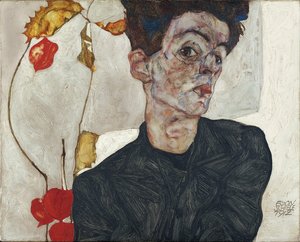
1890 - 1918 , Австрія

Explore the profound history and technical brilliance of oil on panel painting. From Renaissance masters to modern techniques, discover why this rigid support offers unparalleled precision and permanence for fine art lovers and collectors.


Будьте в курсі останніх новин зі світу мистецтва, ексклюзивних пропозицій та ідей для декорування.
Розкажіть нам про свій проєкт, і наші експерти з мистецтва підготують для вас 3 персоналізовані пропозиції щодо творів мистецтва.
Дозвольте нам підібрати 3 варіанти спеціально для вас — безкоштовно!


 Переглянути в інтер'єрі
 Надіслати
 Поділитися
 Деталі

 Завантажити
 Схожі експонати
 Рентгенівське дослідження
 Слайд-шоу


 Читати далі







 Скляний варіант доступний лише для розмірів до 110 см